[Abdominoplasty] Belly Button Floating Abdominoplasty3-Month Recovery & Scar Progress
Hello, this is Dr. Kukhan Lee
from Lesarts Plastic Surgery.
As the seasons change
and clothing becomes lighter,
many people suddenly become more aware
of body contours
they normally do not notice as much.
In particular, the abdomen is an area
where visible changes can be difficult,
even with consistent exercise
and ongoing weight management.
Because of this,
it remains one of the most common concerns
among both male and female patients.
Today, through the surgical case
of a patient who visited us
due to postpartum abdominal skin laxity
and a protruding abdominal contour,
we will take a closer look
at the recovery progress following
belly button floating abdominoplasty.
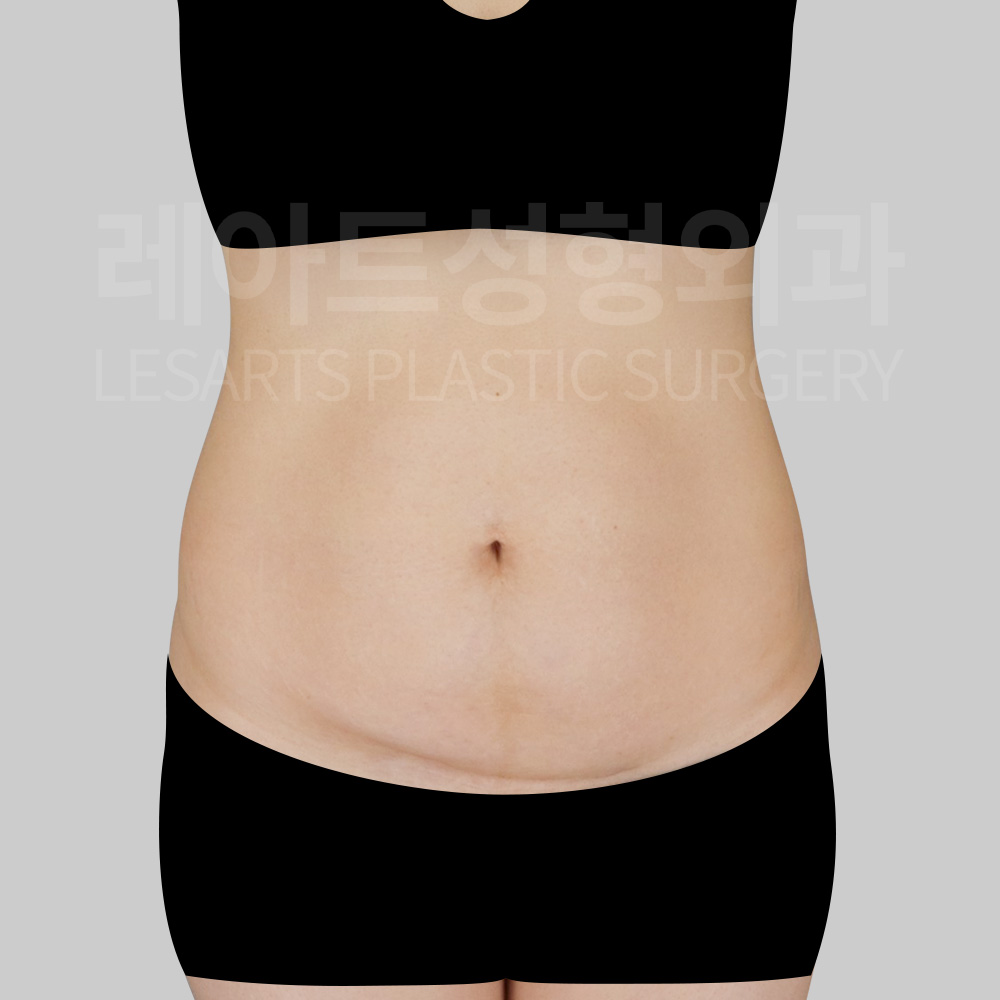
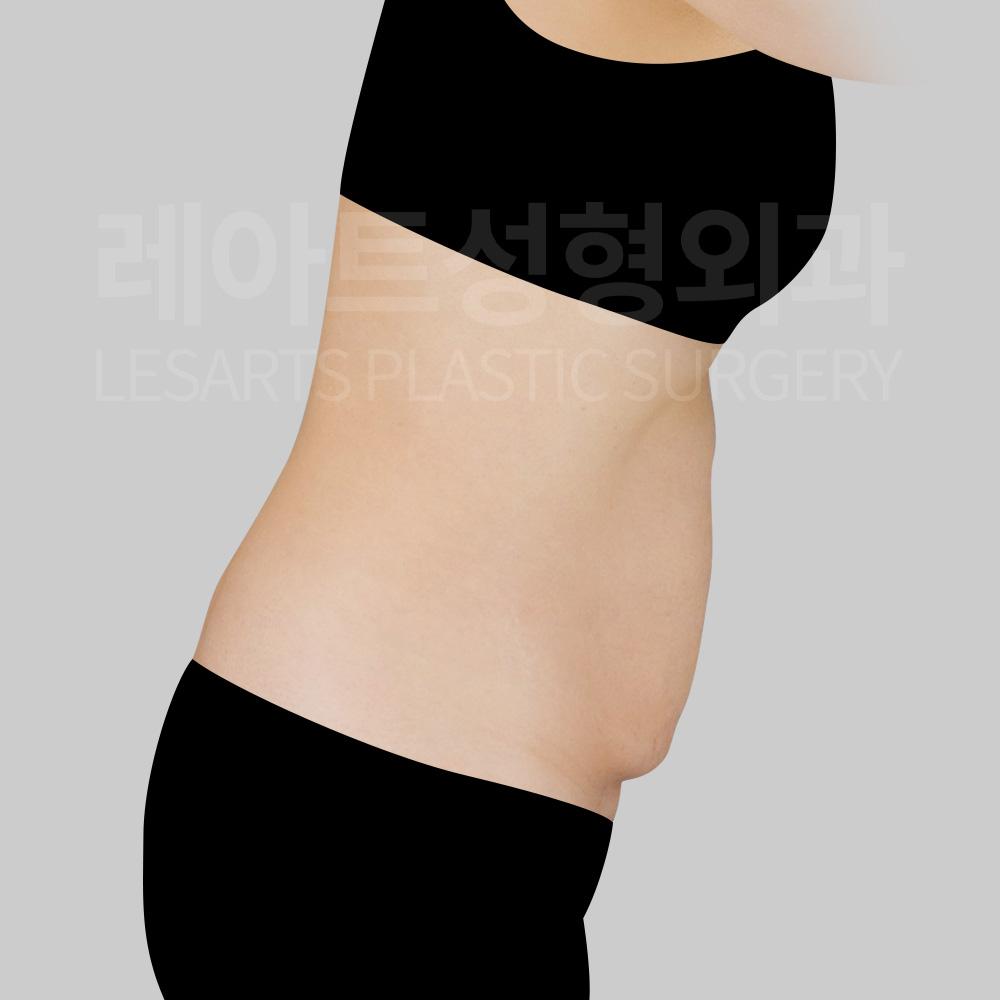
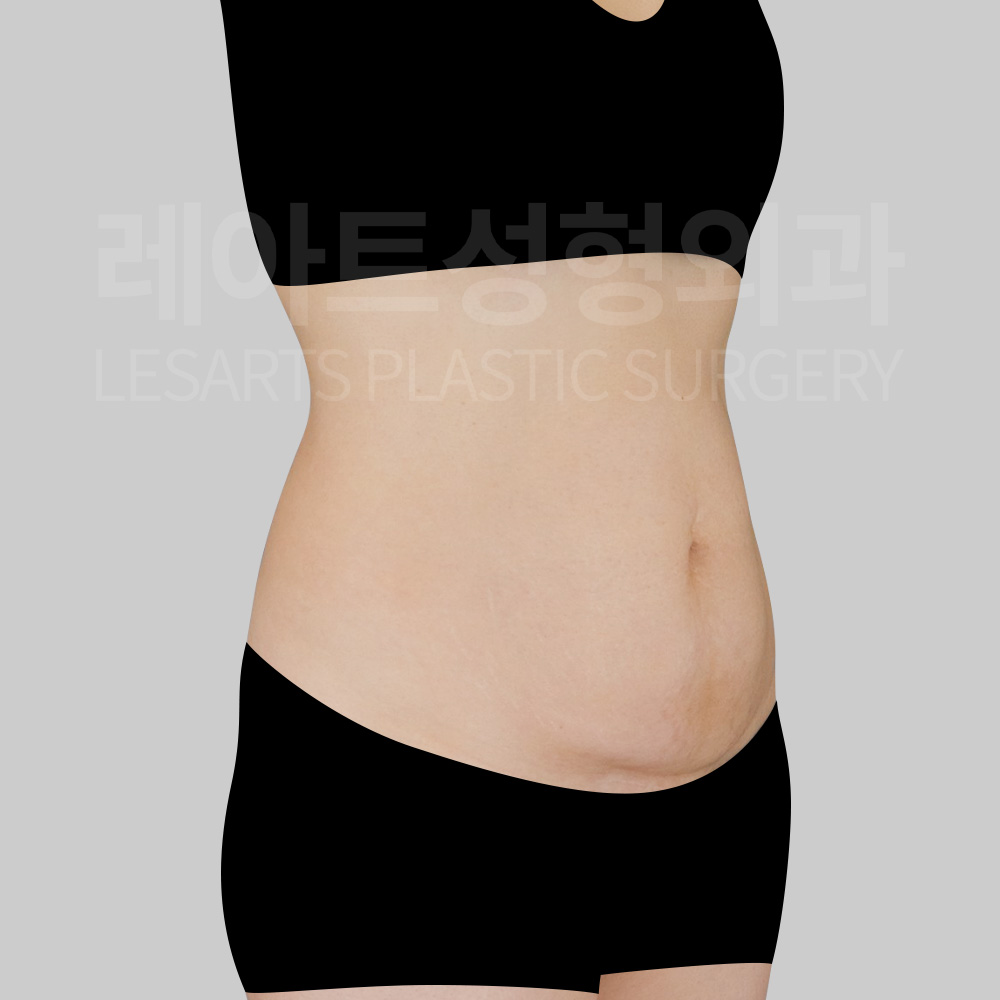
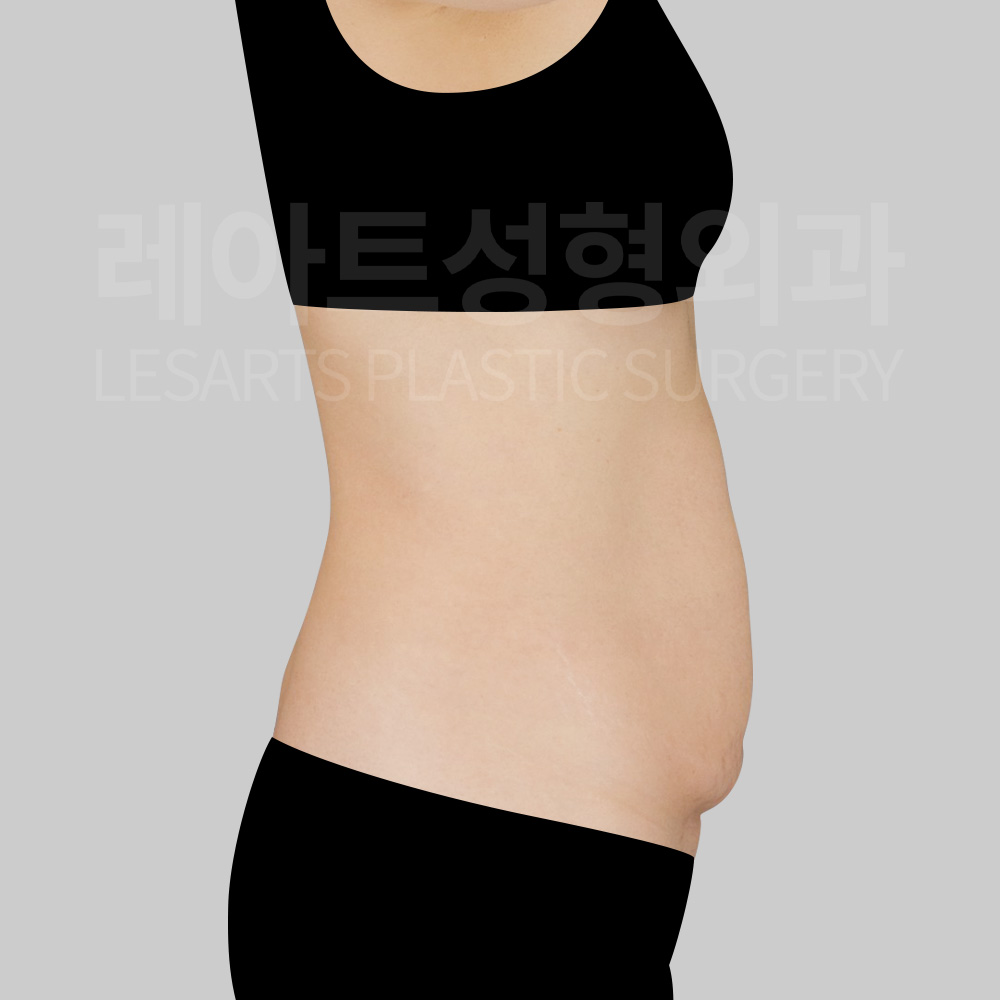
Pre-operative physical examination for abdominoplasty surgery
This patient was a woman
in her early 40s
who had delivered two children
through cesarean section.
She visited the clinic
with a height of 160 cm
and a weight of 56 kg.
During pregnancy,
she experienced significant abdominal expansion
and had previously delivered
a relatively large baby
weighing approximately 4 kg.
After childbirth,
she consistently attempted
weight control and exercise,
but the protrusion of the abdomen
did not noticeably improve.
In particular,
the bulging of the lower abdomen
had become her greatest concern
and source of stress.
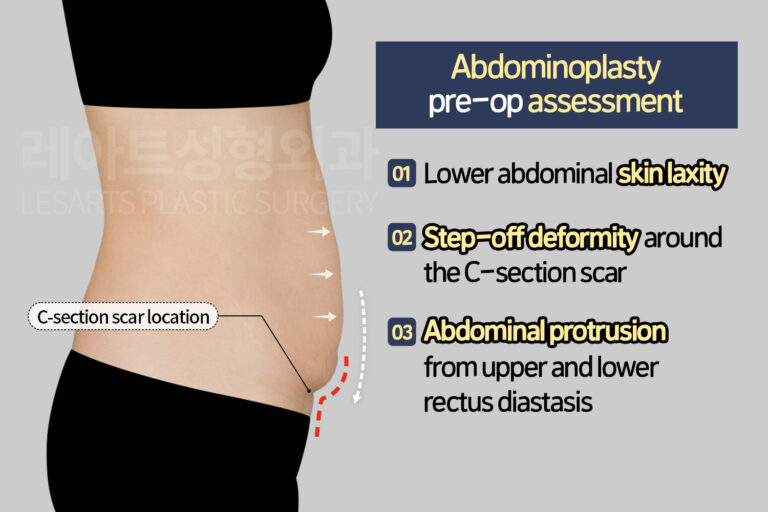
Pre-operative diagnosis before belly button floating abdominoplasty
During the physical examination,
there was not a significant amount
of skin laxity in the upper abdomen.
However, in the lower abdomen,
excess skin was overlapping
above the previous cesarean scar,
creating a visible step-off deformity.
Stretch marks caused by pregnancy
were observed throughout the abdomen,
and overall skin elasticity
was also noticeably reduced.
In addition, rectus diastasis
was relatively pronounced
in both the upper and lower abdomen.
Because of this,
the overall abdominal contour
appeared rounded and protruded outward.
After comprehensively evaluating
these physical findings,
the following points were considered:
The degree of upper abdominal skin laxity
was not severe
• The patient herself also reported
minimal discomfort regarding
the upper abdominal area
• Rectus diastasis correction was necessary
in both the upper and lower abdomen
• Because there was limited excess skin
in the upper abdomen,
performing a full M-type abdominoplasty
could have resulted
in additional upper abdominal scarring
Based on these factors,
we planned an S-type abdominoplasty
using the belly button floating technique,
combined with abdominal liposuction.
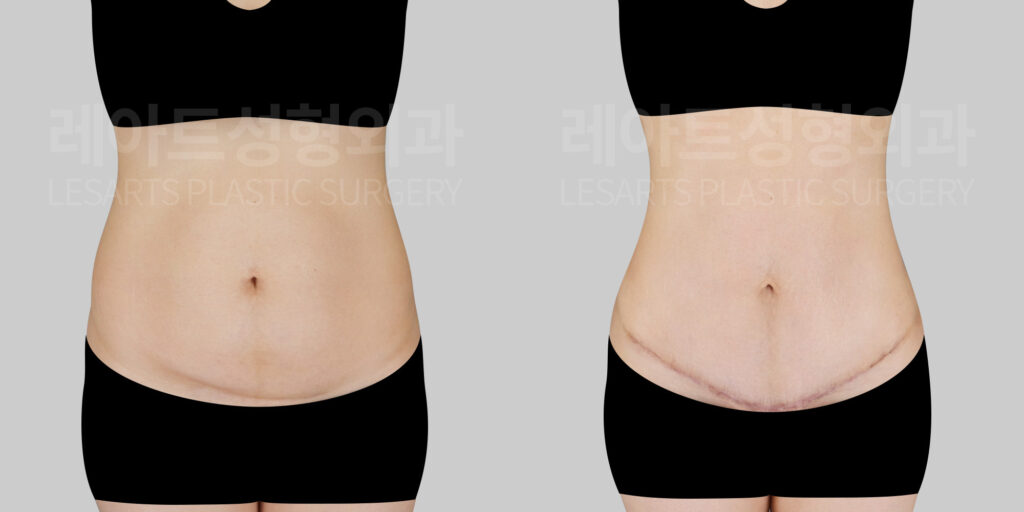
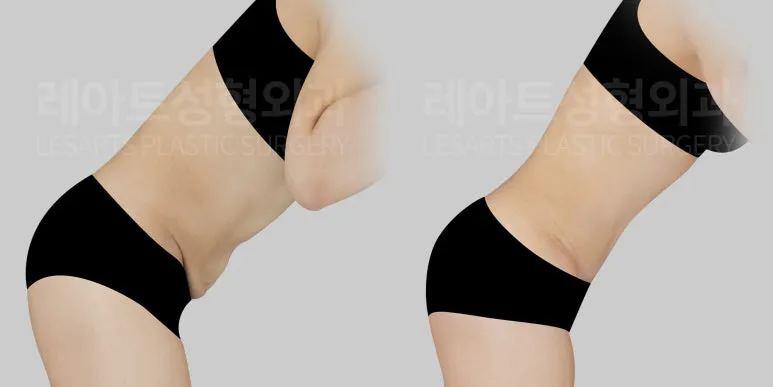
3-Month Recovery After Lesarts Belly Button Floating Abdominoplasty — Dr. Kukhan Lee
This is the patient’s condition
at 3 months after surgery
following belly button floating abdominoplasty.
Compared to the original surgical plan,
the incision length became slightly longer.
However, this is something
naturally determined by
the extent and severity
of the abdominal skin laxity.
When a wider excision range is required
to achieve sufficient correction
of sagging skin,
the length of the horizontal scar
may increase proportionally
by approximately 1:3 to 1:4.
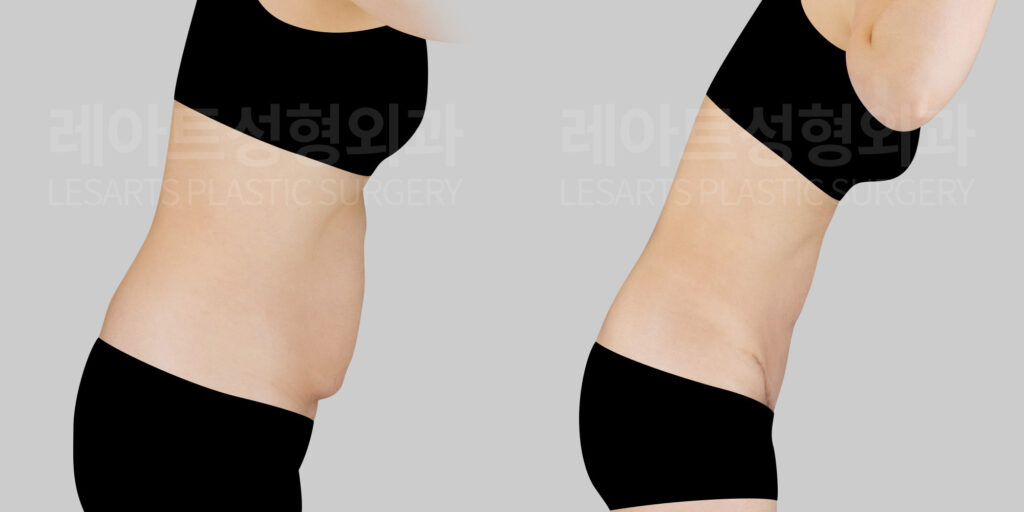
Correcting upper abdominal rectus diastasis through mini abdominoplasty — Dr. Kukhan Lee
In this patient’s case,
the degree of lower abdominal skin laxity
was relatively significant.
In addition,
the sagging extended outward
toward the flank area as well.
If the incision length
had been reduced excessively,
there would have been
a higher possibility of residual deformities,
such as dog ears.
For this reason,
after providing sufficient explanation
before surgery,
we decided to proceed
with prioritizing the correction
of the overall abdominal contour,
even if it meant
the scar length would become
slightly longer.
1 year 2 months after abdominoplasty – Dr. Kukhan Lee, Lesarts Plastic Surgery
At this stage,
significant improvements
can be observed.
The scar
still shows
mild pigmentation,
but overall color
has noticeably
faded.
With more time,
further stabilization
is expected.
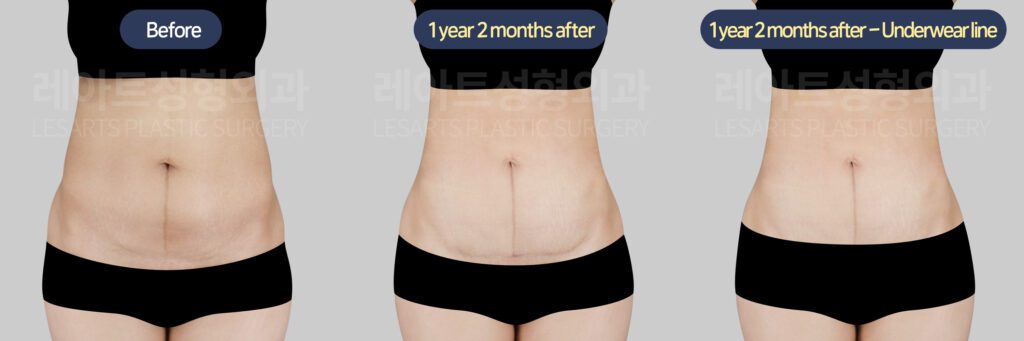
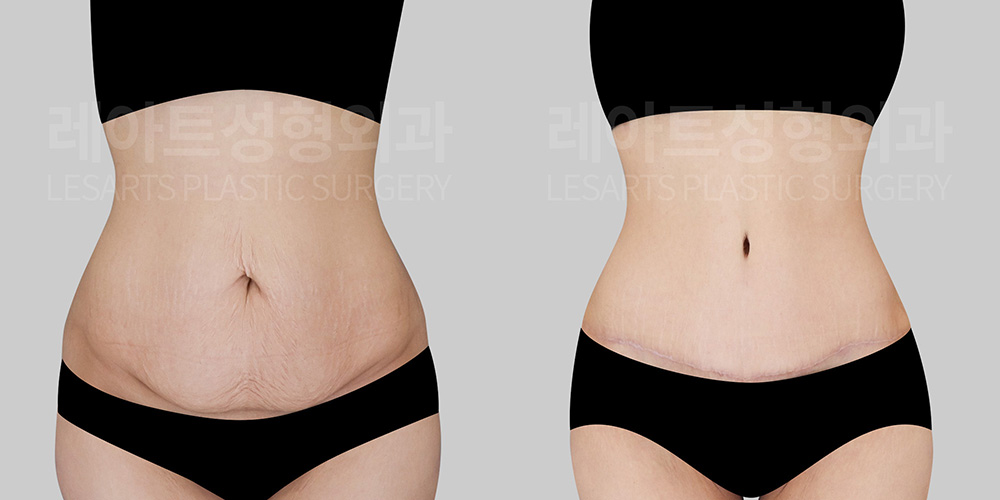
Abdominoplasty scar location — Lesarts Plastic Surgery
After the abdominoplasty surgery,
the patient’s previous cesarean scar
was completely removed.
The new abdominoplasty scar
was positioned low enough
to be adequately concealed
by underwear or swimwear.
In many cases,
these scars gradually become lighter
toward the outer sides,
and over time,
they tend to become
less noticeable overall.
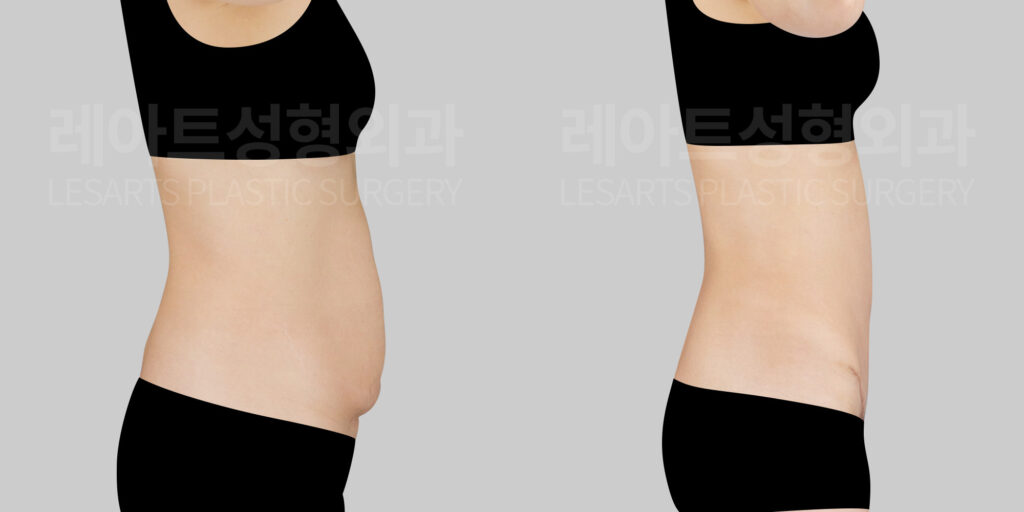
Improvement of cesarean scar step-off deformity through abdominoplasty — Dr. Kukhan Lee
The overall shape of the abdomen
was improved to appear flatter
through correction of
the rectus diastasis.
In particular,
the previously protruding lower abdomen
showed a more stable
and refined contour after surgery.
The position of the belly button
was adjusted slightly downward.
Because the lower abdomen
was pulled more extensively
during the correction process,
the shape of the belly button
may appear somewhat different
compared to before surgery.
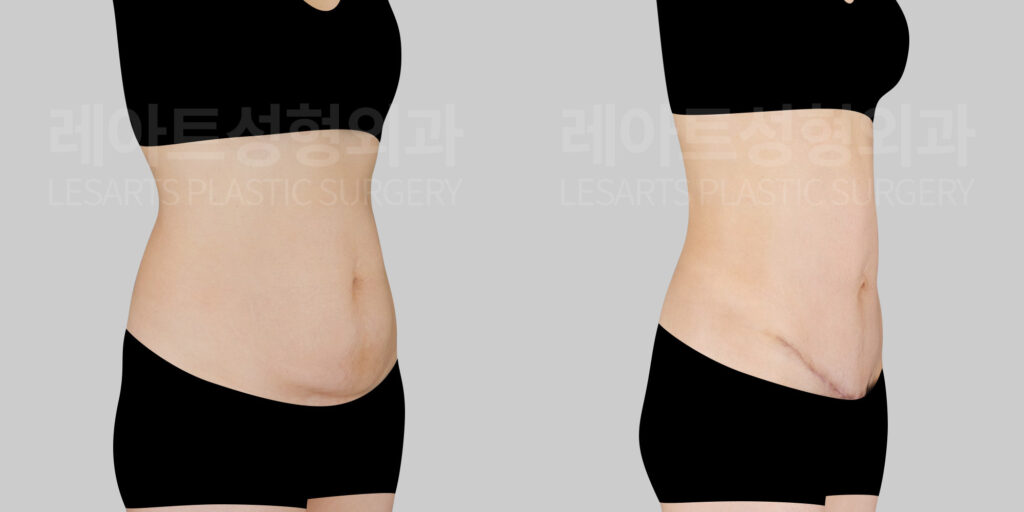
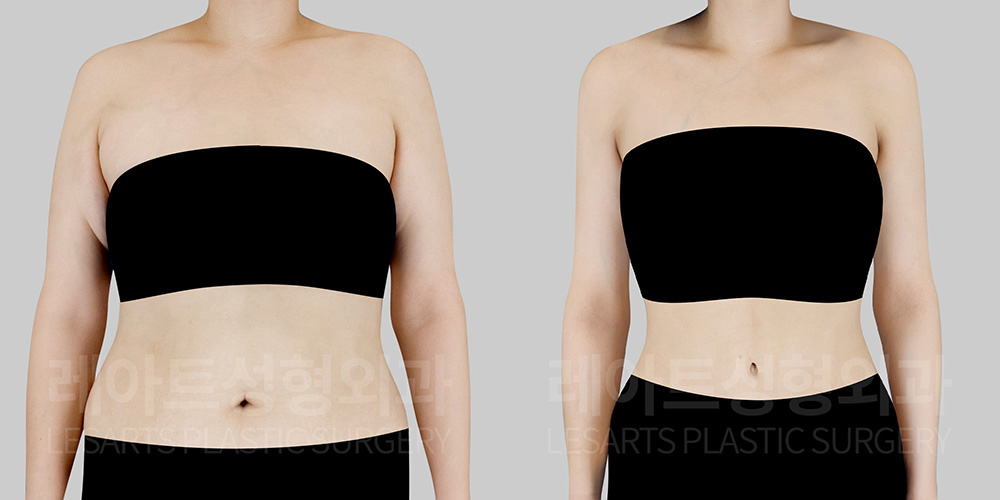
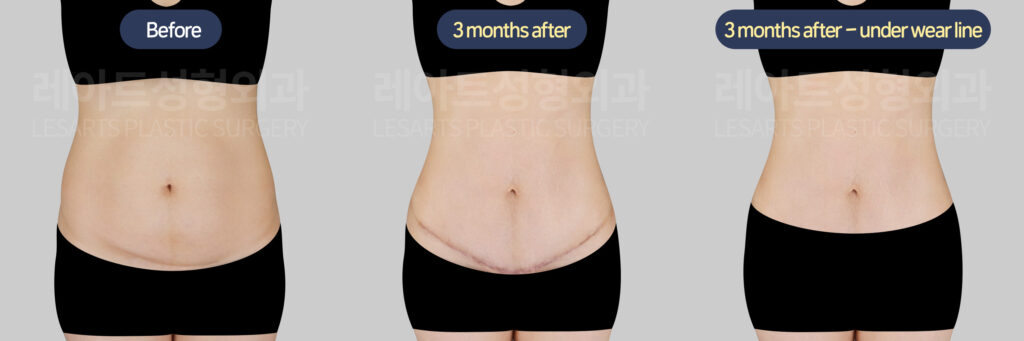
Recovery progress at 3 months
after abdominoplasty — Dr. Kukhan Lee at Lesarts
As the tissue surrounding the belly button
was also refined during surgery,
the abdomen overall appears
firmer and more toned.
In this patient’s case,
combining abdominoplasty
with liposuction
helped improve not only the abdomen,
but also the overall balance
of the body line,
including the flank area.
Although the body may appear
visually stable by 3 months after surgery,
internally,
patients may still experience
tightness or firmness,
which can sometimes feel uncomfortable.
At this stage,
abdominoplasty scars also tend
to appear the most noticeable.
However, as time passes,
these discomforts gradually improve,
and the scars also begin
to fade naturally over time.
Consistent scar management
and post-operative care
such as radiofrequency treatments
may help support
the recovery process.
In abdominoplasty surgery,
the procedure itself is important,
but post-operative weight control
and consistent exercise
also play a major role
in maintaining the results.
To preserve the refined abdominal contour
created through surgery,
ongoing lifestyle management
is equally important.
If you are struggling
with abdominal sagging
or contour changes
that are difficult to improve
through exercise and self-care alone,
receiving an accurate evaluation
based on your current condition
may be helpful.