[Abdominoplasty]Uneven Upper Body Contours Caused by Skin Laxity: 3 Months After Abdominoplasty
Hello, I am Dr. Kukhan Lee
from Lesarts Plastic Surgery.
As temperatures continue to rise,
the season of lighter clothing
is quickly approaching.
With summer drawing nearer,
more patients are visiting us
for consultations regarding
their abdominal contour concerns.
In particular,
many women find that
even after returning
to their pre-pregnancy weight,
they continue to struggle with
lower abdominal protrusion
or loose, sagging skin.
These concerns can become
even more noticeable
when wearing tight activewear
or lightweight clothing,
often affecting overall confidence
in their body shape.
Today,
I would like to share
the 3-month postoperative results
of a patient who underwent
an M-type abdominoplasty
to address these concerns.
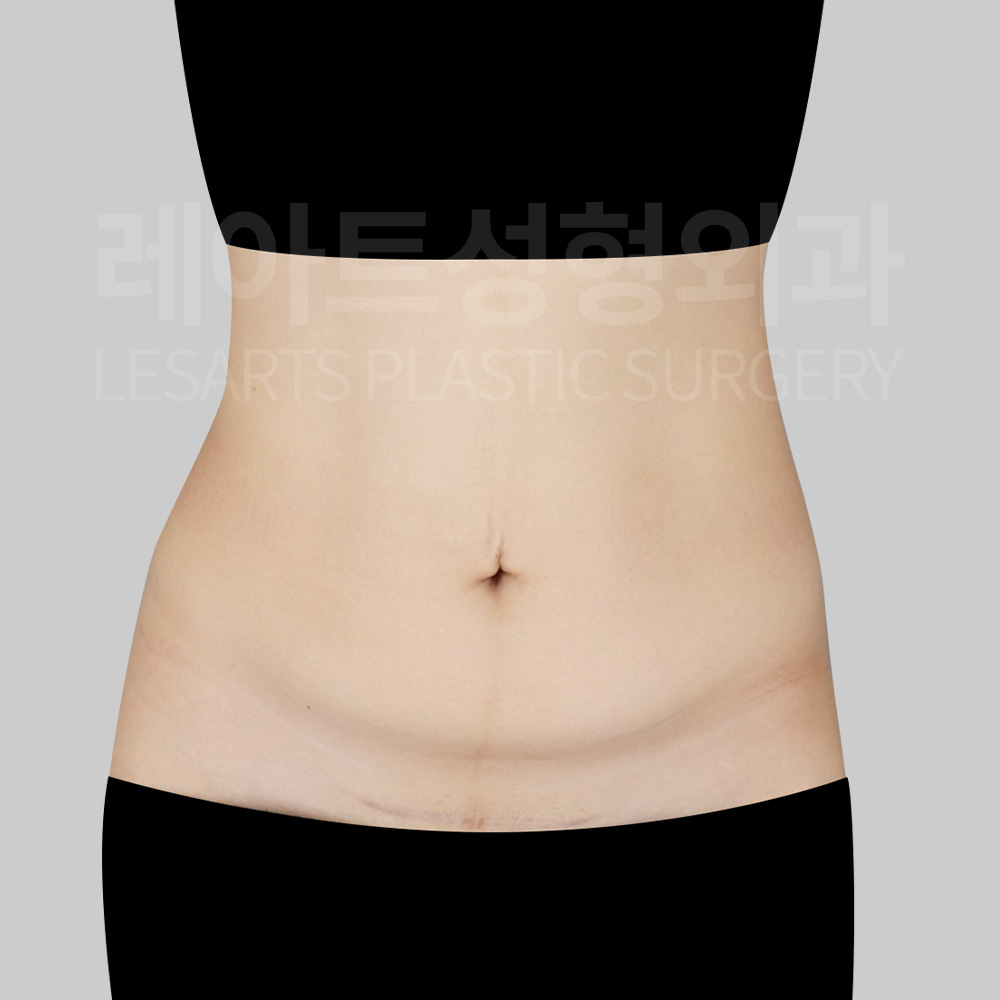

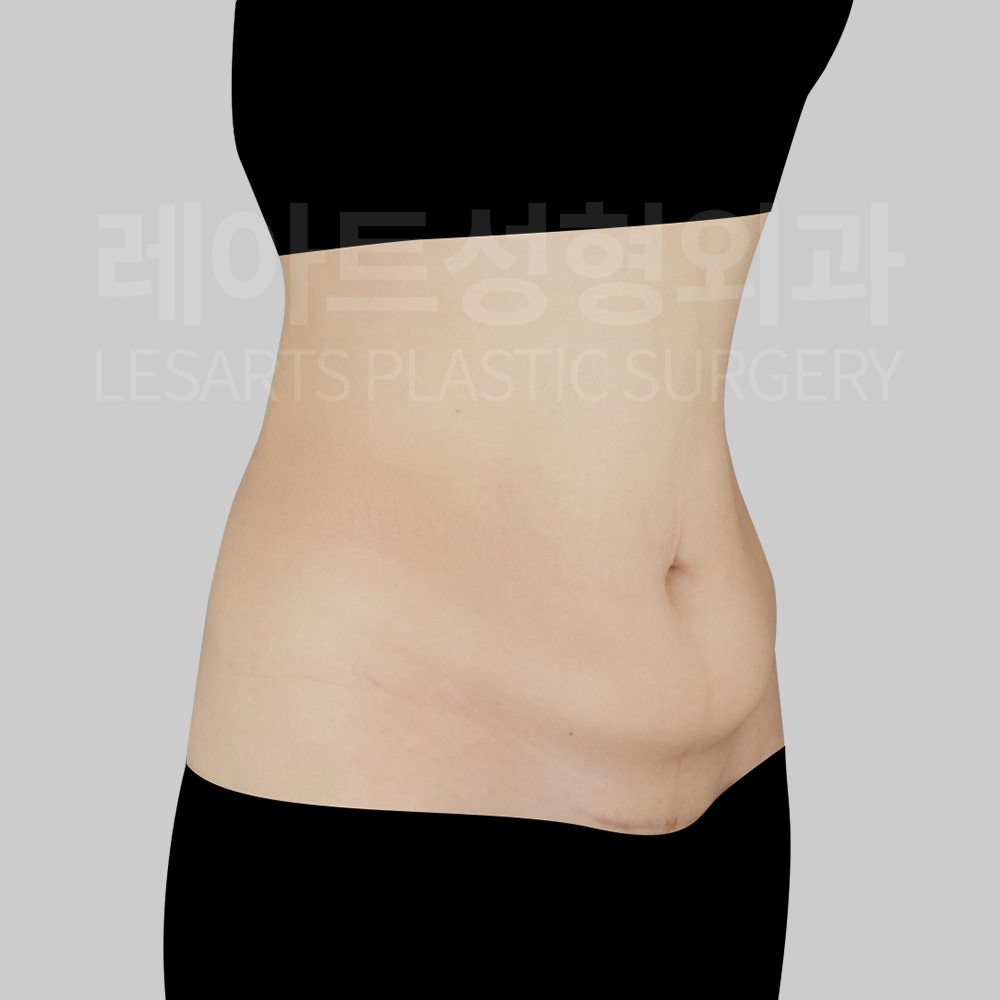
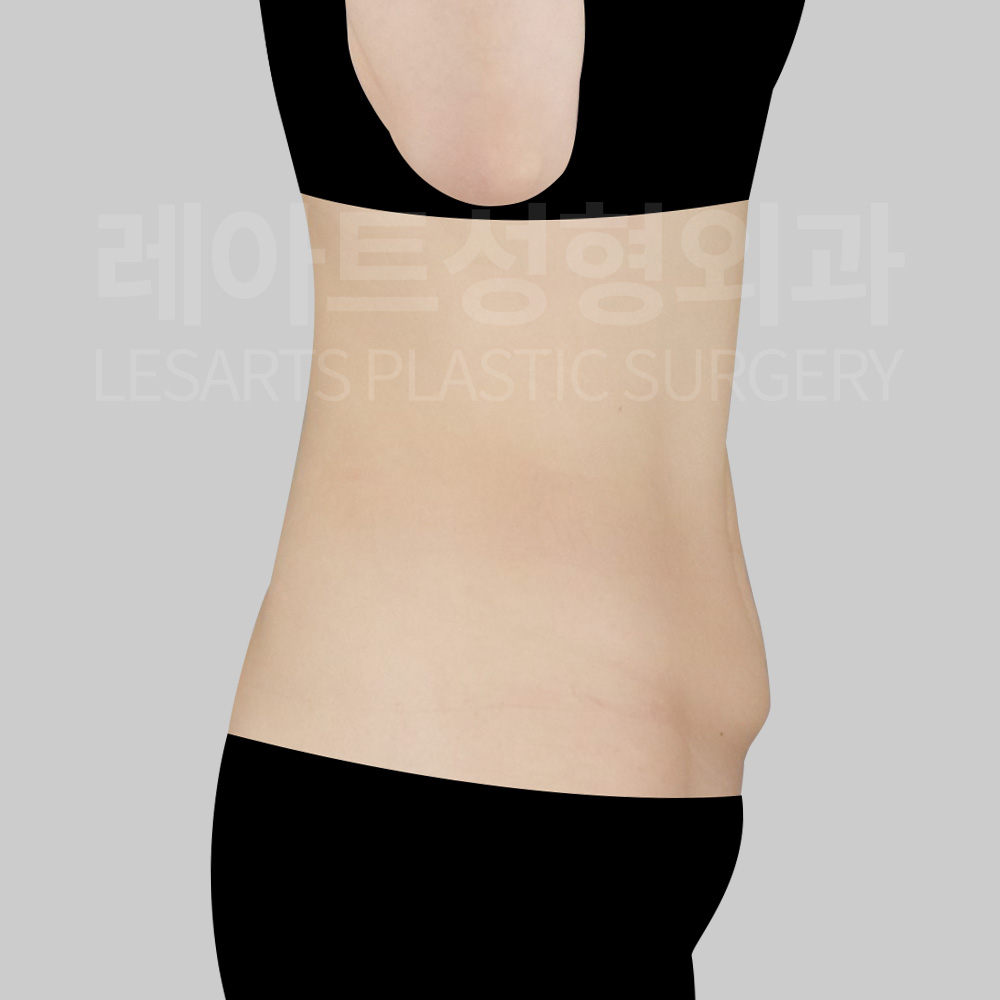
Preoperative Condition Before Abdominoplasty
This patient was a woman
in her 30s
who delivered both of her children
via Cesarean section.
At the time of consultation,
she was 161 cm tall
and weighed 46 kg.
Overall,
she had maintained
an excellent physique
through consistent self-care.
However,
during pregnancy,
her weight had increased
to nearly 70 kg.
Following childbirth,
she successfully returned
to her current weight
through regular exercise
and dietary management.
Despite these efforts,
the persistent lower abdominal bulge
remained her greatest concern.
She also wished to improve
the upper abdominal skin folds
that developed after pregnancy,
as well as the overall changes
in her body contour.
On physical examination,
she did not have
a large amount of
overall subcutaneous fat.
However,
fat accumulation remained concentrated
in the lower abdomen,
and these localized deposits
created irregularities
along the side profile,
resulting in a body contour
that appeared less smooth
and balanced.

Abdominoplasty Consultation – Dr. Kukhan Lee, Lesarts Plastic Surgery
The skin laxity
was most noticeable
in the lower abdomen.
However,
looseness was also present
in the upper abdomen
and the skin above
the navel.
As a result of these changes,
the navel position
appeared relatively lower
than ideal.
When the navel appears
to sit lower,
the upper body can seem longer,
while the legs may appear
proportionally shorter.
For this reason,
correction was necessary
not only for the abdomen,
but also to improve
overall body proportions.
In addition,
rectus diastasis
was identified
in both the upper
and lower abdomen,
and correction of this condition
was included in the surgical plan.
Although the patient’s
primary concern
was the protrusion
of the lower abdomen,
we felt that correcting
only one specific area
could limit overall satisfaction
with the final result.
Therefore,
to improve the entire
abdominal silhouette,
address skin laxity,
and repair the
rectus diastasis,
we planned to perform
an M-type full abdominoplasty
combined with
abdominal liposuction.

Vertical Navel Reshaping Combined with Abdominoplasty – Dr. Kukhan Lee, Lesarts Plastic Surgery
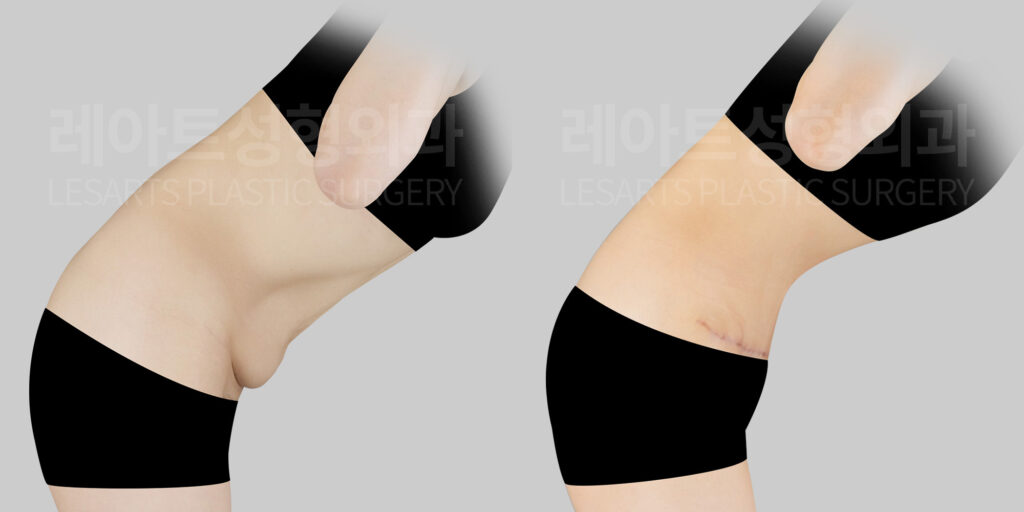
Improvement of Skin Folds and Laxity After Abdominoplasty – Dr. Kukhan Lee, Lesarts Plastic Surgery
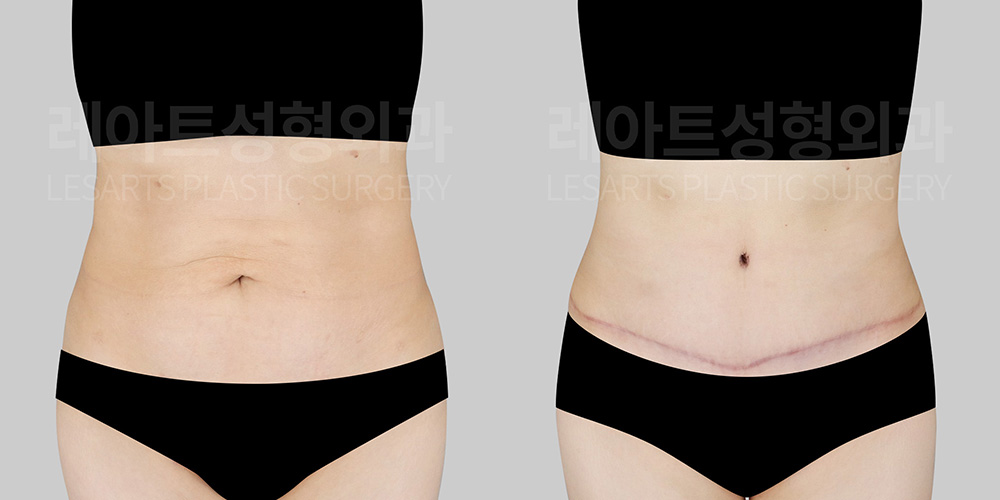
This patient is now
3 months after abdominoplasty.
At this stage,
the overall body contour
shows noticeable improvement,
with a smoother
and more refined appearance.
The addition of
liposuction
helped further enhance
the body line,
allowing the transition
between the waist and abdomen
to appear more balanced
and naturally contoured.
Compared with before surgery,
the silhouette appears cleaner,
with improved definition
throughout the midsection.
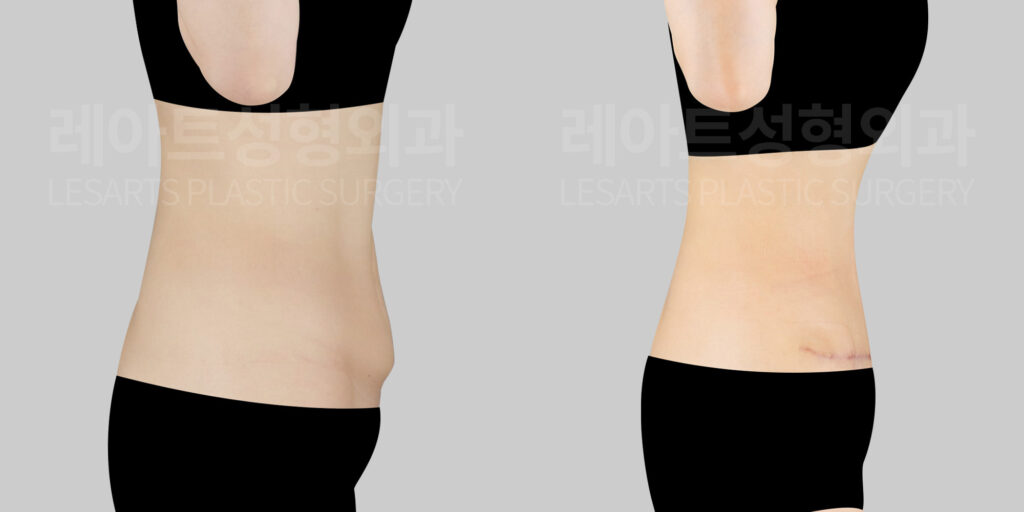
Improvement in Lower Abdominal Protrusion After Abdominoplasty – Lesarts Plastic Surgery
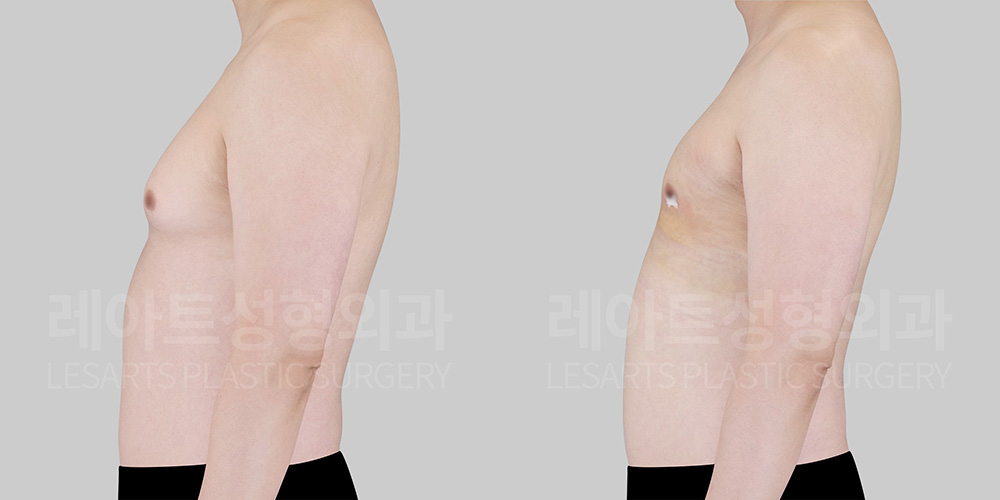
The previously uneven
and irregular side contour
has improved naturally,
creating a smoother
and more refined silhouette.
From the side view,
the curve extending
from the upper abdomen
to the lower abdomen
appears significantly softer,
more balanced,
and noticeably firmer
than before surgery.
Most importantly,
the lower abdominal bulge,
which had been the patient’s
greatest concern,
showed substantial improvement,
resulting in a more harmonious
and balanced abdominal contour.

Recovery Status at 3 Months After Abdominoplasty – Dr. Kukhan Lee, Lesarts Plastic Surgery
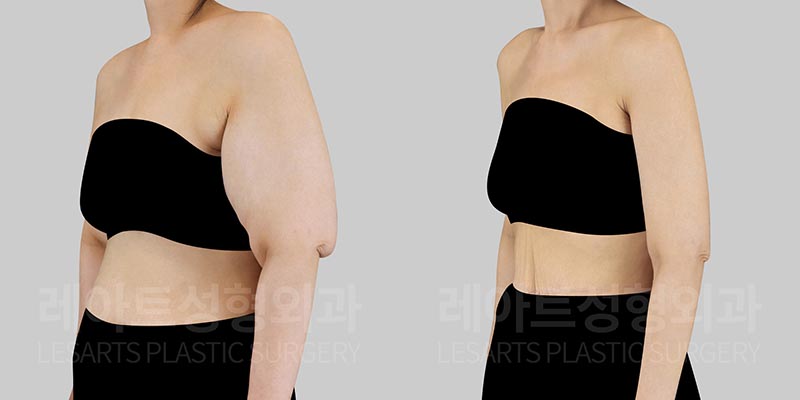
The excess skin
that had previously sagged
has been adequately tightened
and repositioned downward,
creating a smoother appearance
with significantly reduced
wrinkling and skin redundancy.
In addition,
the navel position,
which had appeared lower
before surgery,
has been restored
to a more ideal location.
As a result,
the patient’s overall
body proportions
now appear considerably
more natural and balanced.
The shape of the navel
is also customized
according to each patient’s
individual preference.
In this case,
the patient preferred
a natural vertical oval navel,
which was incorporated
into the surgical design.
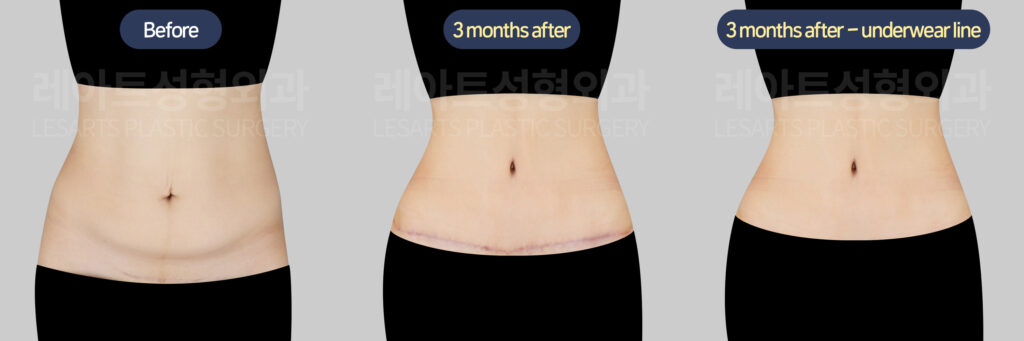
Scar Position and Length After Full Abdominoplasty – Dr. Kukhan Lee, Lesarts Plastic Surgery
However,
as this evaluation was performed
at only 3 months postoperatively,
the incision line still shows
areas of delayed healing
and relatively noticeable scarring.
Because abdominoplasty
involves an extensive surgical area,
early scar changes
can be more apparent
during the initial recovery period.
In many cases, however,
the scars gradually soften
and stabilize over time.
For this reason,
consistent scar management
and appropriate treatment
remain important while monitoring
the long-term healing process.
Abdominal sagging
and protrusion
cannot always be explained
by weight alone.
In particular,
skin laxity
and rectus diastasis
that develop after childbirth
or significant weight fluctuations
often have limitations
when treated solely with
exercise and dietary management.
Of course,
surgery is not necessary
for every patient.
However,
if these concerns continue
to cause stress
despite sustained efforts,
it may be worthwhile
to undergo a thorough evaluation
to determine whether
medical intervention
could provide a more effective
and lasting solution.
A personalized consultation
can help identify
the most appropriate approach
based on your current condition
and treatment goals.