Gynecomastia surgery in Seoul: from evaluation to surgery for chest protrusion that does not improve with exercise
Patient Registration Info
| Age | Weight | Height | BMI |
|---|---|---|---|
|
30s |
73kg |
172cm |
25 |
Surgical site
Surgical area: Gynecomastia | Grade 2-A
Many men experiencing gynecomastia symptoms
spend years wondering whether
their condition truly requires surgery,
without ever seeking
a professional evaluation.
One reason for this hesitation
is that the gynecomastia cases
most commonly presented online
often represent relatively severe
or advanced deformities.
Examples may include
markedly enlarged breasts,
significant asymmetry between
the two sides, or
pronounced skin laxity and ptosis.
When patients are unable to find
cases that resemble
their own chest appearance,
they may continue to experience
daily discomfort while asking themselves,
“Do I really have gynecomastia?”
or “Is surgery actually necessary?”
For this reason,
rather than struggling with
these concerns alone,
undergoing an accurate examination
and receiving a comprehensive evaluation
can be highly beneficial.
See surgical outcomes from gynecomastia cases similar to yours
☞ Lesarts Plastic Surgery – Gynecomastia Case
Through consultation,
patients can determine whether
surgical treatment is indicated,
gain a realistic understanding of
the expected results,
and learn more about
the anticipated recovery process
before making a final decision.
The patient presented in this post
visited Lesarts Plastic Surgery
because his gynecomastia symptoms
had persisted despite
significant weight loss
and regular chest-focused exercise.
He had first become aware of
his chest enlargement during adolescence
and was now in his early 30s,
seeking a more definitive solution
after many years of ongoing concern.
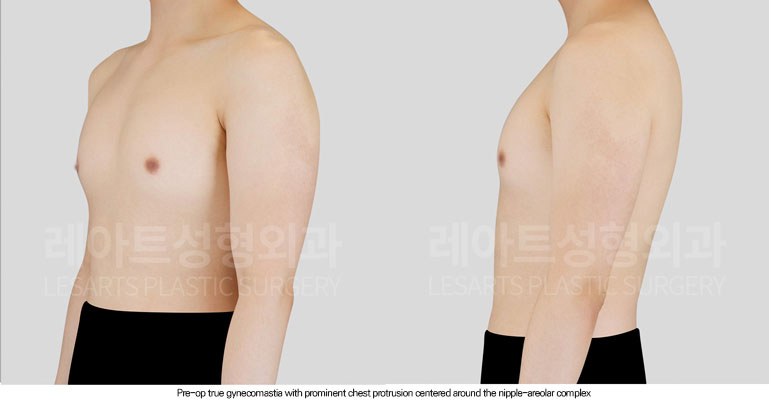
[Patient Information and Diagnostic Findings]
Age: Early 30s
Height / Weight: 172 cm / 73 kg
Diagnosis: True Gynecomastia, Simon Grade 2A
Skin Elasticity: Good
Glandular Thickness: 22 mm (Right) / 22 mm (Left)
Prior to surgery,
the patient’s chest demonstrated
a noticeable fullness centered around
the areolar region, creating
a mildly projected appearance.
On physical examination,
firm glandular tissue was palpated
beneath both areolae,
consistent with the presence of
true gynecomastia.
Fortunately,
the patient did not exhibit
excessive nipple projection,
and skin elasticity was found
to be well preserved.
Ultrasound evaluation confirmed that
the primary cause of
the enlarged chest contour
was hypertrophied glandular tissue,
rather than excess adipose tissue.
Because the patient maintained
a relatively lean physique and
had consistently engaged in
regular exercise, he reported
experiencing considerable stress due to
the prominence of his chest,
which became more noticeable
despite his otherwise athletic build.
Accordingly, the surgical plan focused on
complete removal of the glandular tissue
responsible for the gynecomastia symptoms.
To optimize chest contouring,
chest liposuction and
tissue repositioning techniques
were performed simultaneously,
allowing the chest to settle
into a more natural and masculine shape,
while also creating the subtle,
well-defined upper chest contour
often referred to by patients as
the “armor-like chest effect.”
Through the following
before-and-after gynecomastia photographs,
we will review the patient’s
surgical outcome in detail.
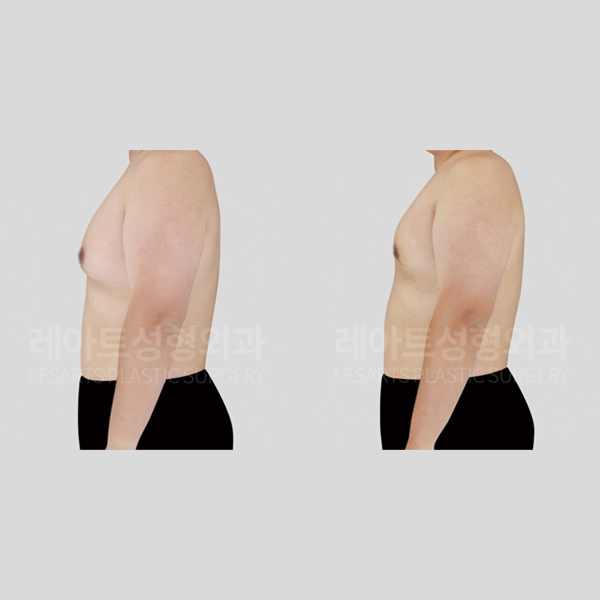
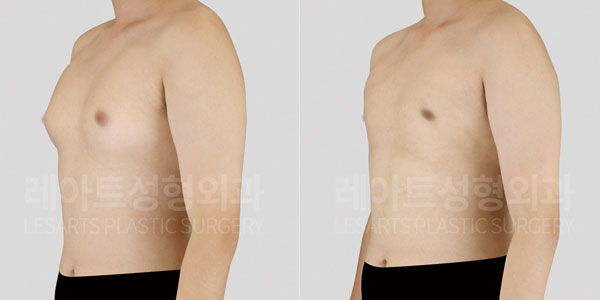
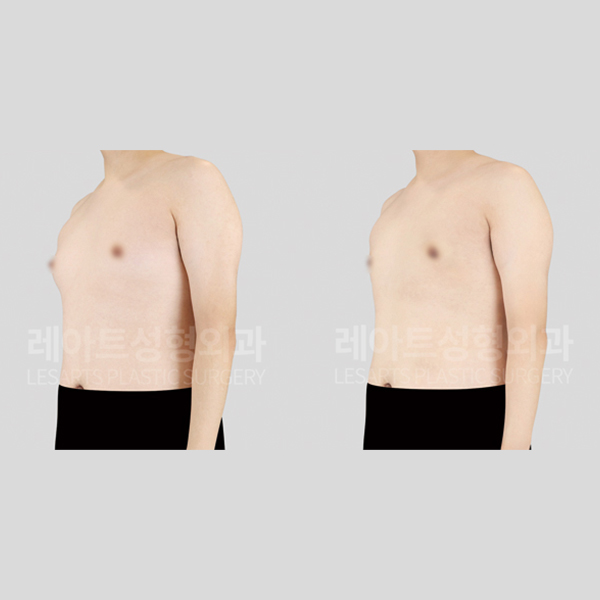
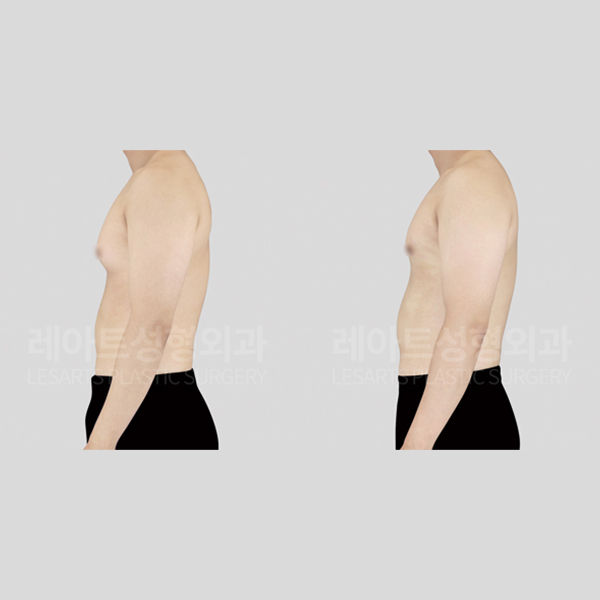
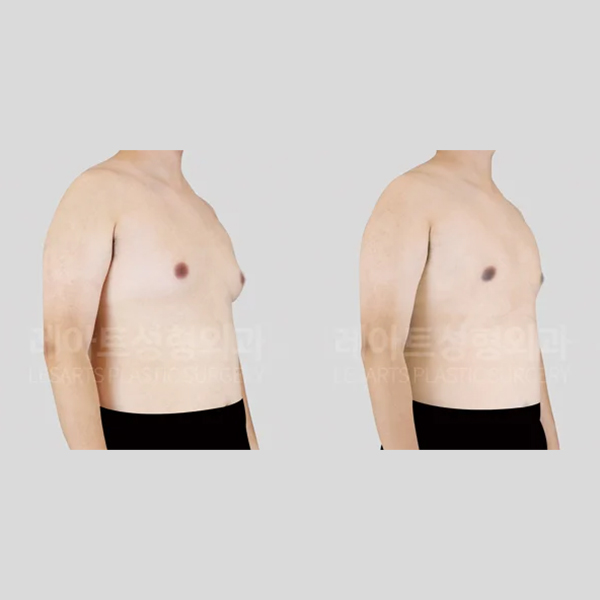
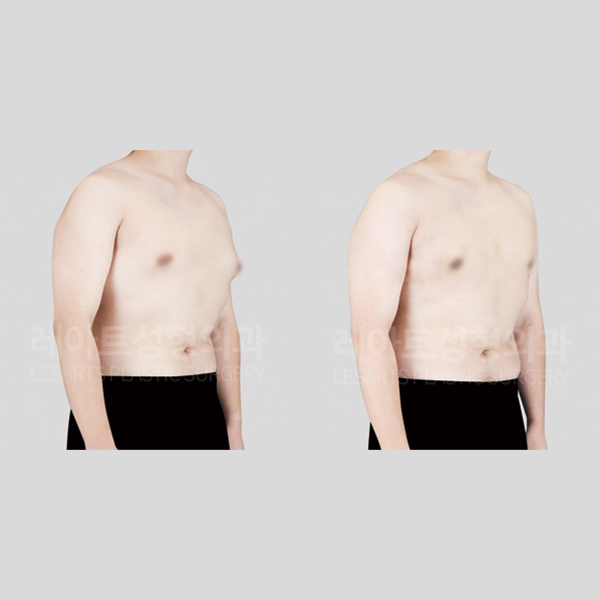
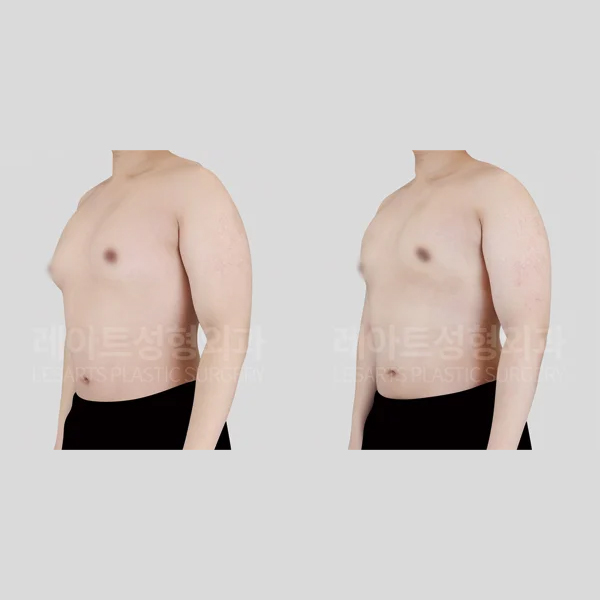
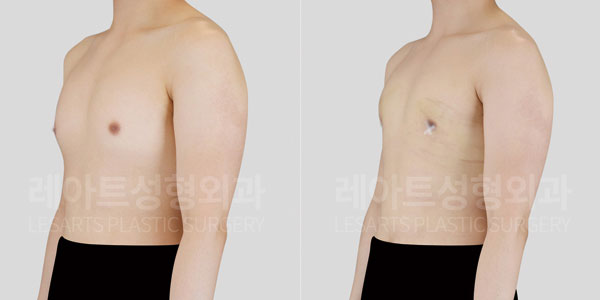
The photographs were obtained
at 2 weeks post-operatively,
which corresponds to
the timing of suture removal following
gynecomastia surgery.
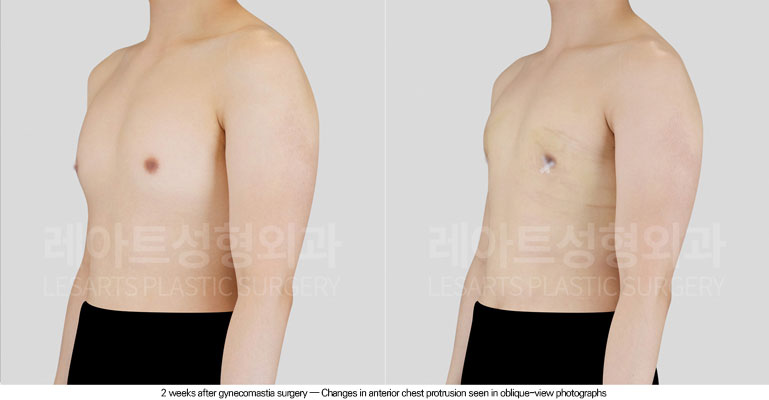
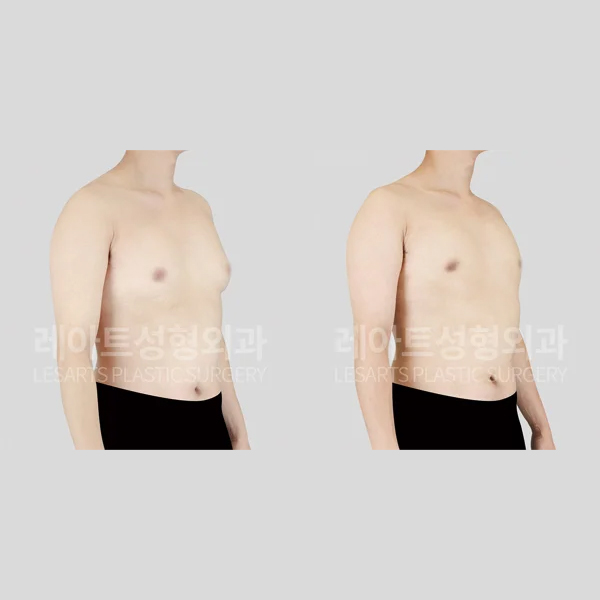
The chest contour that had previously
demonstrated noticeable fullness
centered around the areolar region
due to gynecomastia symptoms
has been effectively refined through
gynecomastia surgery, resulting in
a flatter and more gradual
chest silhouette.
Despite being in the early phase
of recovery, when swelling and
BioBond-related tissue firmness
are typically most pronounced,
the enlarged chest volume and
projected appearance that had not
improved with exercise alone
have already been naturally corrected.
In addition,
tissue repositioning, performed
simultaneously with gland excision,
allowed the chest contour to settle
smoothly without visible irregularities,
creating a firmer, more masculine
thoracic contour that appears
balanced and well-defined.
Even at 2 weeks post-operatively,
the overall chest shape demonstrates
a stable and aesthetically pleasing appearance,
suggesting that further refinement
can be expected as residual swelling
continues to resolve over time.
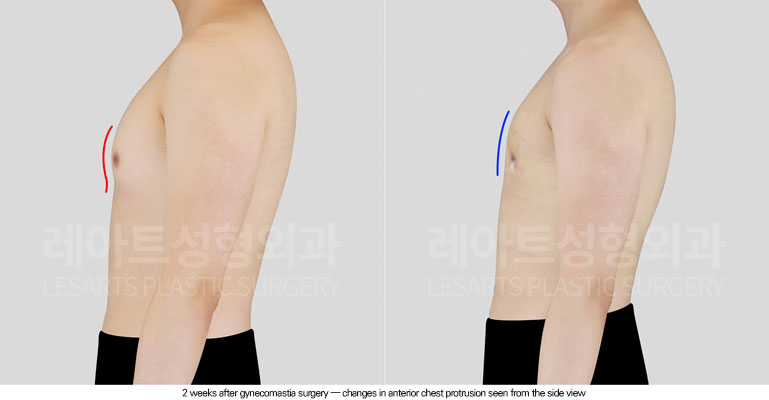
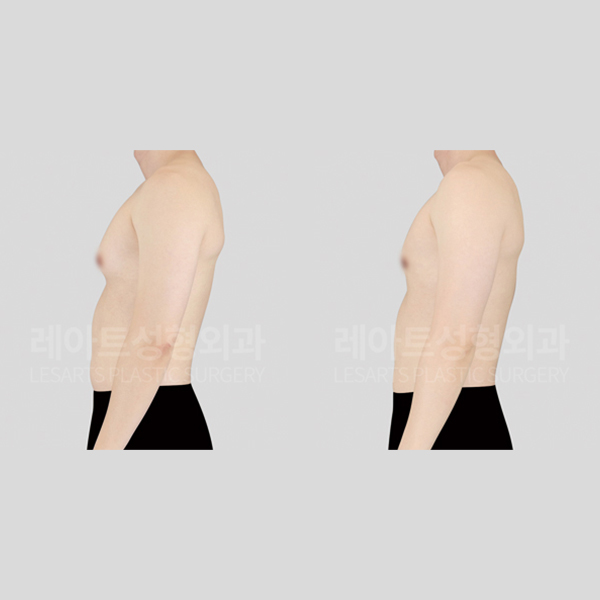
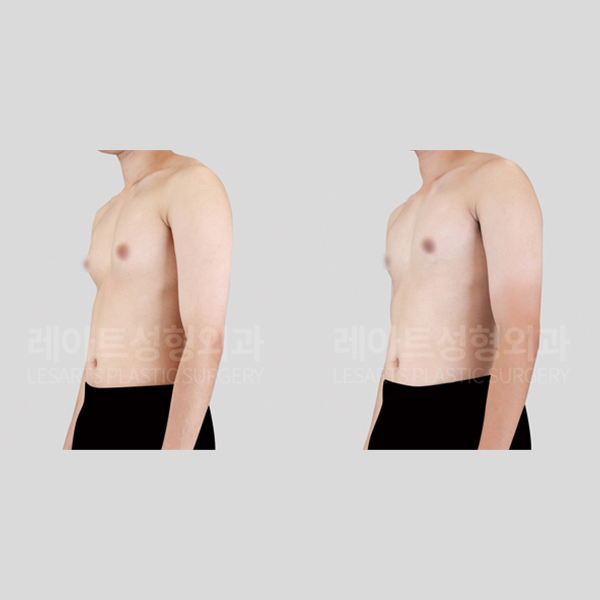
From the side profile,
the previously noticeable fullness
and somewhat awkward transition
between the lower chest and
the upper abdomen have been
significantly improved.
As a result,
a firmer and more masculine contour
extending from the upper chest
to the lower chest has been created,
providing a smoother and more athletic
appearance of the anterior torso.
Because these photographs were taken
at 2 weeks post-operatively,
the patient is still in
the early phase of recovery,
during which residual swelling and
tissue firmness are expected
to gradually improve over time.
It was explained that
if the patient continues to follow
the recommended post-operative instructions,
including consistent use of
the compression garment,
activity precautions, and scheduled follow-up care,
the chest contour is expected
to settle further and demonstrate
an even more stable, natural,
and refined appearance in the months ahead.
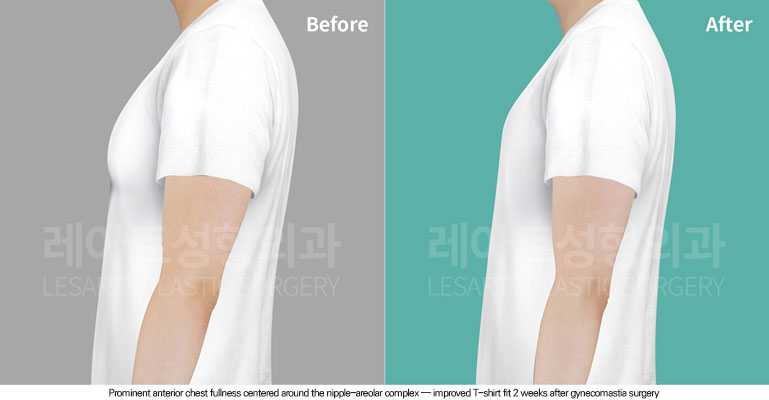
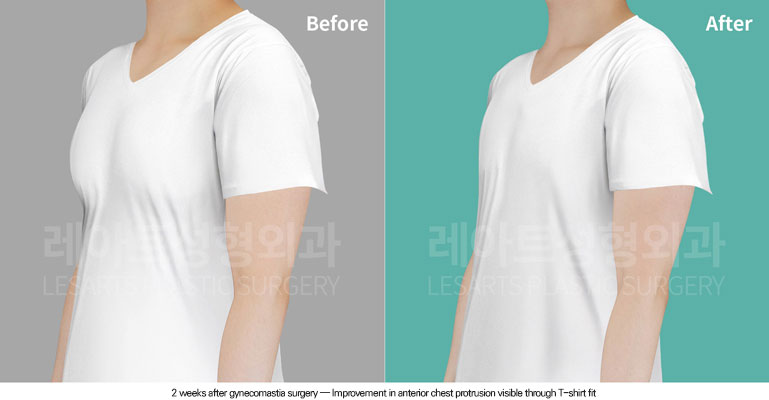
Most patients with gynecomastia
describe one of the greatest challenges
in daily life as
the constant concern over
choosing what to wear.
During warmer months,
many patients report wearing
multiple layers of T-shirts,
opting for thicker fabrics,
or deliberately selecting
loose-fitting clothing in an effort
to conceal their chest contour.
Conversely, during colder seasons,
although jackets and outerwear
can help camouflage the chest,
many individuals explain that
they continue wearing their coats
even indoors because of persistent
self-consciousness about their appearance.
Many patients share that
these long-standing concerns begin
to resolve almost immediately after
gynecomastia surgery, resulting in
a substantial improvement in
confidence and overall satisfaction.
This is particularly true for patients
who have invested significant time
into weight loss and
chest-focused strength training,
only to find that the prominence
of the chest remained unchanged.
Some patients even describe feeling
a sense of frustration upon realizing
that years of effort could not address
the underlying glandular enlargement
responsible for their symptoms.
If the measures you have pursued
to improve gynecomastia symptoms
are instead becoming a growing source
of stress and disappointment,
consider undergoing a comprehensive evaluation
and obtaining an accurate diagnosis
before continuing to struggle alone.
A thorough consultation can help determine
the most appropriate treatment strategy
for your individual condition,
including whether surgery is indicated,
what results can realistically be expected,
and what the recovery process entails.
If you are considering
gynecomastia surgery,
we encourage you to visit
Lesarts Plastic Surgery
to explore the treatment options
best suited to your needs and goals.
#GynecomastiaSurgery
#TrueGynecomastia
#SimonGrade2A
#GlandExcision
#ChestLiposuction
#TissueRepositioning
#MaleChestContouring
#GynecomastiaRecovery
#GynecomastiaBeforeAfter
#CompressionGarment
#LesartsPlasticSurgery
#BestGynecomastiaClinicGangnam