
[Gynecomastia Medical Column] Finally an Adult, but Now It’s Time to Enlist…: The Best Timing for Gynecomastia Surgery Before Military Enlistment and Recovery Guidelines
How long before military enlistment should gynecomastia surgery be performed?
Gynecomastia surgery is generally recommended at least 6–8 weeks before enlistment.
This allows enough time for initial tissue adhesion and recovery before military training,
including marching, upper-body exercise, and other high-intensity physical activities.
Written by Dr. Jihoon Moon, Lesarts Plastic Surgery
This medical column was written directly by the attending surgeon.
※ Unauthorized reproduction, editing, or redistribution is prohibited. ※
When consulting with adult male patients with gynecomastia,
I often ask,
“When did you first start worrying about your chest?”
Nine out of ten patients answer,
“Since middle school or high school.”
However, even when teenagers want to undergo gynecomastia surgery,
various medical and practical limitations can make treatment difficult.
For middle and high school students in particular,
it can also be challenging to secure enough recovery time
outside of school vacations.
As a result, many teenagers wait eagerly until adulthood
before finally considering surgical treatment.
But once they turn 19, young Korean men face
another major practical concern that is difficult to avoid:
military enlistment.
This leads many patients to postpone treatment once again, thinking,
“I’ll be enlisting soon anyway.
Wouldn’t it be better to have surgery after I finish my military service?”
However, this is not an option I would recommend.
The physical and psychological stress experienced during military service
can be much greater than many patients expect.
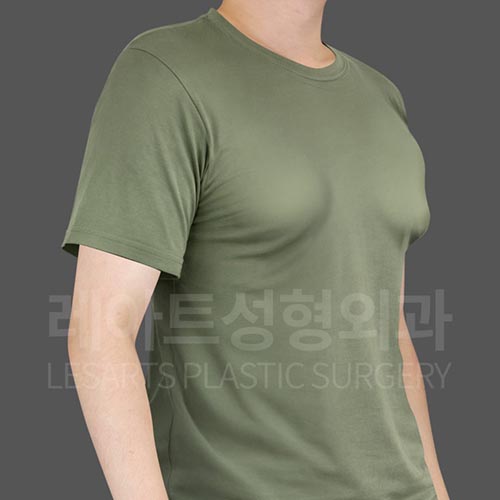
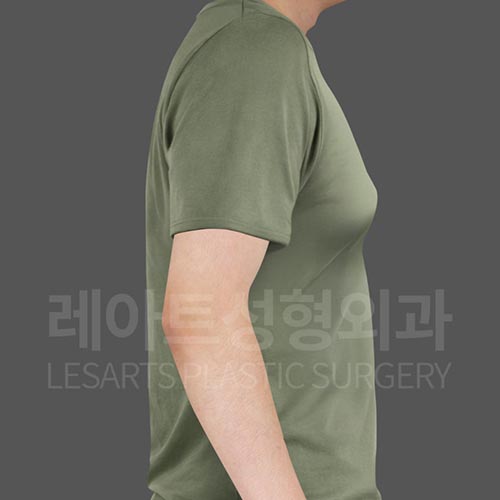
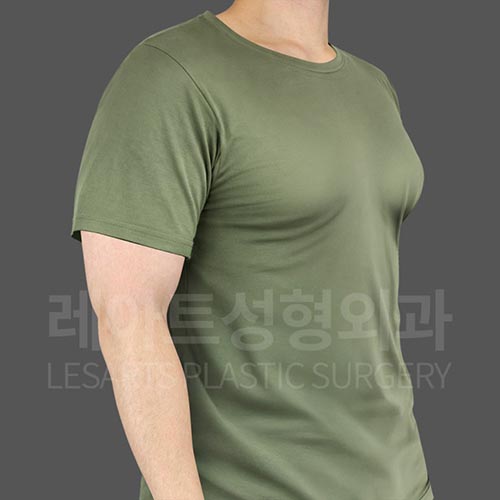
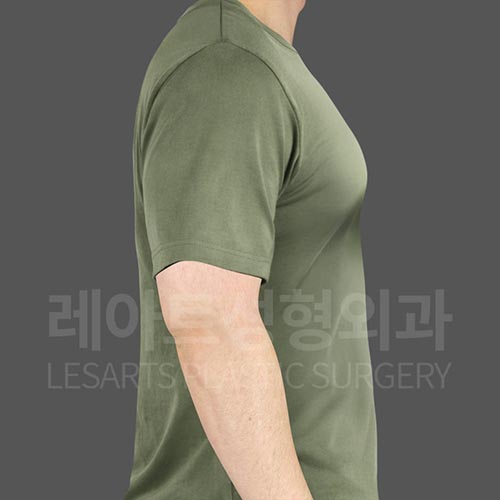
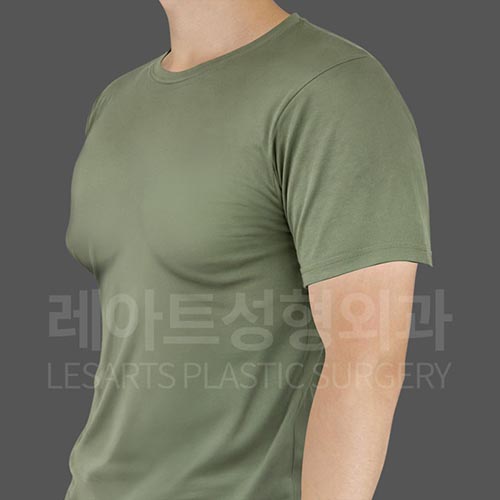
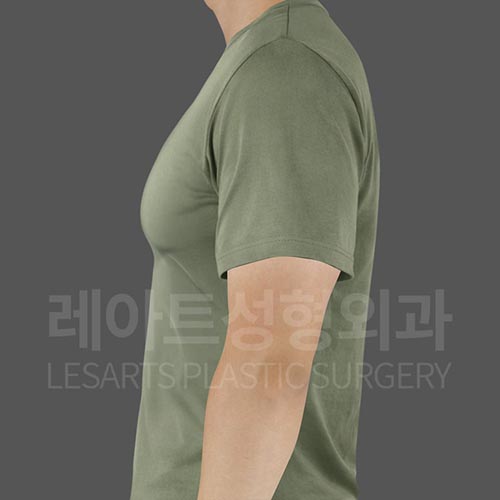
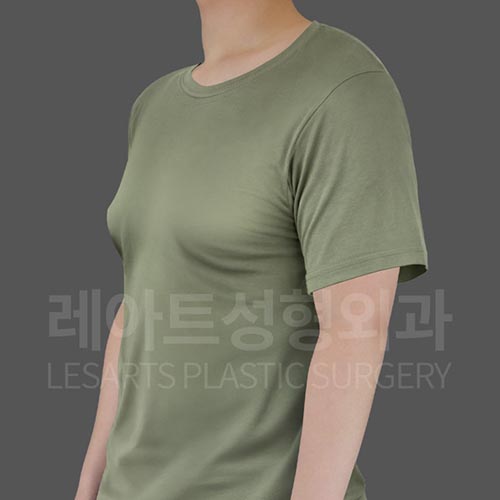
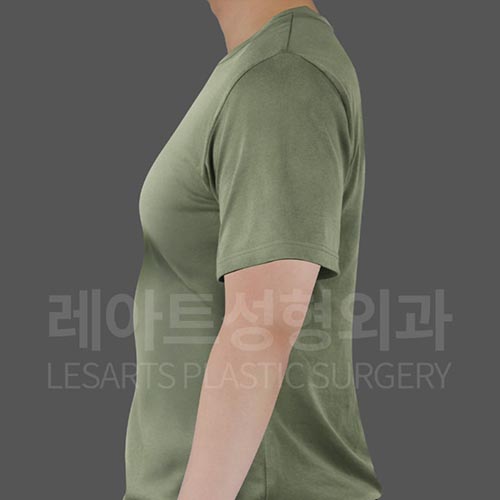
Before Gynecomastia Surgery – Lesarts Plastic Surgery
In fact, some active-duty service members experience so much stress after enlistment
that they undergo gynecomastia surgery while on military leave
before returning to duty.
In this article, we will explain in detail
the optimal timing for gynecomastia surgery for men in their early 20s
who are preparing for military enlistment,
as well as a clear recovery timeline
for tissue stabilization and the gradual return to physical activity.
1. Early 20s and Military Enlistment: Why Is It Better Not to Postpone Surgery Until After Discharge?
After years of concern and stress caused by gynecomastia
that began during adolescence, reaching adulthood finally gives patients
greater freedom to consider surgical treatment.
However, military enlistment often becomes
the next major concern during this period.
For many Korean men in their early 20s,
this is when they are preparing for military service
or have already received their enlistment date.
As a result, many patients think,
“I’ll be in the military for nearly two years anyway,
so maybe I should wait until I’m discharged
and have surgery before returning to civilian life.”
This often leads them to postpone treatment
for another several years.
However, based on clinical experience treating patients
before and after military enlistment,
I generally do not recommend entering military service
while continuing to struggle with gynecomastia.
Military service involves living in close quarters
with dozens of fellow service members
throughout the day.

Gynecomastia Surgery and Military Service – Lesarts Plastic Surgery
The chest contour may become more noticeable
when wearing a thin military undershirt during summer,
when changing clothes together in the barracks,
or when taking group showers.
For young men with gynecomastia,
these situations can lead to significant psychological discomfort
and stress throughout military service.
Military service itself requires considerable
physical and mental energy.
Rather than beginning military service
with additional stress about your chest appearance,
addressing the concern before enlistment can help you enter service
with greater confidence and peace of mind.
2. Optimal Timing for Surgery Before Enlistment and a Gradual Return-to-Activity Timeline
So, when is the ideal time
for a man in his early 20s to undergo gynecomastia surgery
before military enlistment?
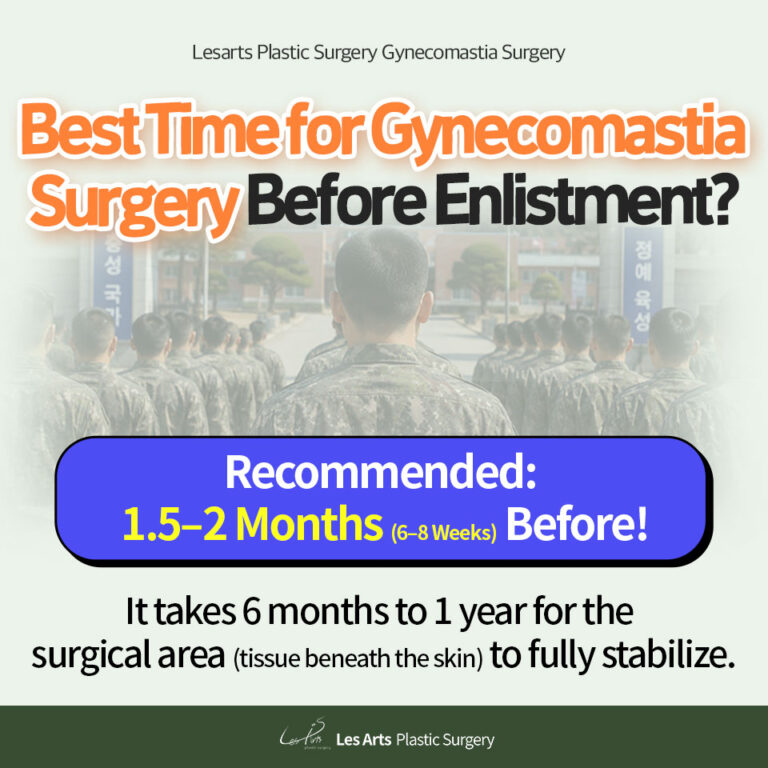
Timing of Gynecomastia Surgery Before Military Enlistment – Dr. Jihoon Moon, Lesarts Plastic Surgery
To give you the conclusion first,
it is safest and most advisable to complete gynecomastia surgery
at least 1.5–2 months (6–8 weeks) before the enlistment date.
Gynecomastia surgery involves precisely removing enlarged glandular tissue
and reducing excess surrounding fat through liposuction
to create a flatter, more natural chest contour.
Although the surgery itself usually takes around one to two hours
and patients can generally return home the same day,
the body still requires sufficient recovery time
for the tissues to adapt and stabilize after surgery.
Medical Tissue Stabilization Period: 6 Months to 1 Year
One common misconception among patients is that
the internal tissues will be completely healed
just one month after gynecomastia surgery.
Medically, it takes time for the skin to reattach
to the underlying fascia, for new tissue to fill the space
where glandular tissue was removed,
and for postoperative internal firmness (bio-bond)
to gradually soften and stabilize.
Complete tissue stabilization generally takes
approximately 6 months to 1 year.
During this period, the chest continuously undergoes
a gradual remodeling process.
Therefore, it is normal for the chest to feel somewhat numb
or temporarily firm for several months after surgery
as the internal tissues continue to heal and stabilize.
Gradual Physical Activity Guidelines by Recovery Timeline
Although complete tissue stabilization may take
6 months or longer, this does not mean
that exercise and physical activity must be avoided for that entire period.
After gynecomastia surgery, physical activity can be resumed gradually,
with the intensity increased step by step
according to each stage of recovery.
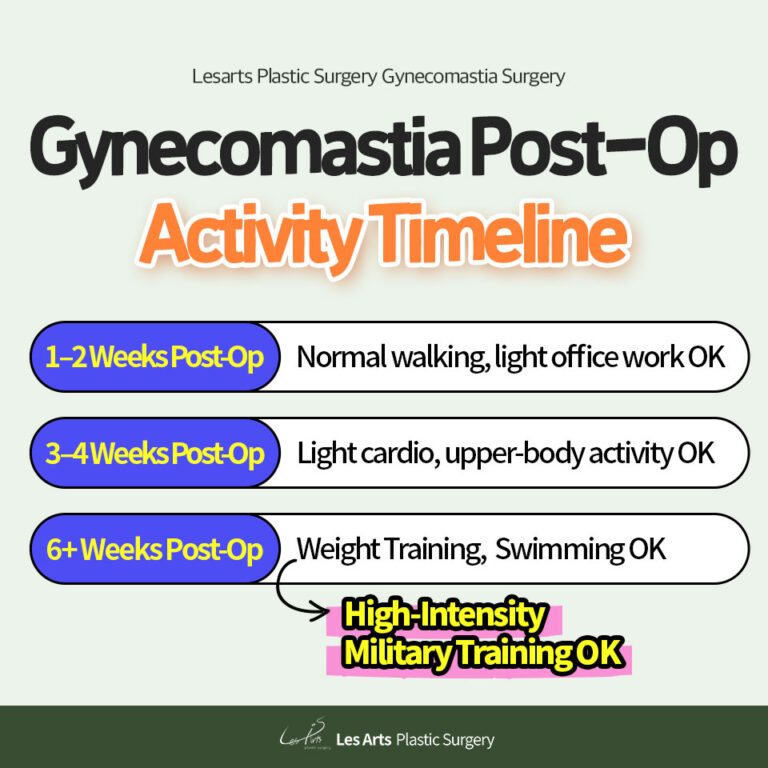
Exercise Timeline After Gynecomastia Surgery – Dr. Jihoon Moon, Lesarts Plastic Surgery
✔ 1–2 Weeks After Surgery (Early Recovery)
This is the period when the greatest caution is required.
A customized compression garment should be worn 24 hours a day
to minimize bruising and swelling
and help the skin settle properly.
Normal walking and light office activities are generally possible,
but activities that strain the upper body
or involve lifting heavy objects should be avoided.
✔ 3–4 Weeks After Surgery (Mid-Recovery)
At this stage, the incision is healing
and skin adhesion is becoming more stable.
Compression garment use can generally be reduced
to around 12 hours per day.
Light aerobic exercise, from slow walking to brisk walking,
can also be resumed.
Using public transportation and performing
light upper-body activities generally become more comfortable.
✔ 6 Weeks or More After Surgery (Military Enlistment and High-Intensity Physical Activity)
Around 6 weeks (approximately 1.5 months) after gynecomastia surgery,
the initial internal tissue adhesion becomes more stable.
From this point, high-intensity activities such as
upper-body weight training, swimming, and martial arts
can be gradually resumed.
From the perspective of military training,
activities such as marching with more than 20 kg of full combat gear,
field training, individual combat drills, and shooting positions
can place considerable pressure and friction on the chest and shoulders.
By allowing at least 6 weeks (approximately 1.5 months)
for recovery before enlistment, patients are generally better prepared
to safely participate in these high-intensity training activities
without placing excessive strain on the surgical area.
This is the medical reason why gynecomastia surgery
is recommended at least 1.5–2 months (6–8 weeks)
before the military enlistment date.
See Gynecomastia Surgery Cases
▼▼
3. Conclusion
Gynecomastia is more than simply an imbalance in physical appearance.
It is a medical condition that can have a significant impact
on the self-esteem and psychological well-being of young men
from adolescence through the transition into adulthood.
Once you are over 19 and preparing for the major physical
and environmental transition of military enlistment,
undergoing surgery with approximately 1.5–2 months of recovery time
before enlistment can be considered the ideal timing.
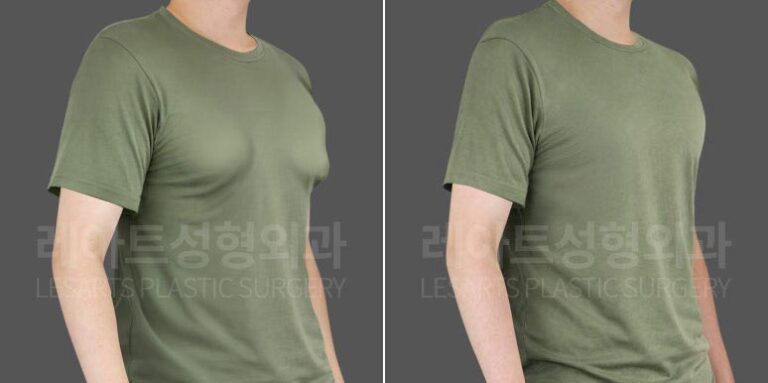
Gynecomastia Surgery Before and After (1 Month) – Lesarts Plastic Surgery
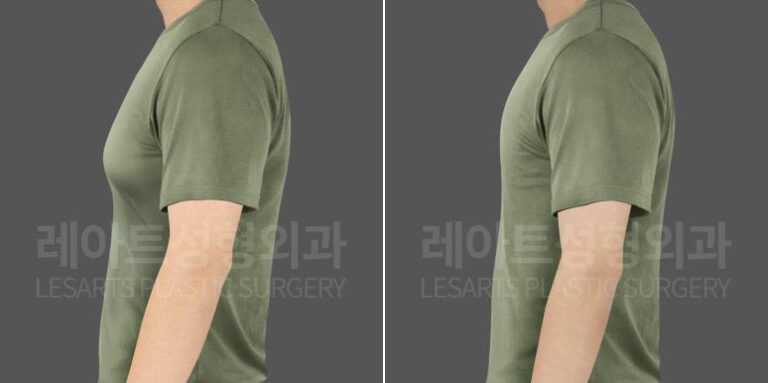
Gynecomastia Surgery Before and After (2 Months) – Lesarts Plastic Surgery

Gynecomastia Surgery Before and After (3 Months) – Lesarts Plastic Surgery
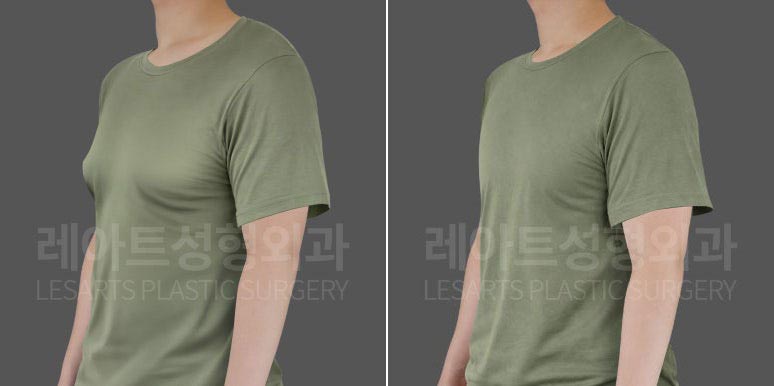
Gynecomastia Surgery Before and After (6 Months) – Lesarts Plastic Surgery
Although complete internal tissue stabilization after surgery
may take approximately 6 months to 1 year,
physical activity can be gradually increased
according to a structured recovery timeline.
With sufficient recovery before enlistment,
patients can return to military training
and high-intensity physical activities safely and confidently.
If you are preparing for military enlistment
but are still concerned about gynecomastia,
consider consulting a specialized clinic rather than delaying treatment.
A thorough consultation can help you determine
the most appropriate surgical plan and timing for your individual condition.
FAQ
Q1. When is the best time to have gynecomastia surgery before military enlistment?
It is generally recommended to complete gynecomastia surgery at least 6–8 weeks before the enlistment date.
This provides sufficient time for the chest tissues to stabilize before intensive military training begins.
Q2. Can I return to daily activities 1–2 weeks after gynecomastia surgery?
Yes. Normal walking and light office activities are generally possible during the first 1–2 weeks.
However, heavy lifting and activities that place strain on the upper body should still be avoided.
Q3. When can I start exercising again after gynecomastia surgery?
Light aerobic exercise and gentle upper-body activity can usually begin around 3–4 weeks after surgery.
More intense exercise should be resumed gradually according to the surgeon’s guidance.
Q4. When can I resume weight training, swimming, and high-intensity exercise?
After approximately 6 weeks, initial internal tissue adhesion is generally more stable.
Weight training, swimming, and other high-intensity physical activities
can then be gradually resumed if recovery is progressing normally.
Q5. How long does complete internal healing take after gynecomastia surgery?
Although many daily and physical activities can be resumed much earlier,
complete internal tissue remodeling and stabilization may take approximately 6–12 months.
▼ Visit Lesarts Plastic Surgery in Gangnam, Seoul, Korea ▼