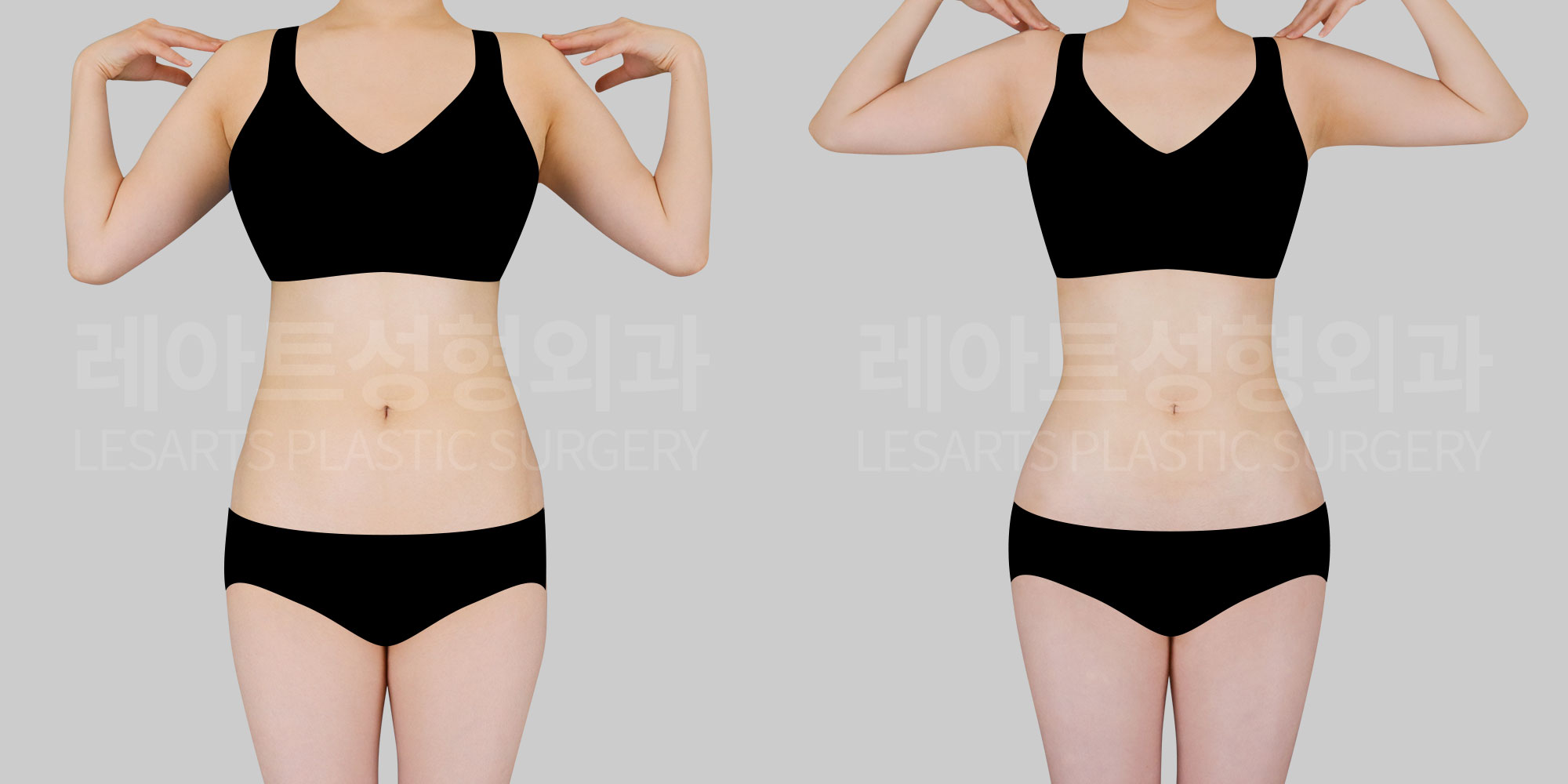
[Thigh liposuction]“Upper body size 44, lower body size 66?” Enough of just being skinny.
Hello, this is Dr. Yongseung Seo at Lesarts Plastic Surgery.
If you’ve ever tried dieting,
you’ve probably faced this dilemma at least once.
“When I lose weight, my face and chest get smaller,
but my thighs—the real concern—stay the same.”
The number on the scale clearly goes down,
yet the reflection in the mirror
still looks unbalanced.
In many cases, the upper body appears so slim
that it looks fragile,
while the lower body looks solid and heavy,
causing stress every time you get dressed.
To address this,
starving yourself or drastically increasing lower-body workouts
often leads to an overly gaunt look
(so-called “skinny to the bone”),
or excessive muscle growth in specific areas,
which actually moves you further away
from a beautiful body line.
The patient we are introducing today
was 163 cm tall, weighed 45.9 kg,
and had a BMI of 17.3—
an extremely slim profile.
Despite this, she visited our clinic
due to concerns about body imbalance.
This was not a case of simply “removing” fat,
but one that required a precise design
to preserve her natural lines
while restoring balance
between the upper and lower body.
Let’s take a look at how the lower-body line—
unresponsive even to exercise—
was transformed.
Preoperative assessment of thigh liposuction – Lesarts Plastic Surgery – Dr. Yongseung Seo
[Patient information]
• Age: Early 30s
• Height: 163 cm
• Weight: 45.9 kg (usually maintained at 43–44 kg)
• BMI: 17.3 kg/m² (underweight)
• Body fat percentage: 22.1%
Even patients with similar specifications may experience different outcomes from liposuction surgery.
[Preoperative body assessment and patient concerns for thigh liposuction]
“I want to be slimmer, but I don’t want to look gaunt.”
The patient had consistently managed her body
through regular running and weight training.
However, the more she exercised,
the more she found herself facing a dilemma.
1. Upper–lower body imbalance:
Compared to her body weight, the lower body appeared relatively thick,
resulting in an overall lack of balance.
2. Limitations of dieting:
When she tried to reduce lower-body size by losing weight,
her already slim upper body became too thin,
causing a loss of volume.
3. Desired outcome:
She planned to lose a bit more weight,
but wanted to avoid looking unhealthy
or “skinny to the bone.”
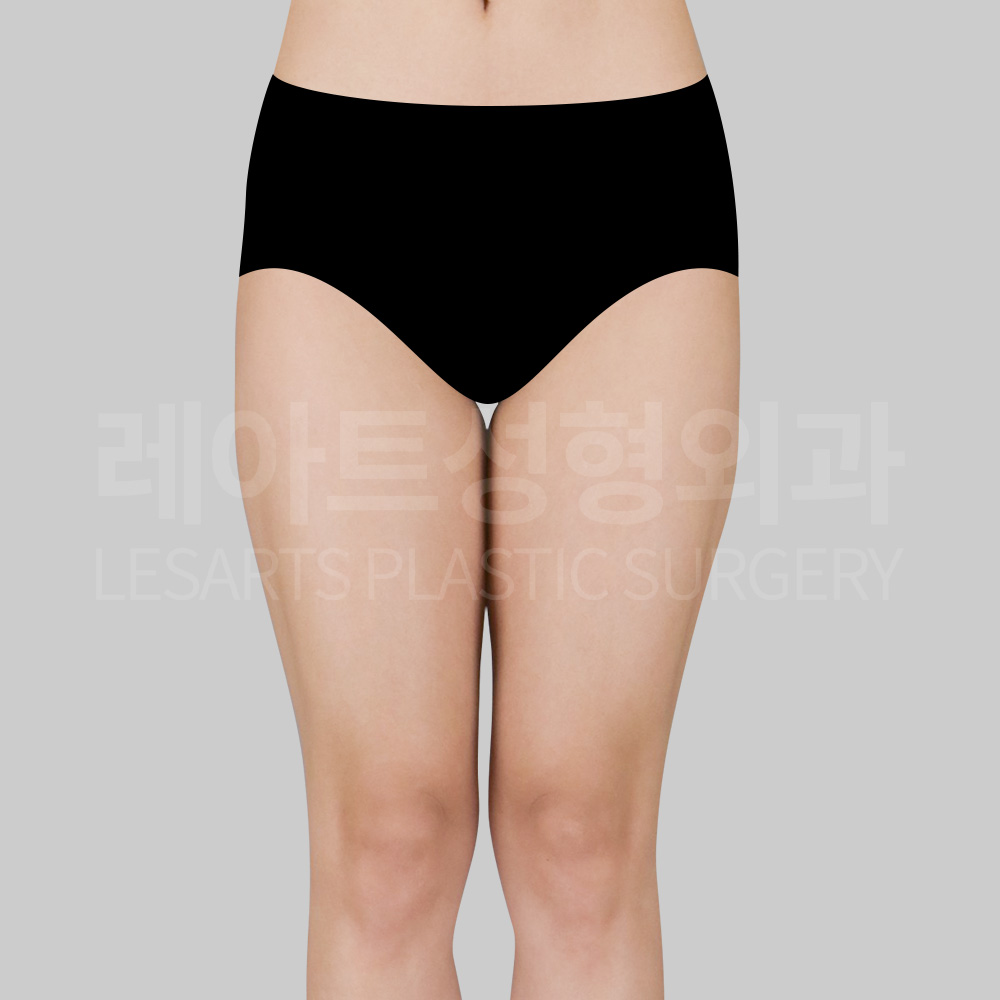
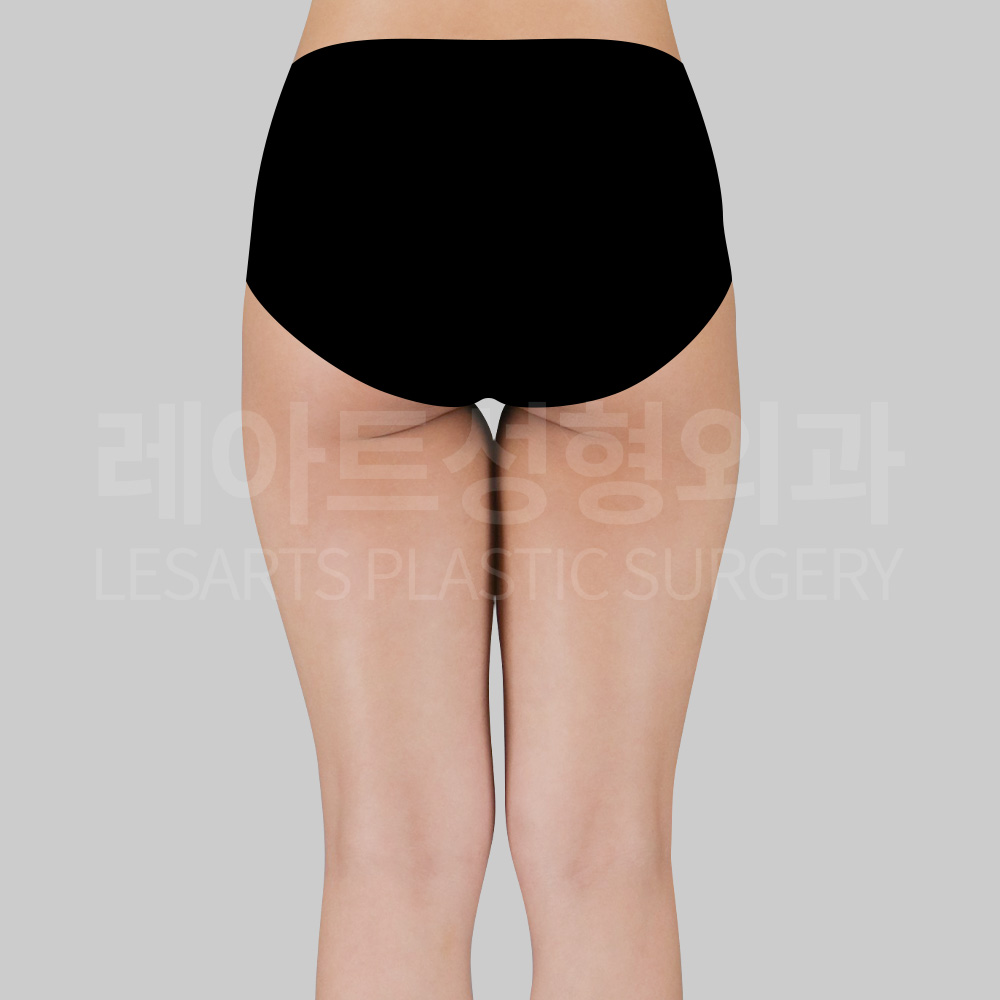
Based on visual examination and ultrasound findings,
the overall body fat percentage was not high,
but localized fat accumulation was noted, especially in the saddlebags:
Saddlebags: 24 / 19 mm
Inner thighs: 9 / 10 mm
Front thighs: 12 / 13 mm
Back thighs: 6 / 7 mm
While the inner thighs did not have a large amount of fat,
there was almost no visible thigh gap,
and the line was uneven,
making the legs appear thicker than they actually were.
[Customized lower-body liposuction design plan for a slim body type]
The patient had undergone multiple aesthetic procedures in the past
(facial contouring, rhinoplasty, double chin treatment, etc.),
and therefore had very high aesthetic standards
and wanted subtle, detail-oriented changes.
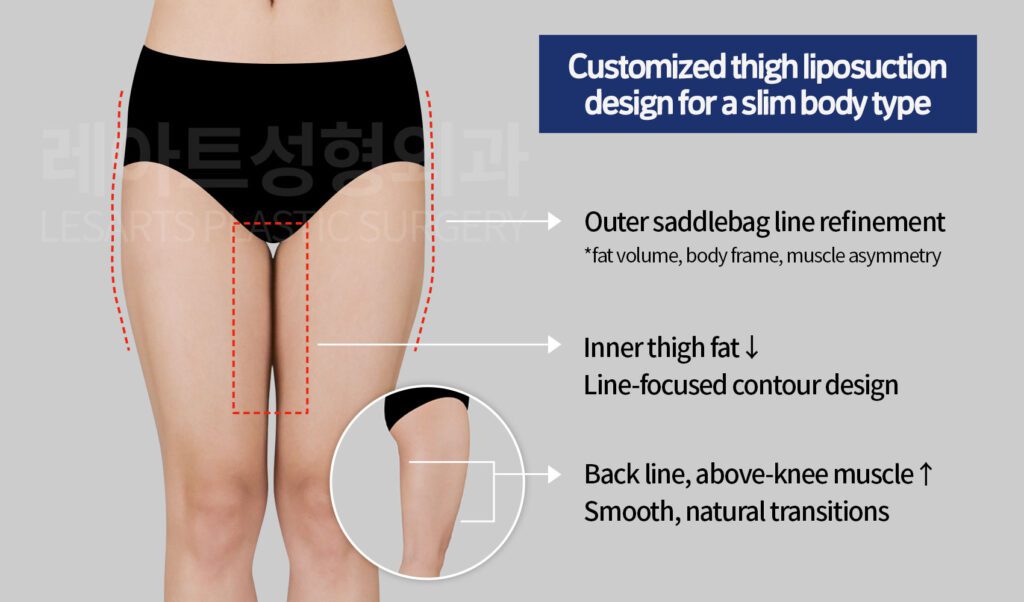
Based on this, the following surgical plan was established.
1. Correction of saddlebag asymmetry
The assessment showed differences
in fat volume and shape between the left and right saddlebags
(outer thighs).
While thigh liposuction would aim
to achieve the greatest possible symmetry,
we explained in advance that
due to underlying skeletal and muscular asymmetry,
a slight left–right difference
might still be noticeable after surgery.
2. Refinement of the inner thigh line
The inner thighs did not have a large amount of removable fat,
so the absolute size reduction was expected to be limited.
Since the patient did not want
an overly gaunt or “skinny to the bone” appearance,
the focus was placed on refining and smoothing the line
rather than aggressive volume reduction.
3. Clear recognition of limitations (front and back thighs)
In this patient’s case,
the rounded protrusion just above the knee on the front thigh
was caused by prominent muscle, not fat.
In addition, the back thighs did not have a large fat volume,
so rather than aiming for dramatic size reduction,
we explained that the approach should focus
on smoothing and refining the contour.
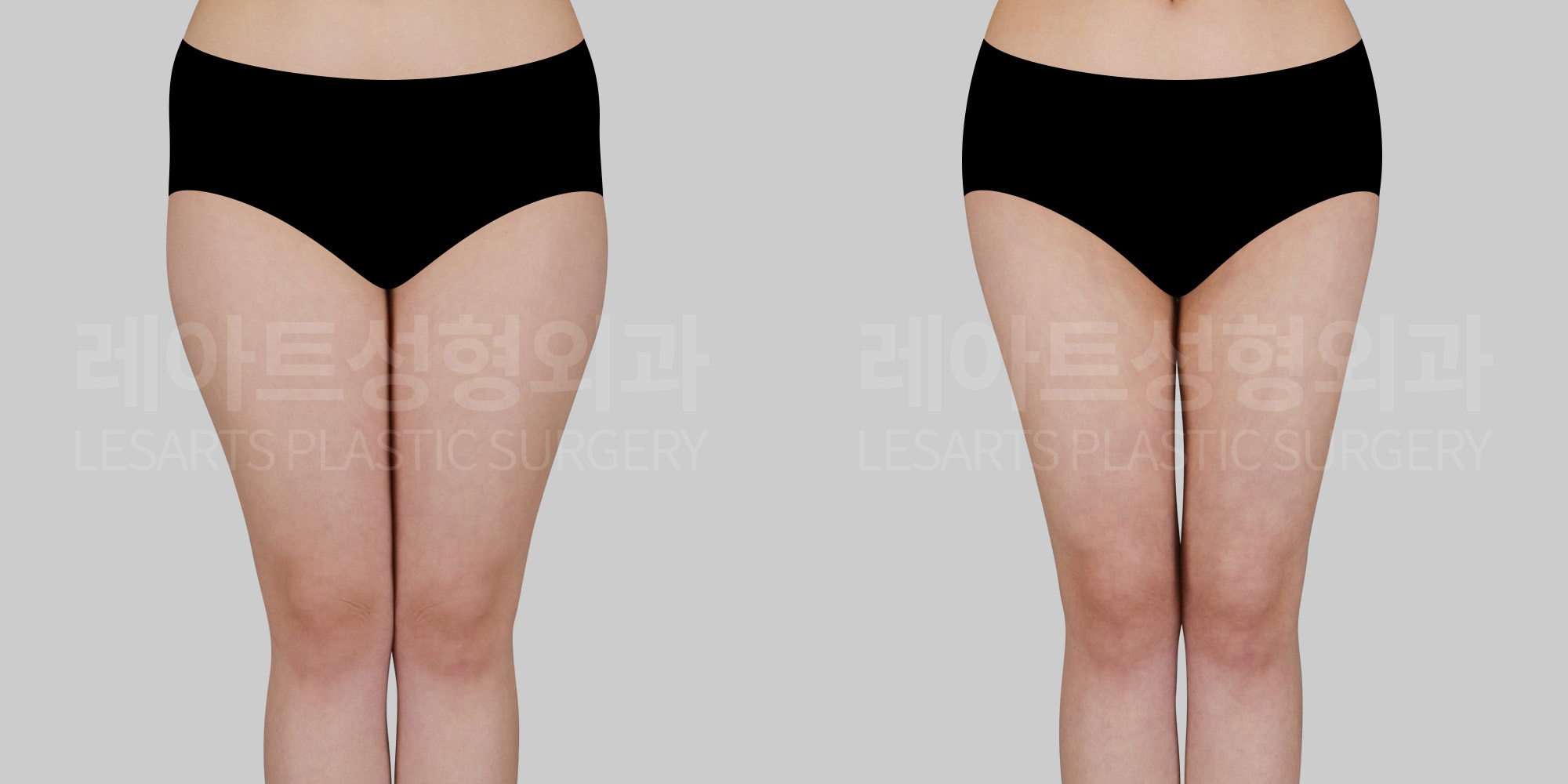
Lesarts Plastic Surgery lower-body liposuction for lower-body obesity, saddlebag reduction before-and-after difference – Dr. Yongseung Seo
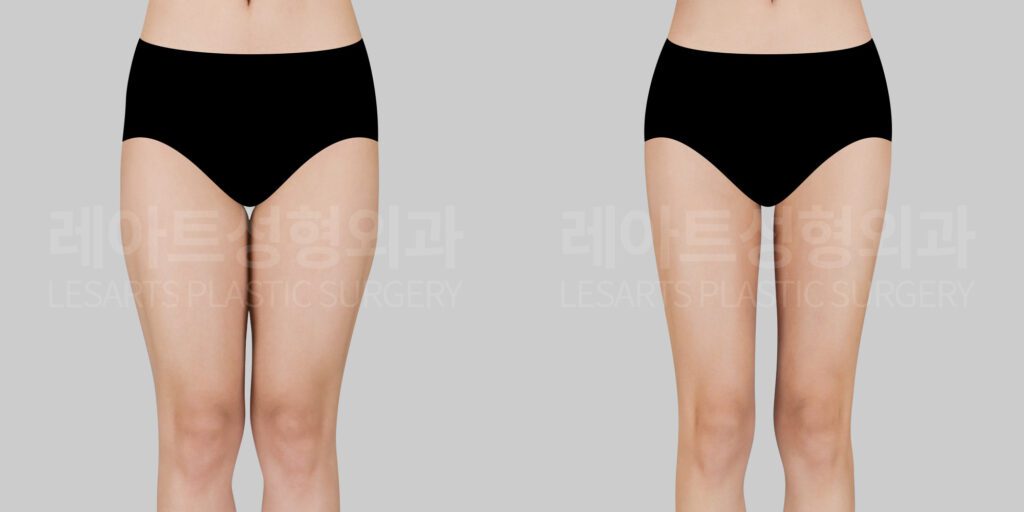
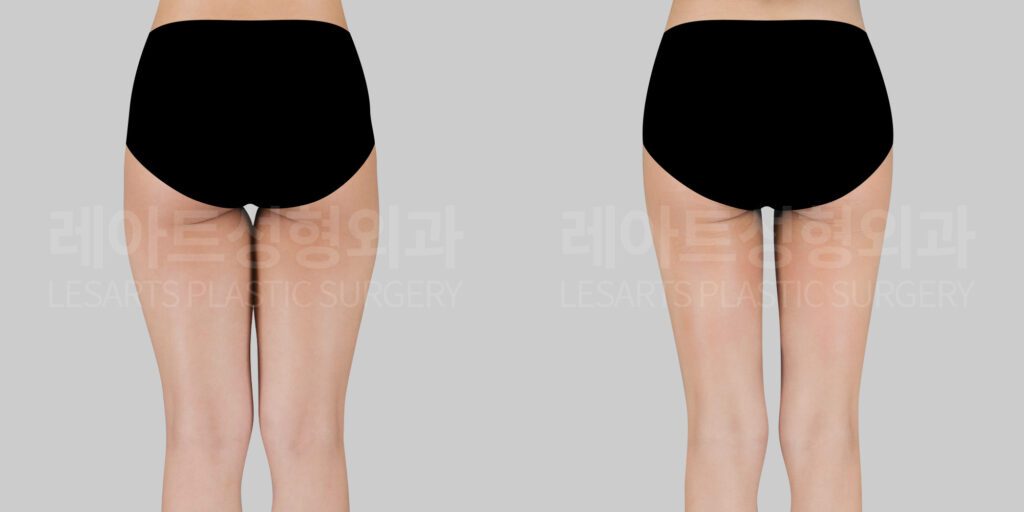
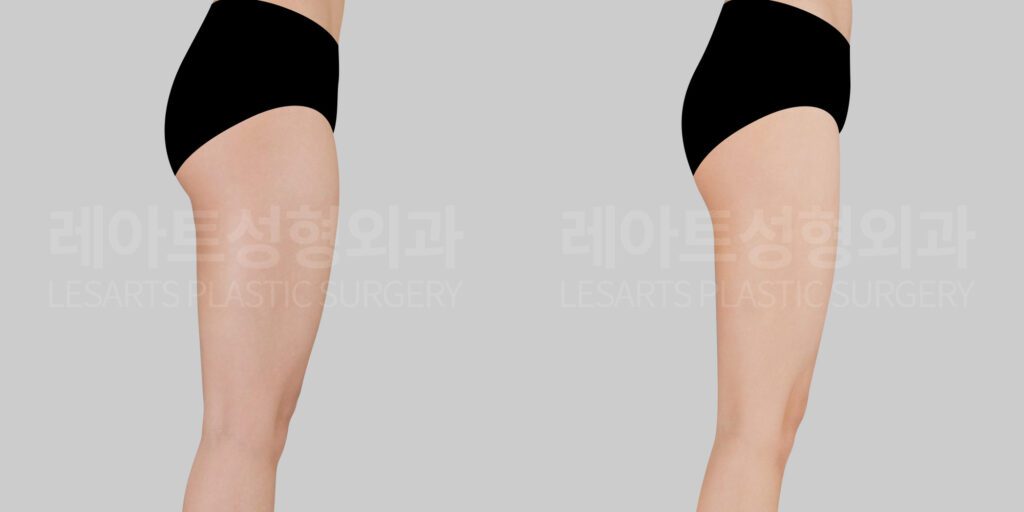
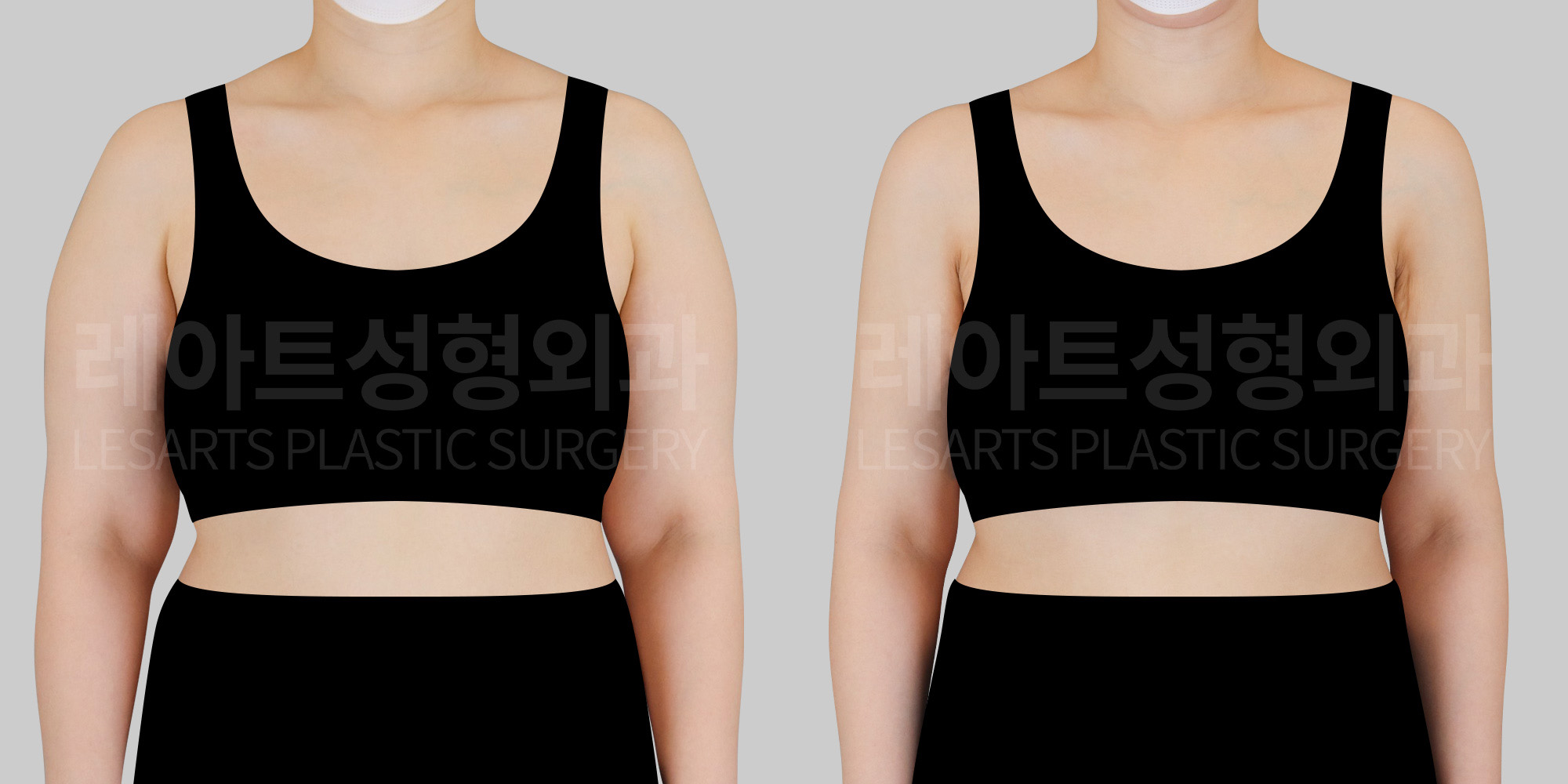
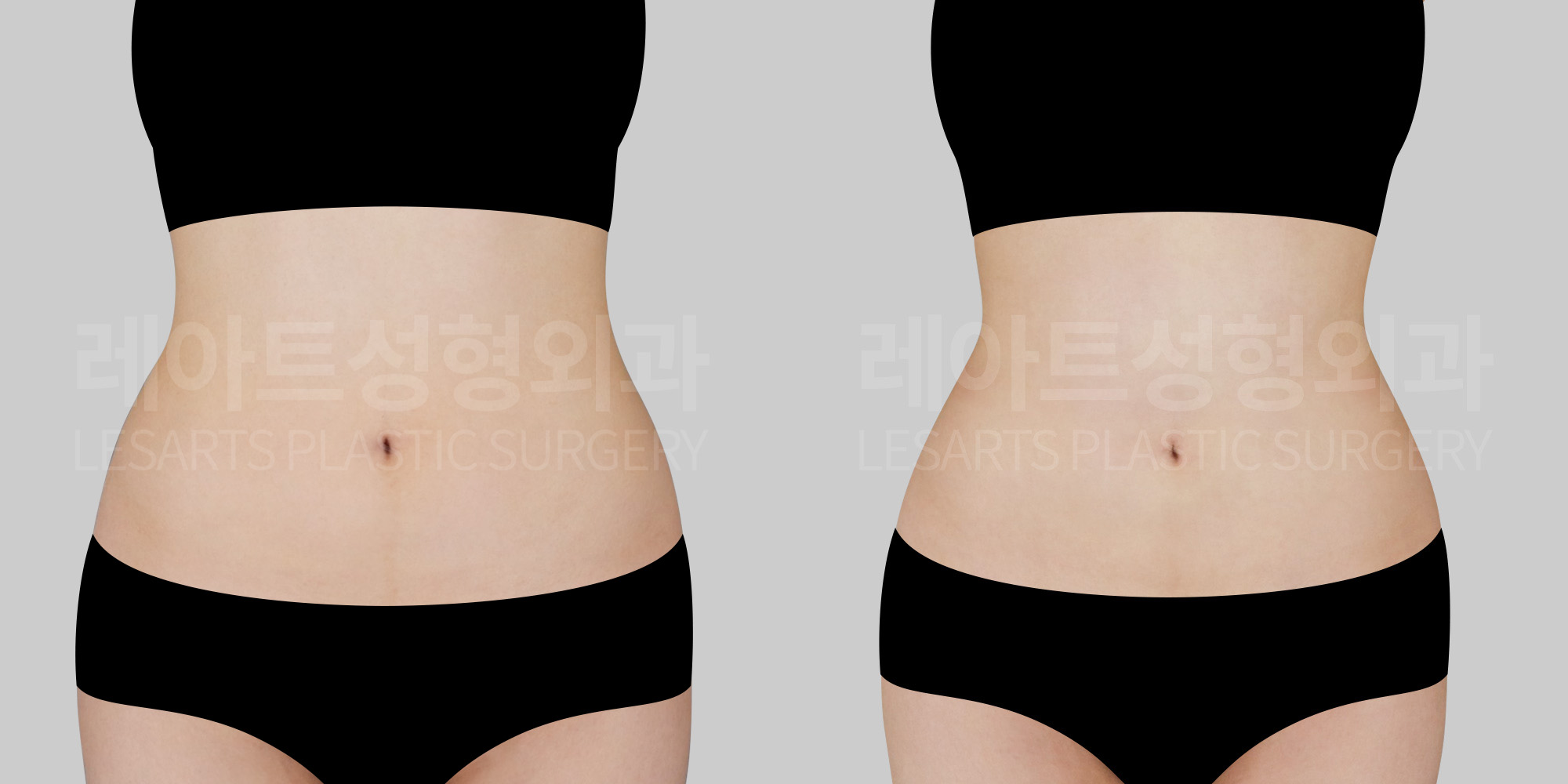
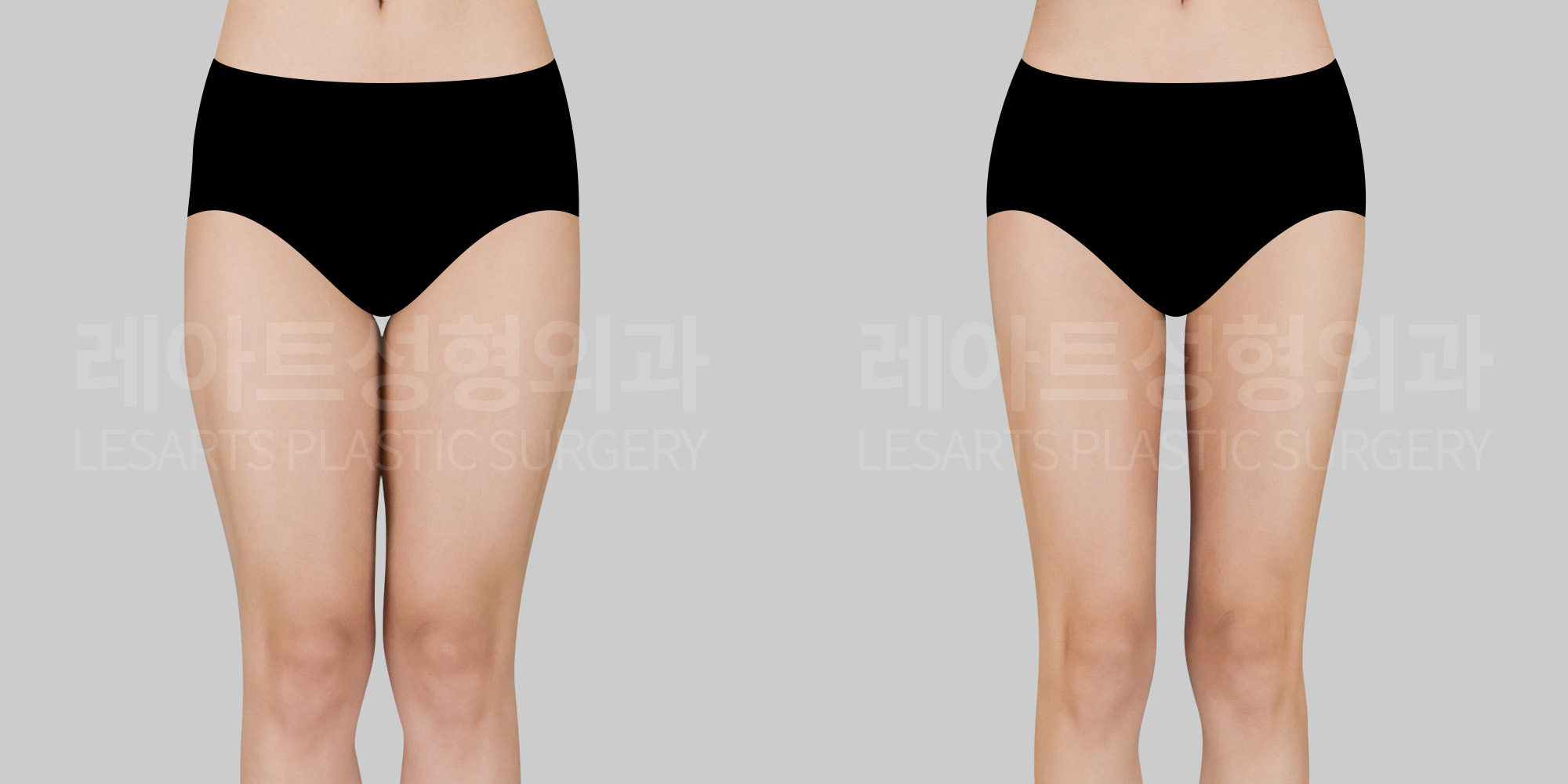
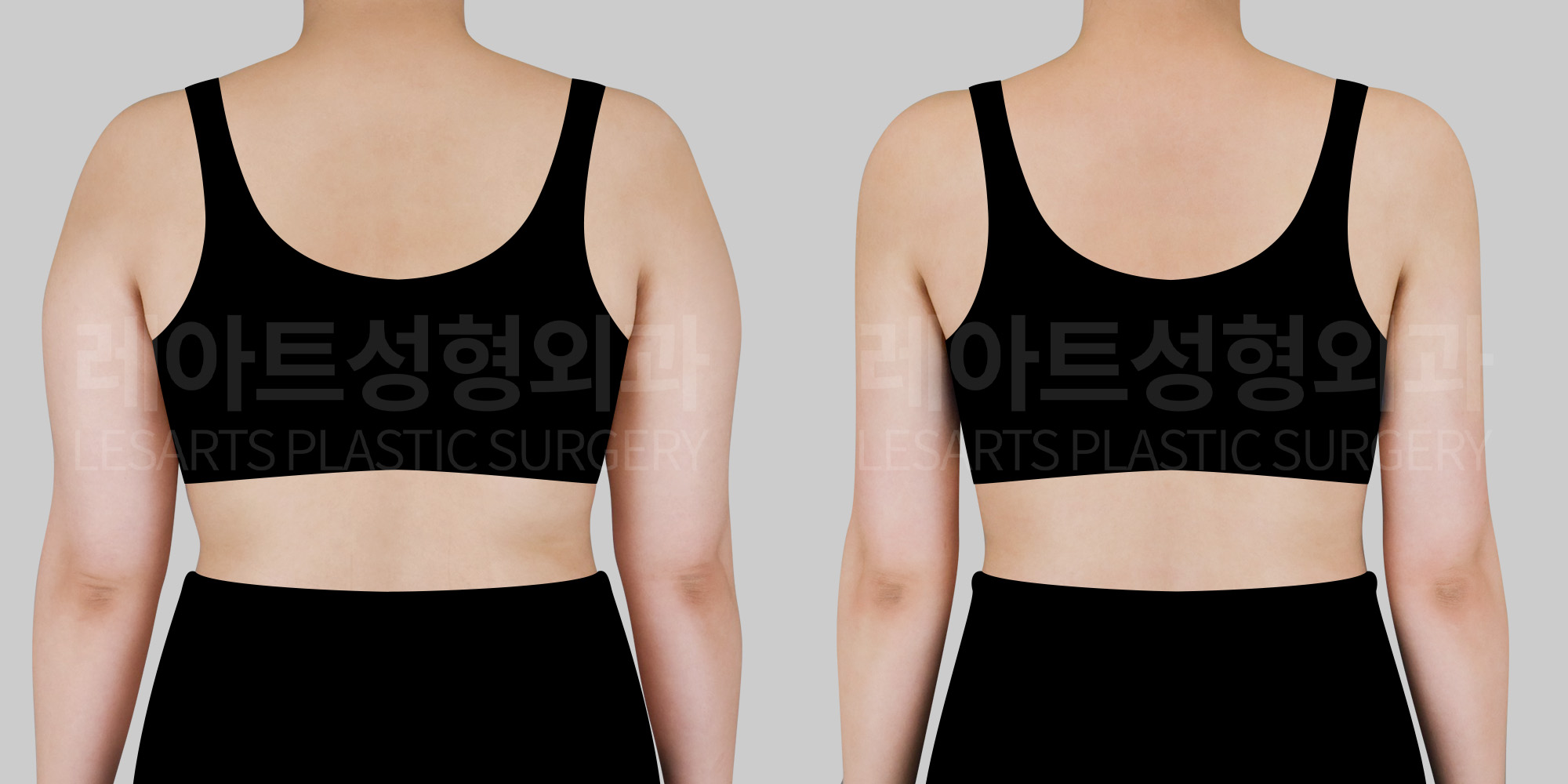
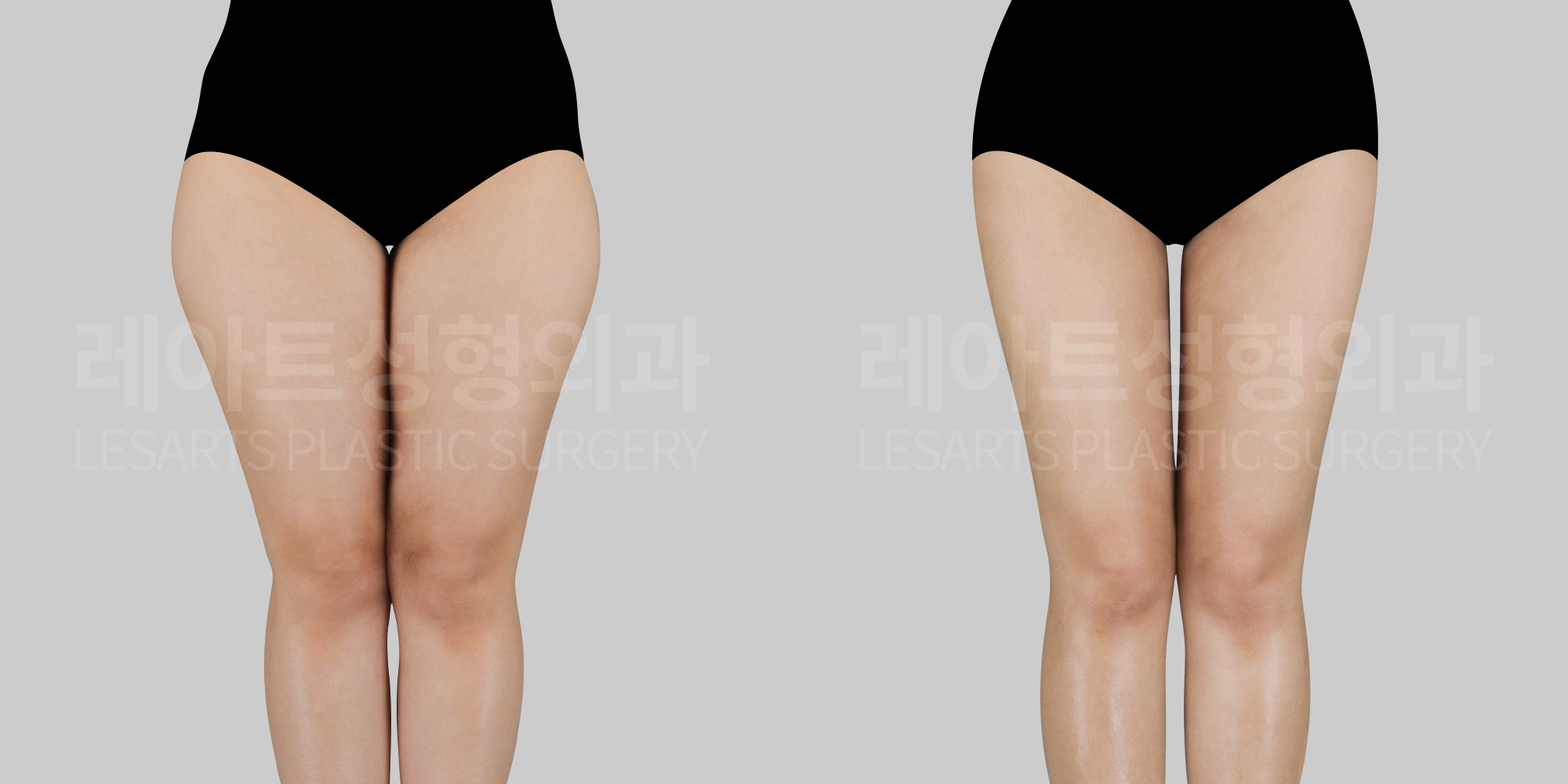
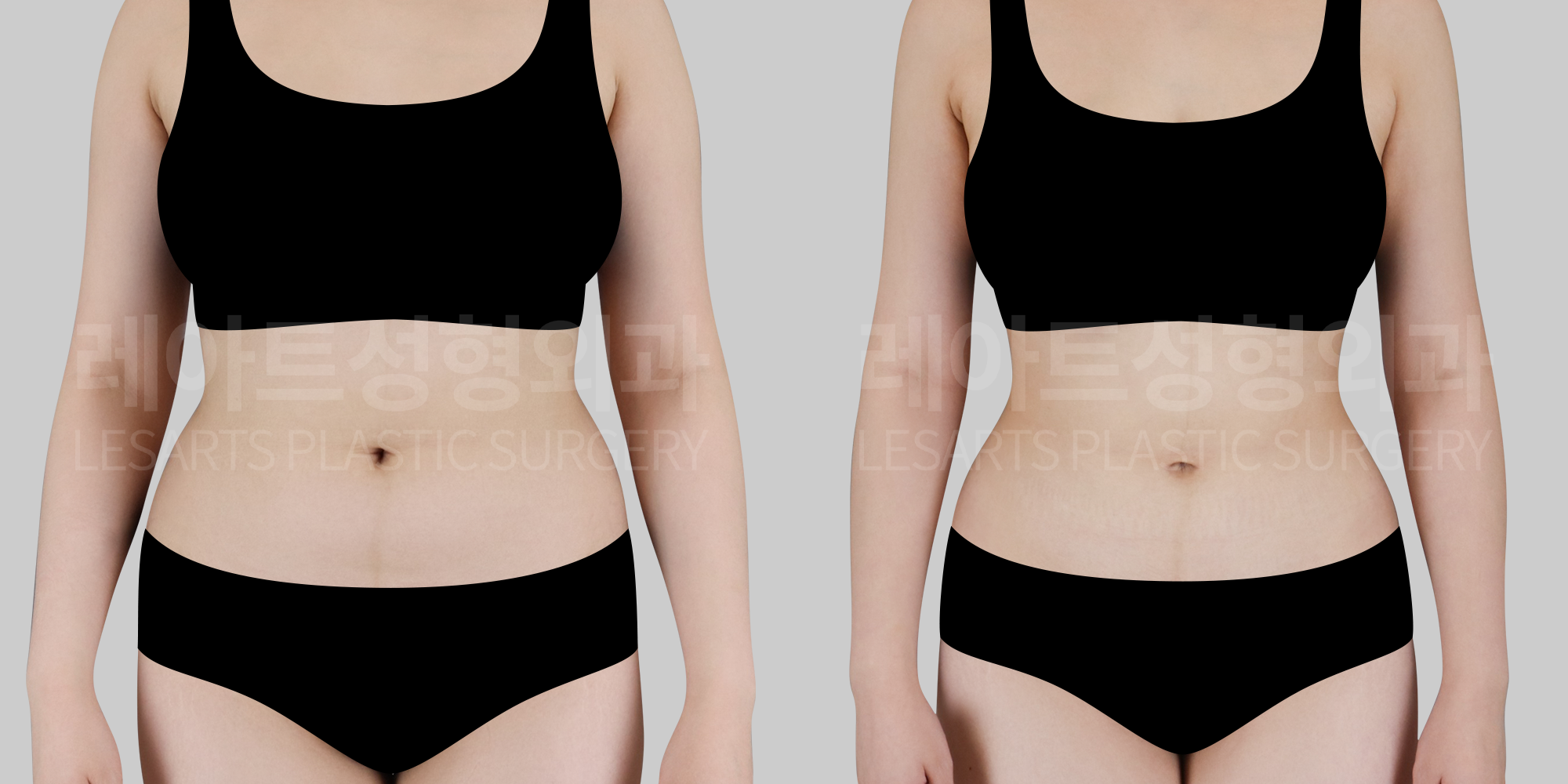
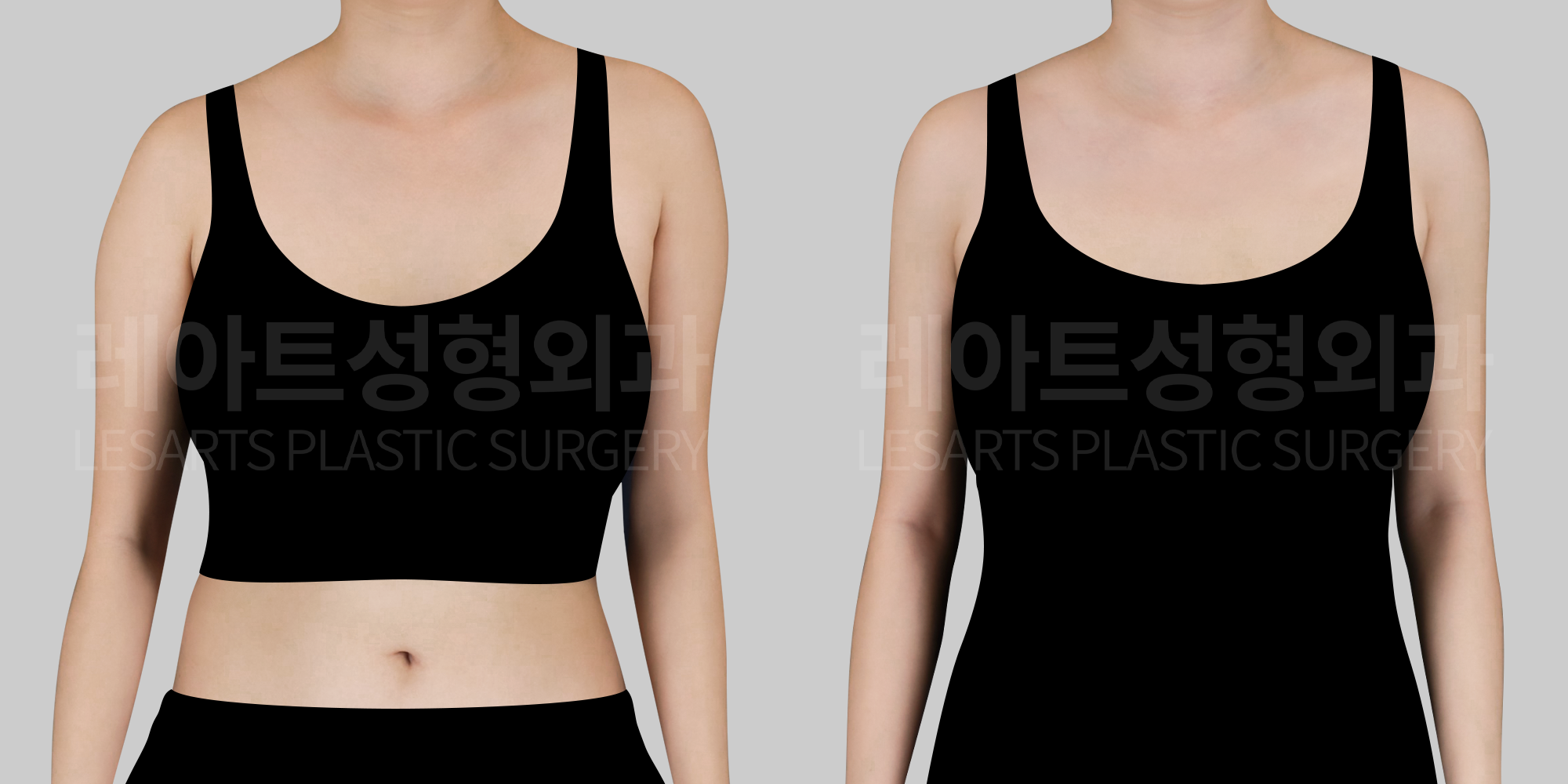
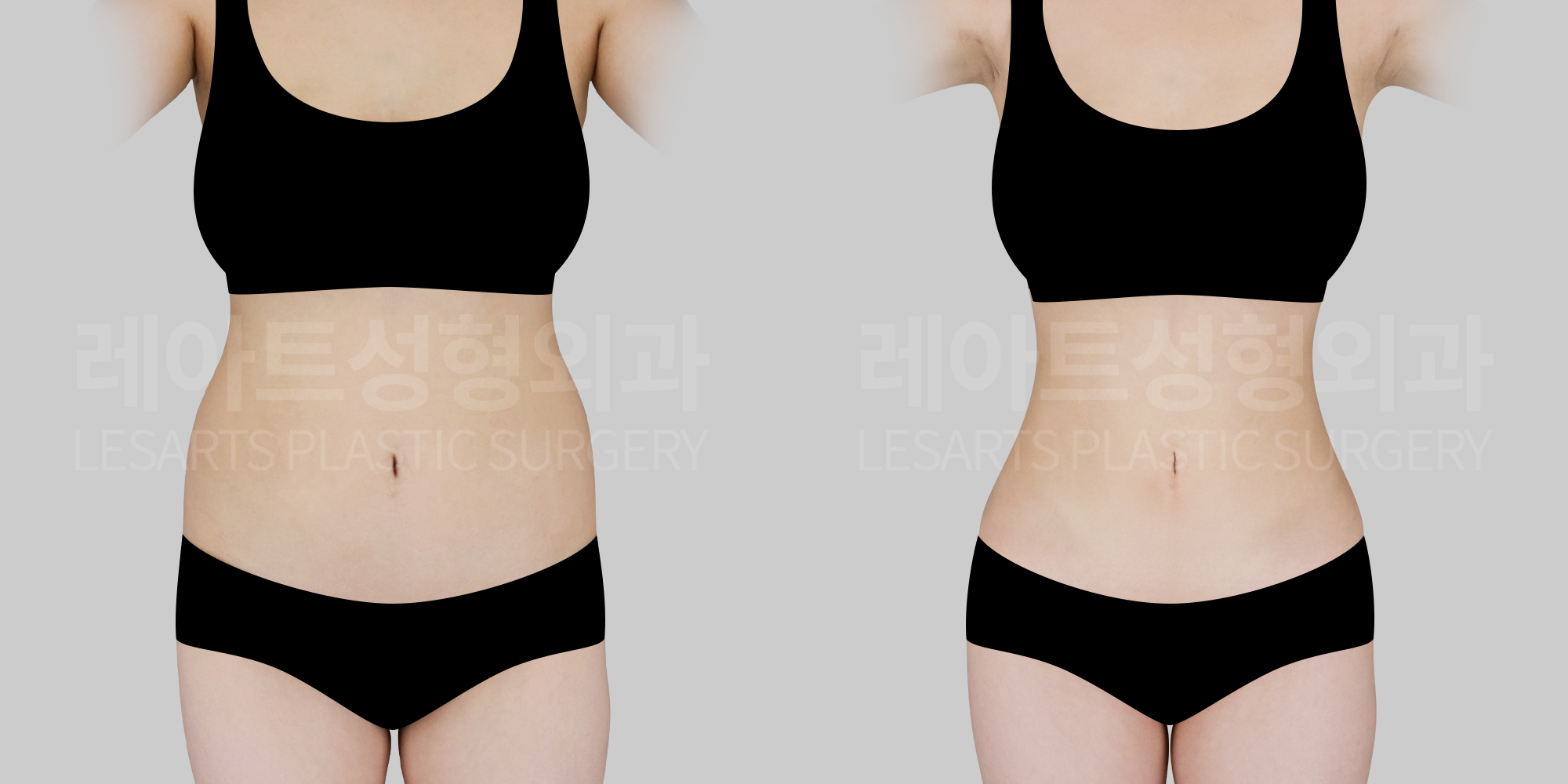
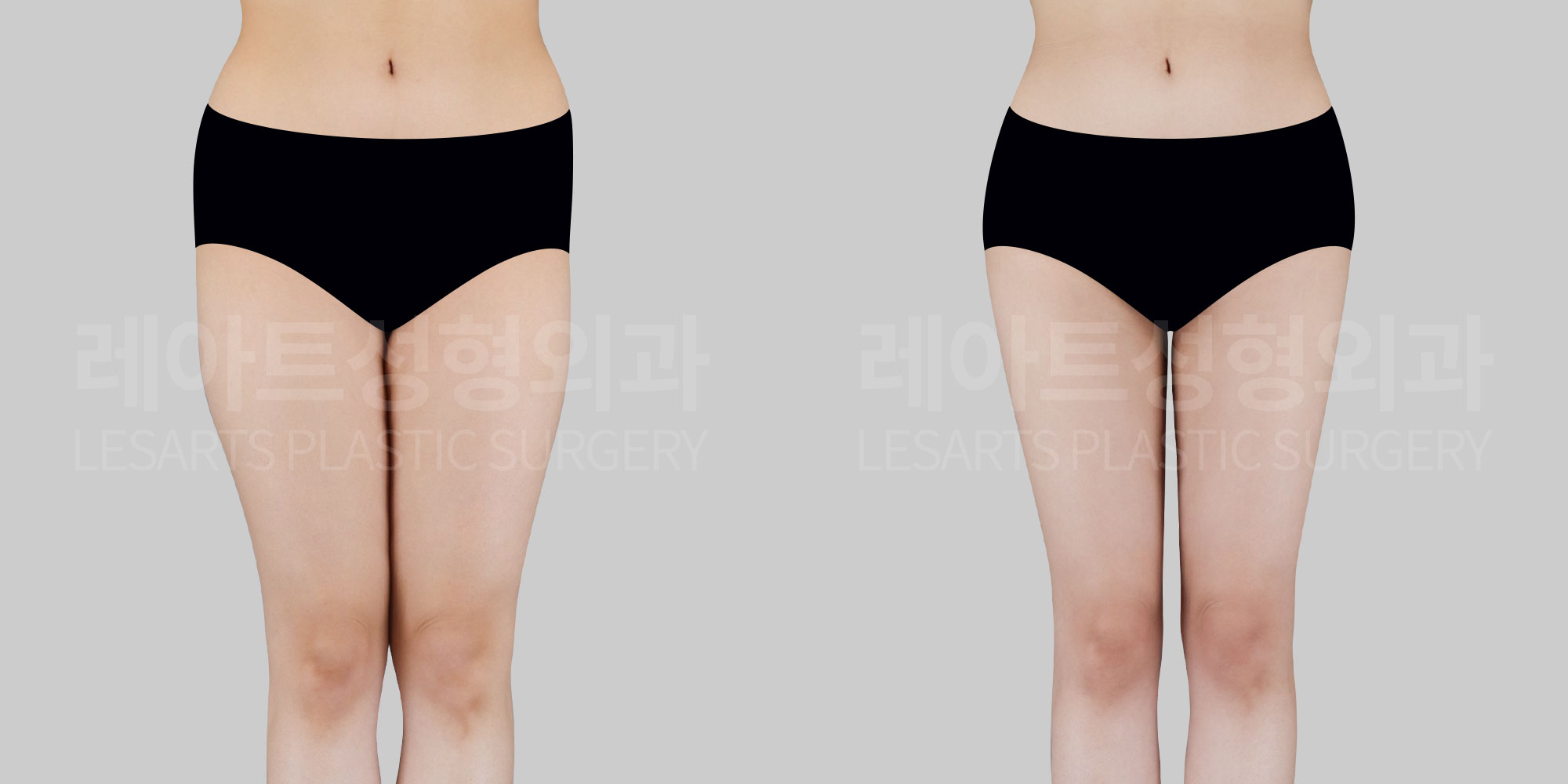
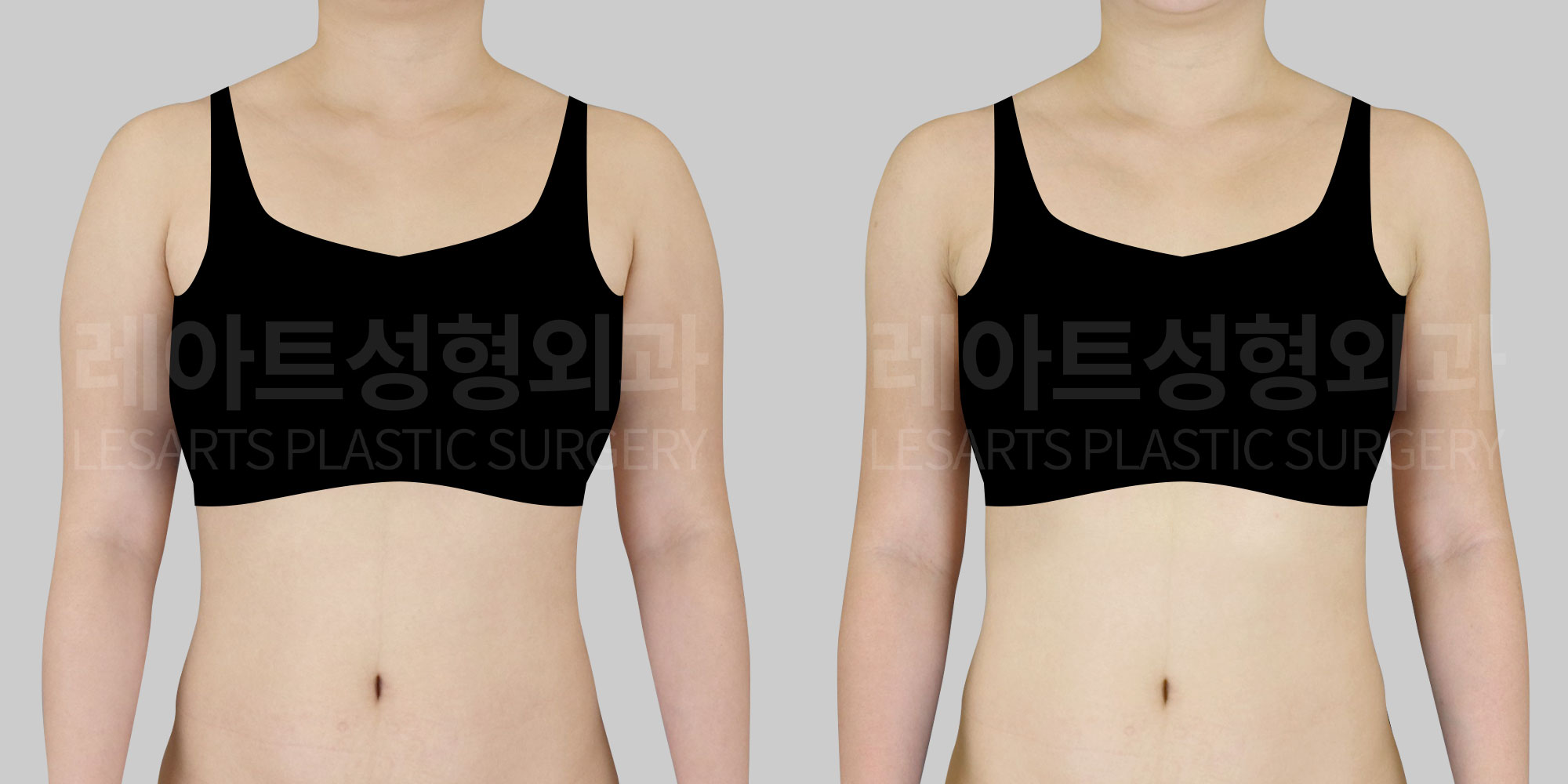
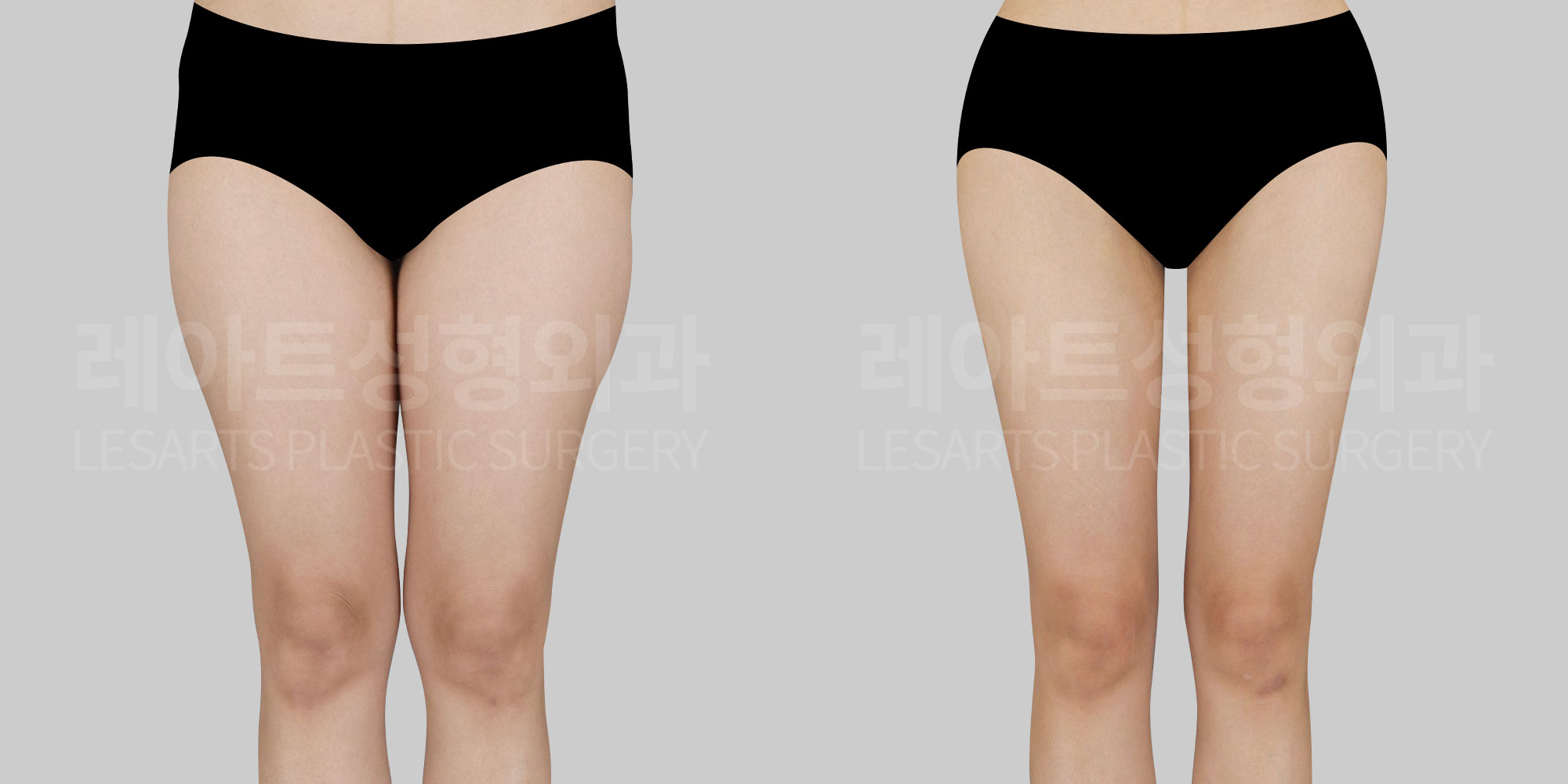
[Lower-body liposuction before-and-after comparison]
(Photos taken three months after surgery
under the same lighting and environment)
“Finding the hidden line in a bulky-looking lower body.”
Before surgery, despite having a slim upper body,
the patient’s saddlebags spread widely below the pelvis,
making the legs appear shorter
and giving a heavy, bulky impression.