[Abdominoplasty] Skin indentation from cesarean scar improved with abdominoplasty
Hello, this is Dr. Kukhan Lee,
board-certified plastic surgeon at Lesarts Plastic Surgery.
After a Cesarean section,
the remaining scar may not
appear severely visible externally.
However, the scar area
can create noticeable
skin indentation and unevenness.
This subtle contour difference
often becomes a persistent concern.
When the C-section scar
is positioned relatively high,
the indentation may even
be visible above
the underwear line.
Today, we will review
a case involving
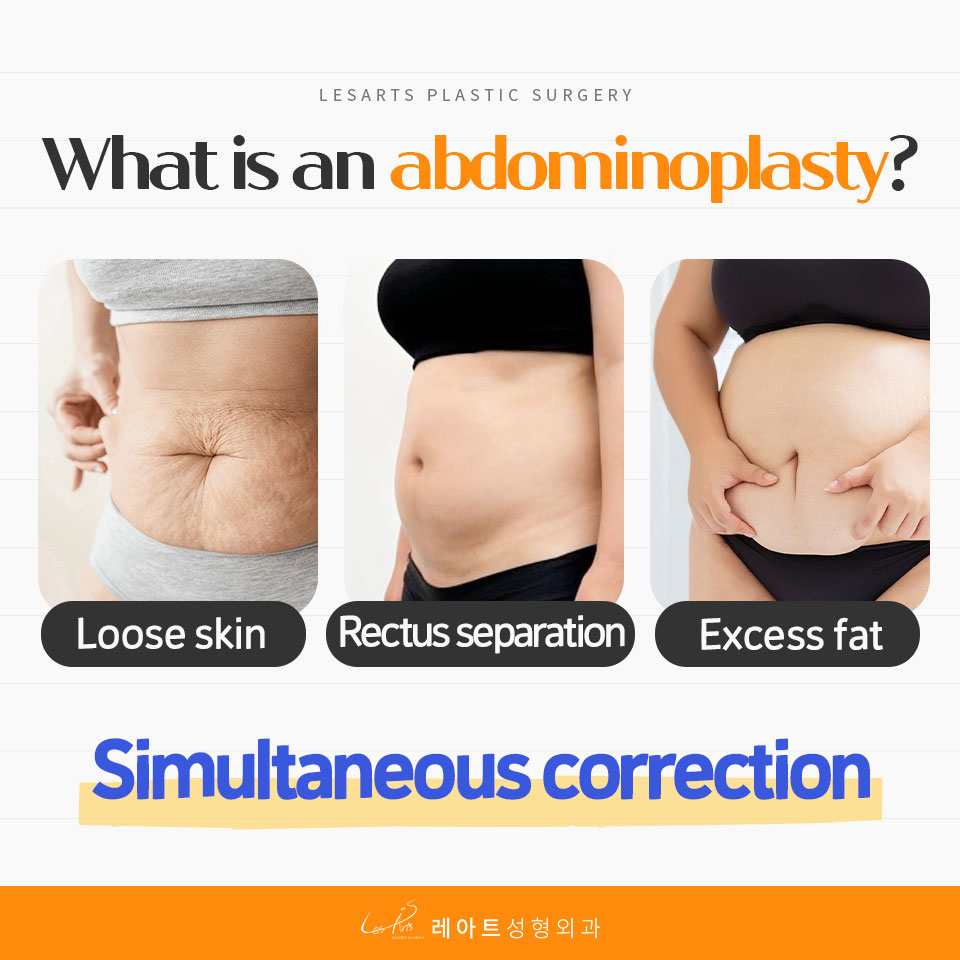
overall abdominal skin laxity,
rectus diastasis,
and contour irregularity caused
by a previous Cesarean scar.
Preoperative Condition Check Before Abdominoplasty Surgery
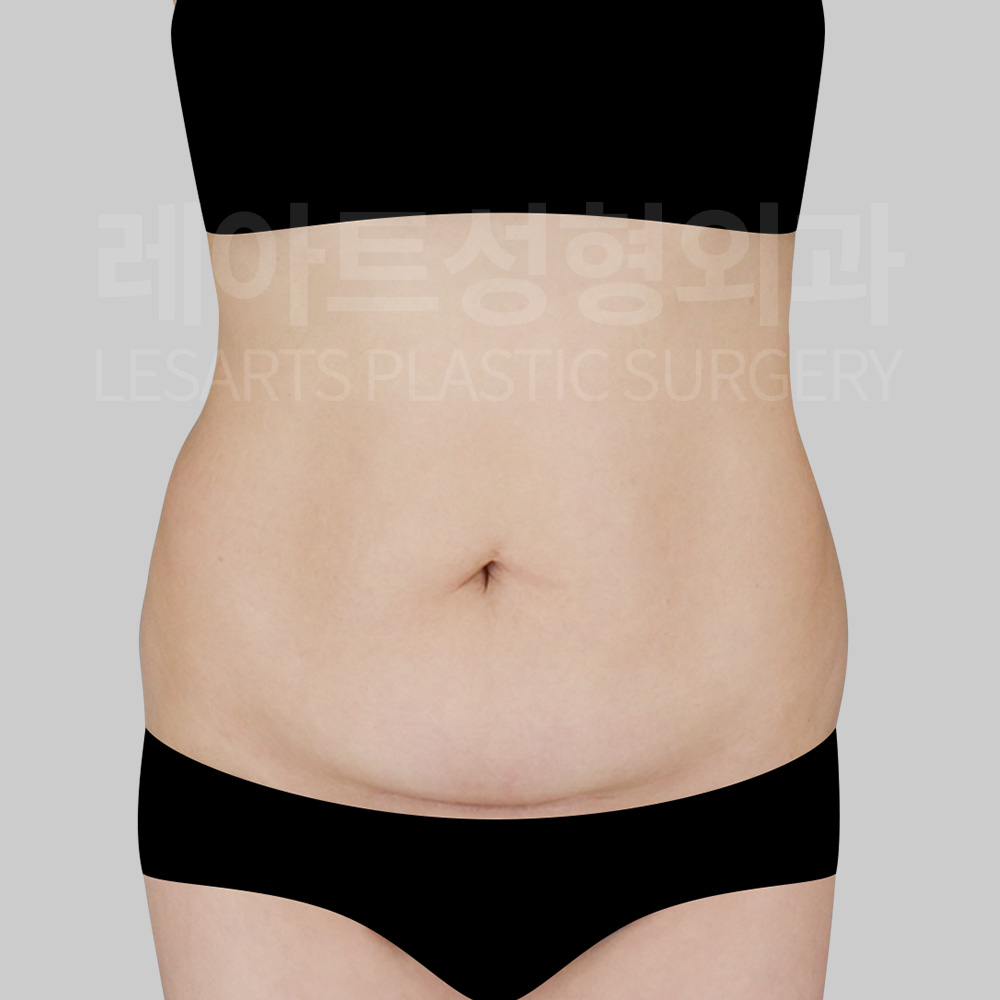
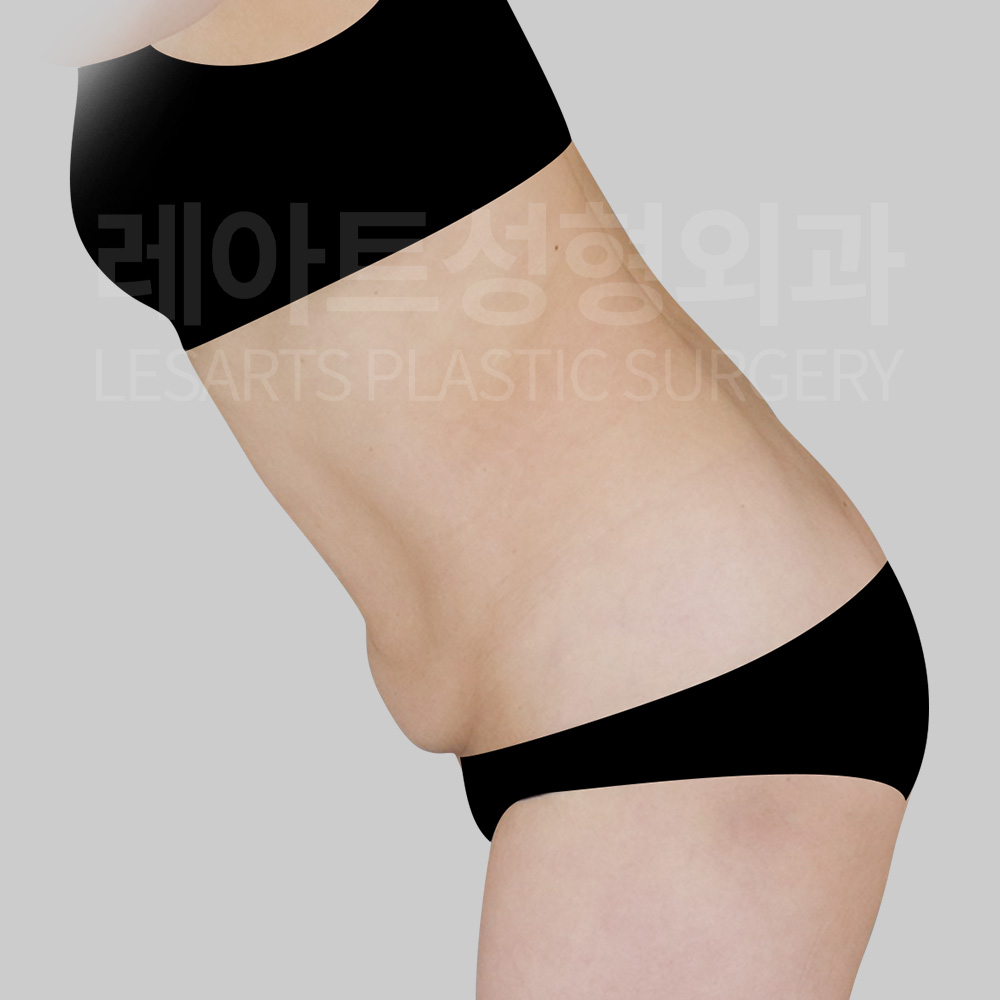
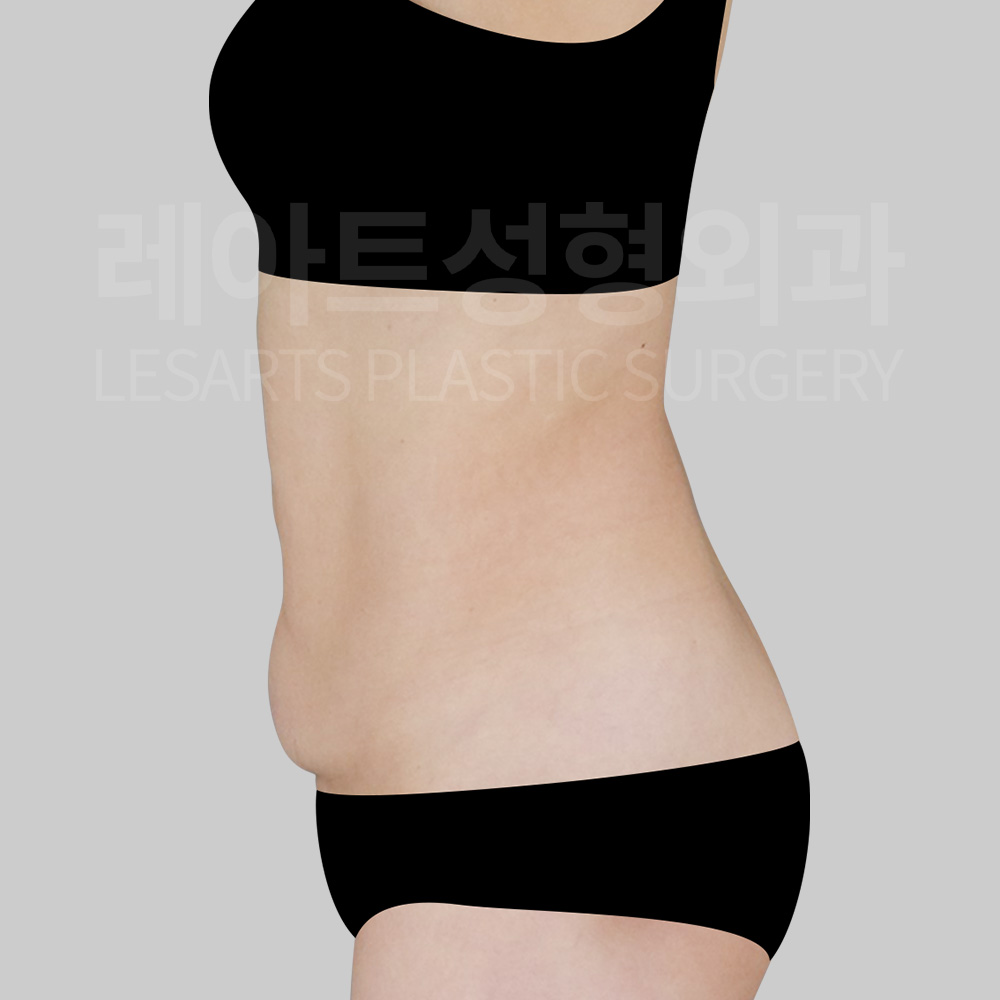
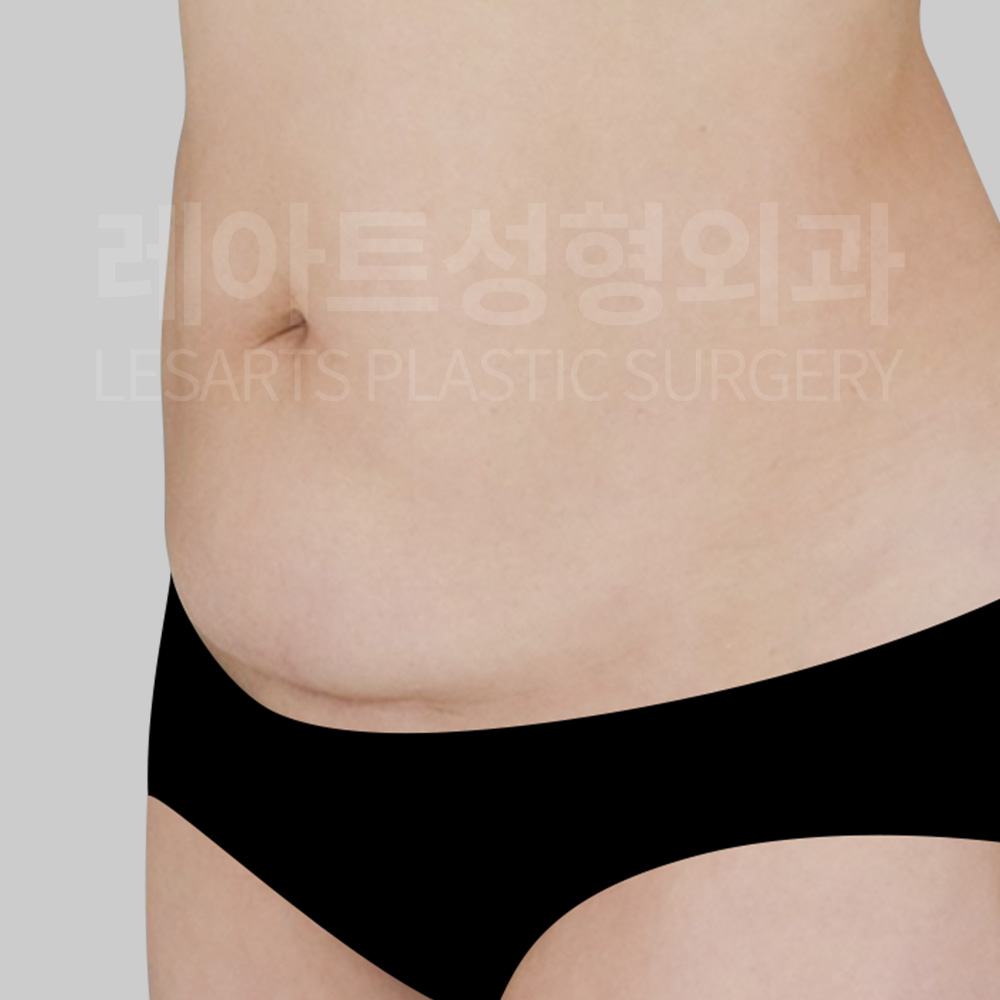
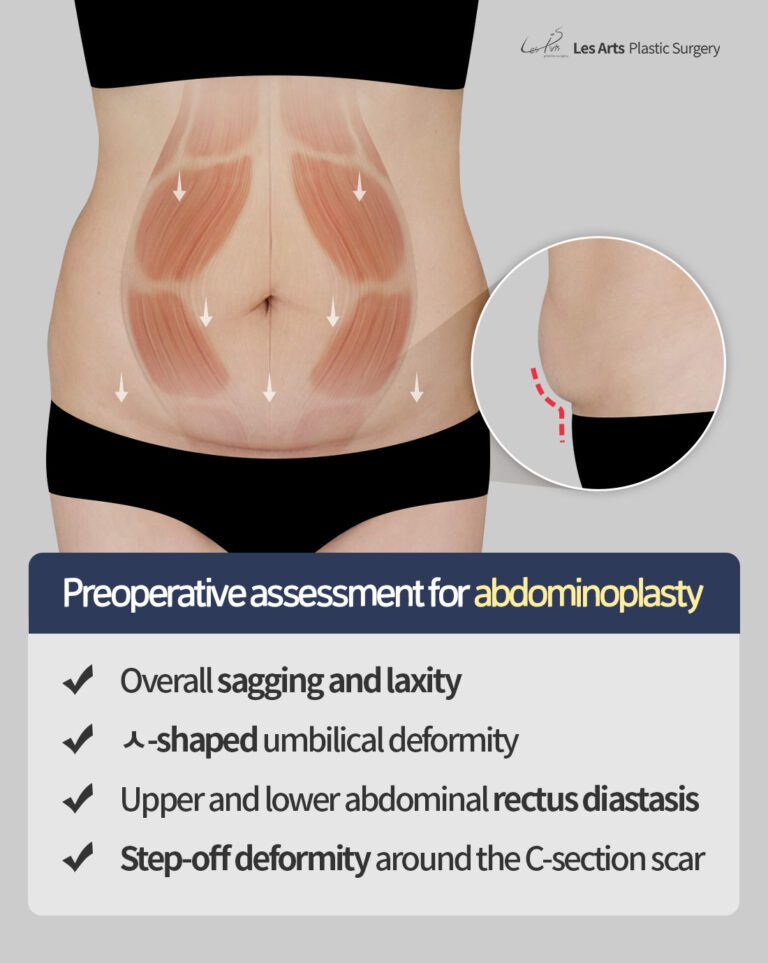
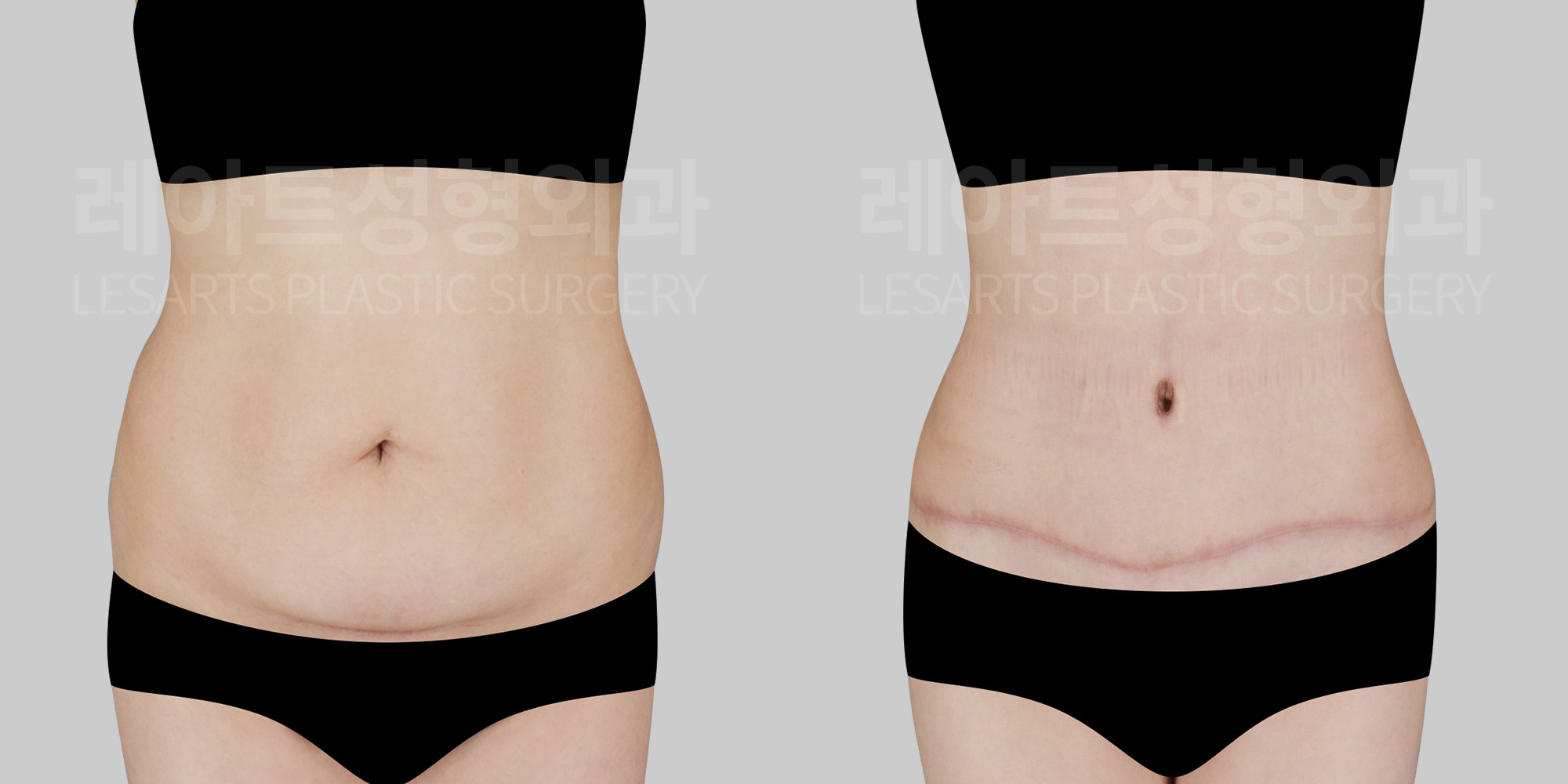
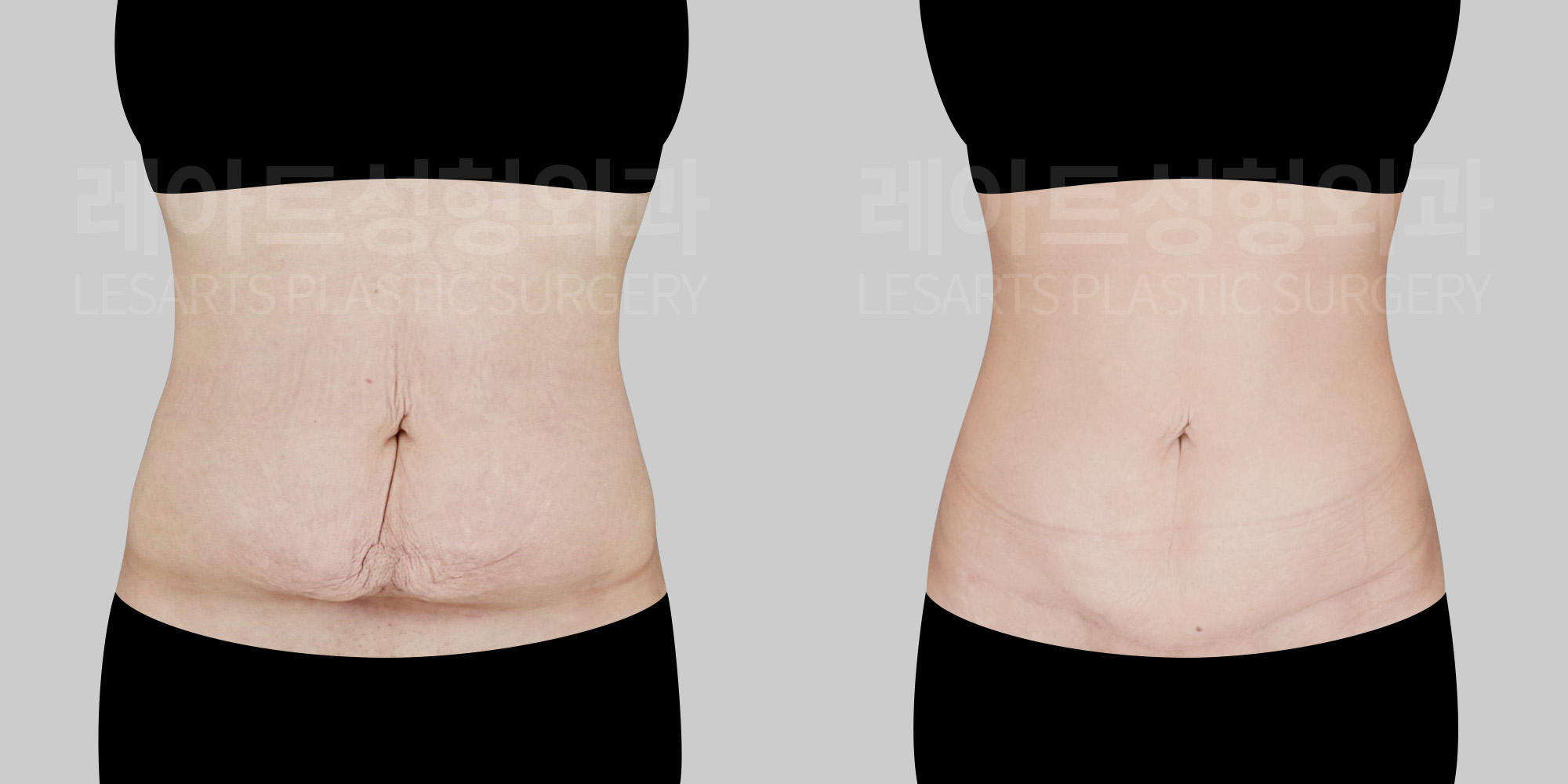
On preoperative evaluation,
both the upper and lower abdomen
showed visible skin laxity.
Sagging was observed
around the umbilical area,
extending across the entire abdomen.
The condition of the
upper abdominal skin
can often be inferred
by examining the
shape of the umbilicus.
If the navel appears
horizontally stretched
or distorted into
an “S-shaped” form,
it suggests that
the upper abdominal skin
is being pulled downward.
Cesarean Scar Position and Skin Indentation Doctor’s Note – Dr. Kukhan Lee
The patient also presented
with lower abdominal laxity.
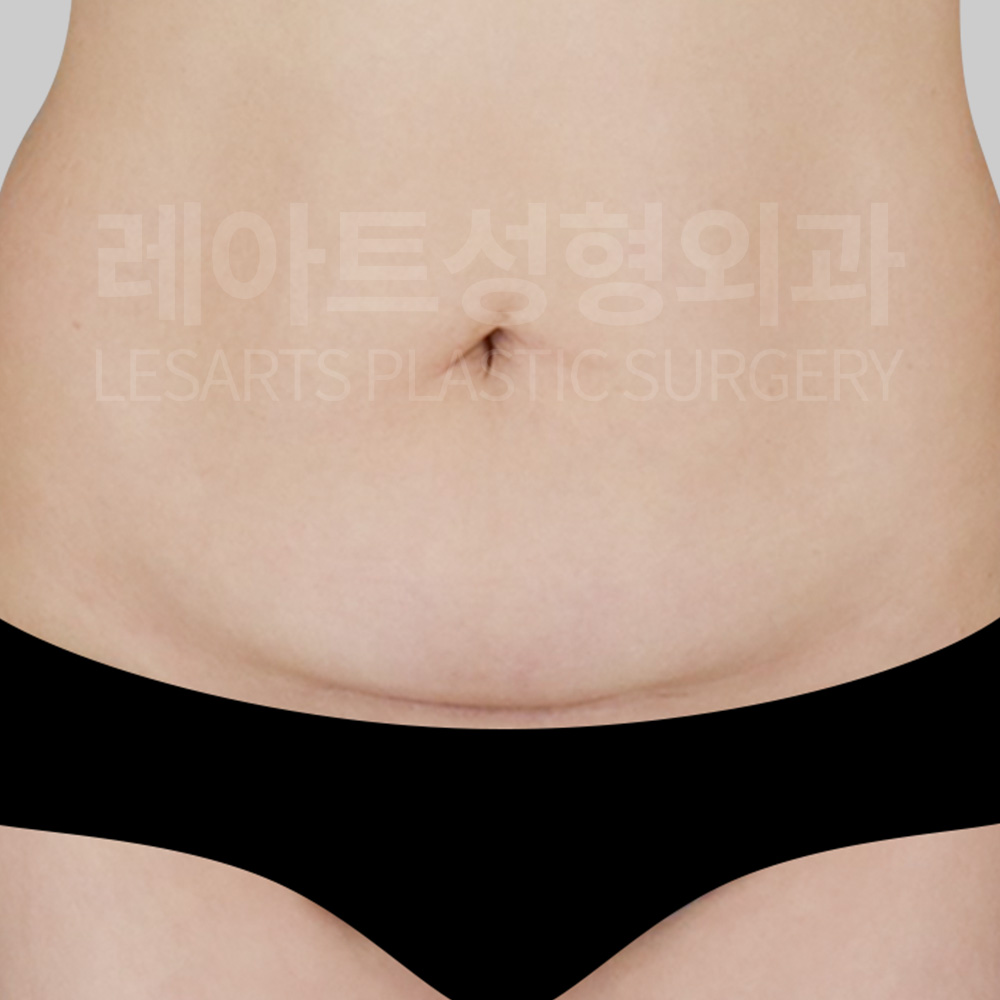
The Cesarean scar
was positioned relatively high
on the lower abdomen.
Adhesion had formed
along the upper portion
of the scar line.
As a result,
the lower abdominal skin
became tethered above the scar,
creating a distinct
and visible skin indentation.
Although she had delivered once,
rectus diastasis was palpated
in both upper and lower abdomen.
There was also
overall reduced skin elasticity
throughout the abdominal wall.
In cases where concerns
are this multifactorial,
the abdominoplasty plan
is tailored according to
the area that
the patient finds
most distressing.
Diagnostic Conclusion for Abdominoplasty
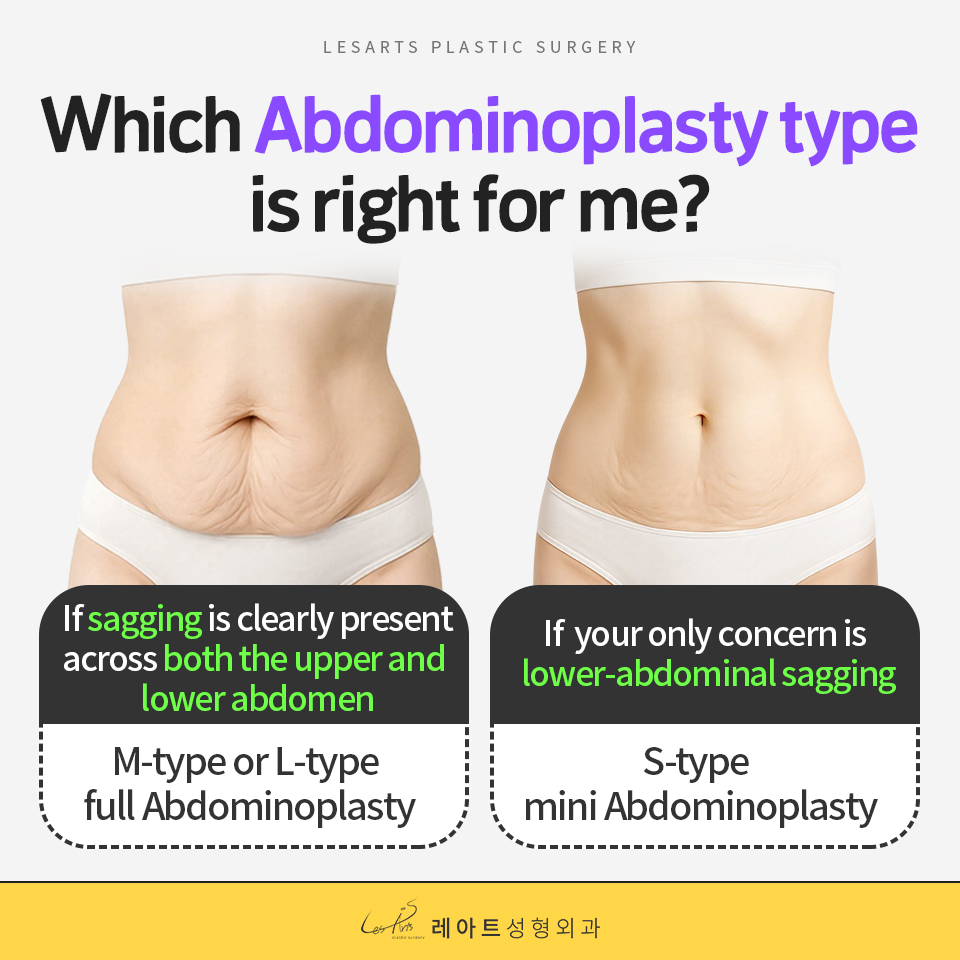
If upper abdominal sagging
or changes in umbilical shape
are not major concerns,
an S-type abdominoplasty
can be considered.
This approach removes
the existing Cesarean scar
and lowers its position.
On the other hand,
if the patient desires
correction of upper abdominal laxity,
overall abdominal skin tightening,
and improvement in
the umbilical contour,
then an M-type abdominoplasty
may be more appropriate.
As explained in prior cases,
the M-type procedure
may require a relatively
longer incision length.
For this reason,
the advantages and limitations
of each technique
must be thoroughly discussed
before making a decision.
Surgical planning is ultimately
guided by the area
the patient most wishes to improve.
In this case, the patient desired
comprehensive skin laxity correction
along with improvement
of the umbilical shape.
Therefore, an M-type abdominoplasty
was performed in combination
with abdominal liposuction.
Let us now review
the progress at approximately
5 months post-surgery.
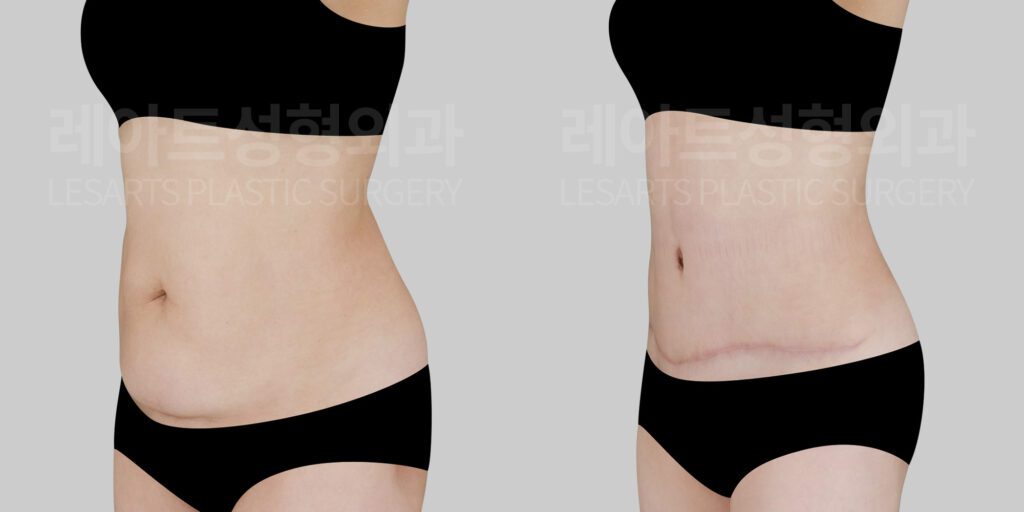
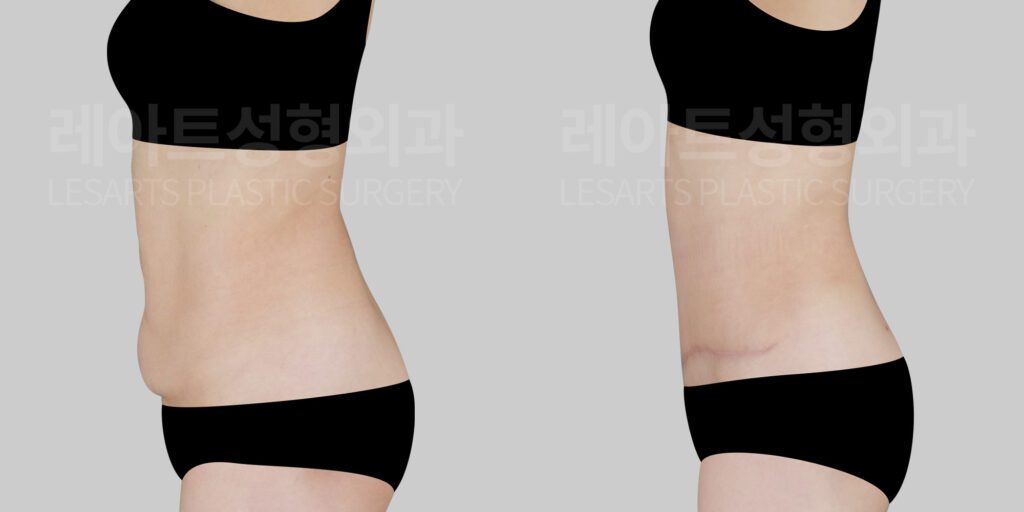
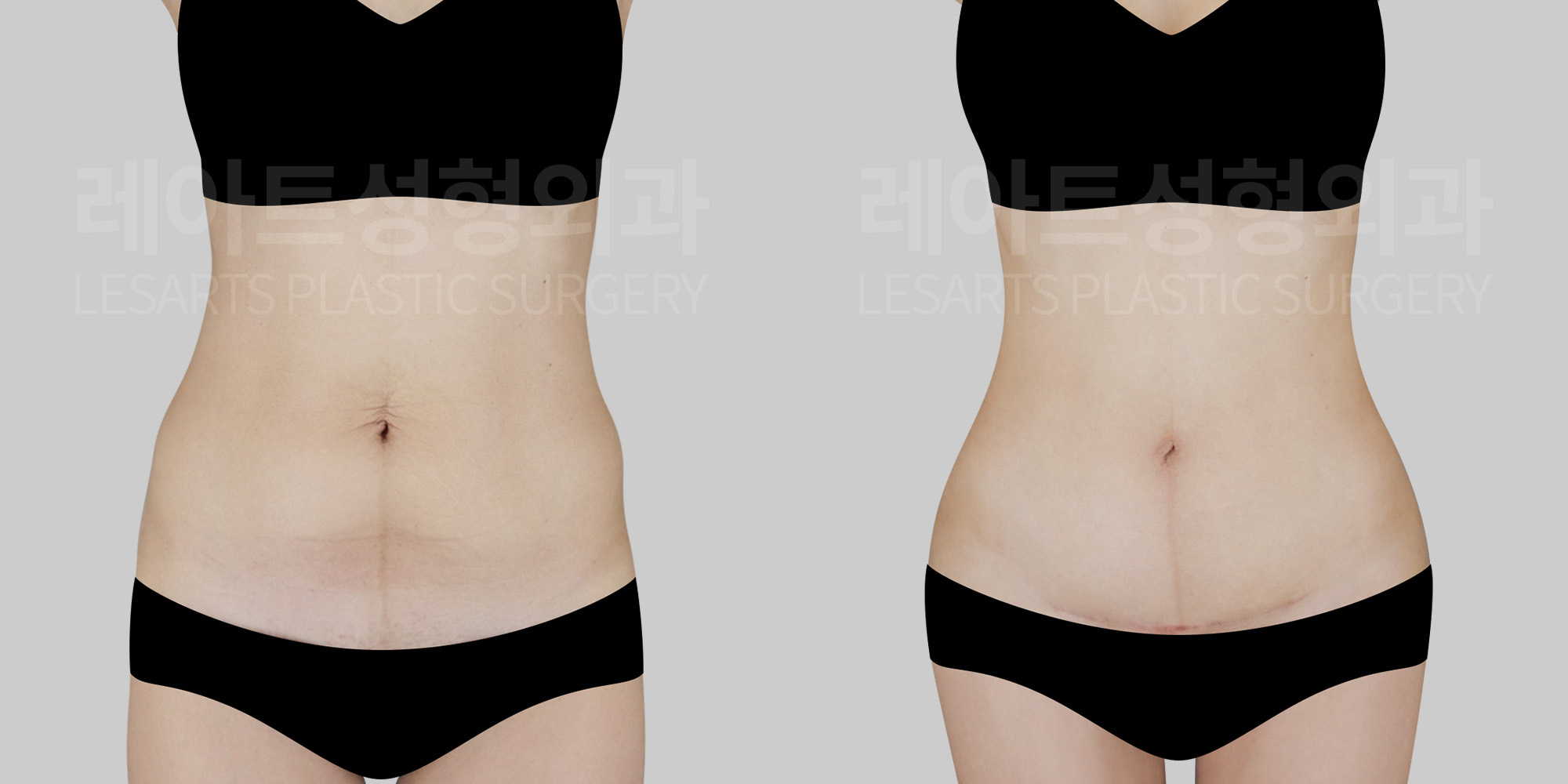
Before and After Differences Abdominoplasty Results Lesarts Plastic Surgery – Dr. Kukhan Lee
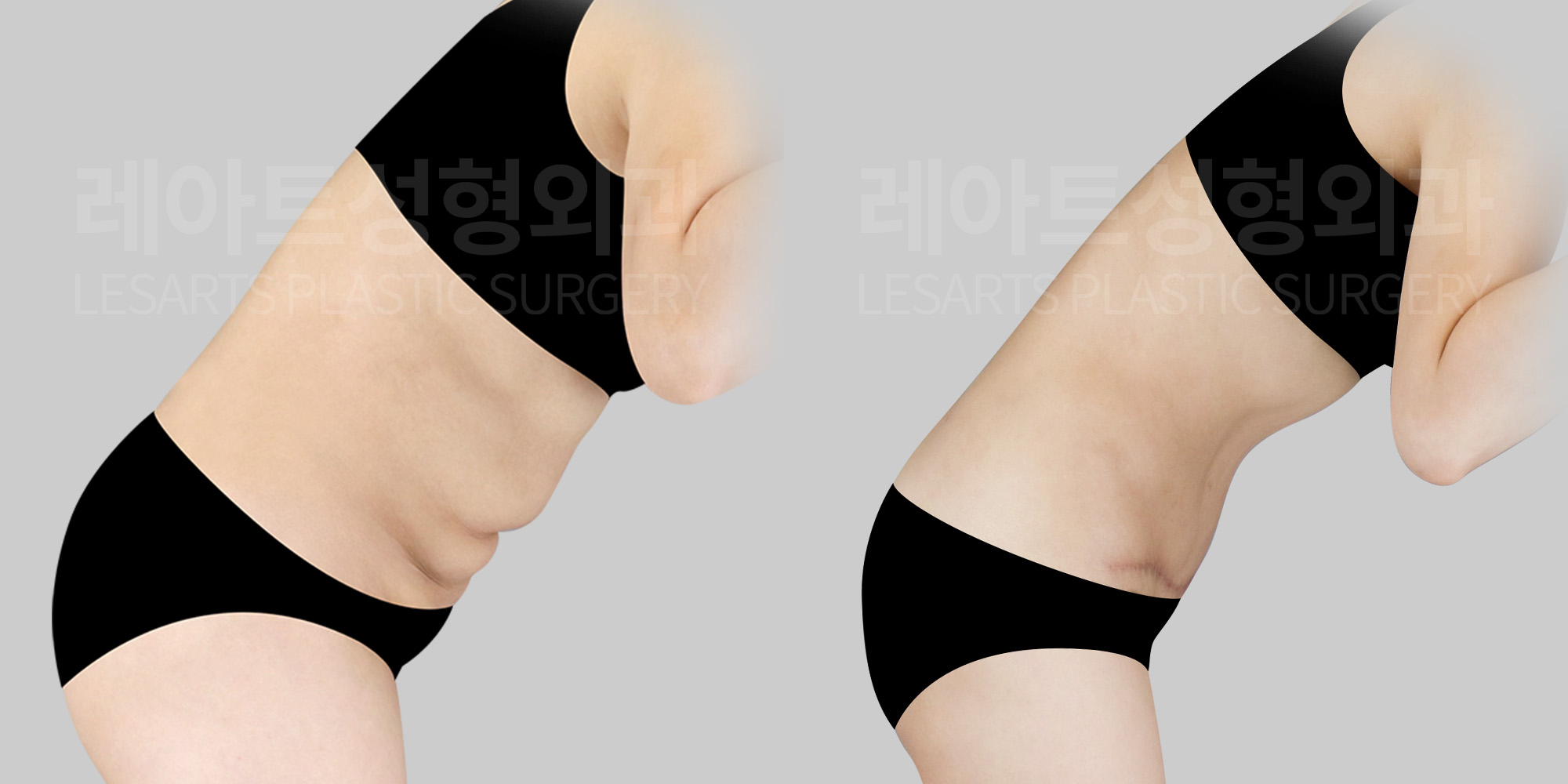
With liposuction performed together,
the overall body contour
appears noticeably smoother
and more naturally refined.
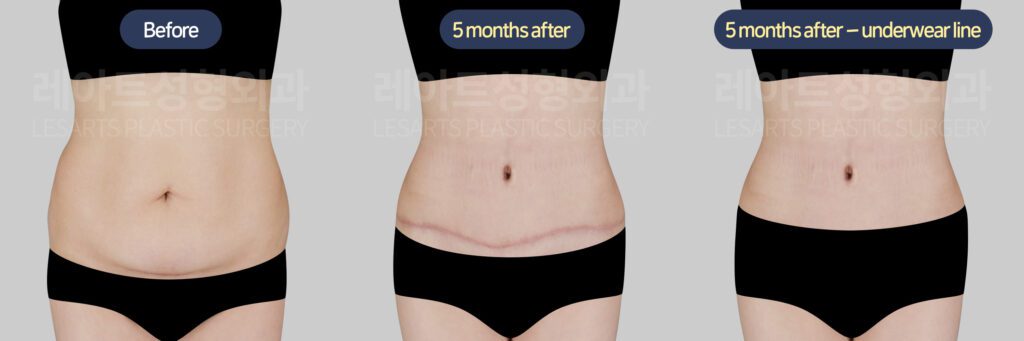
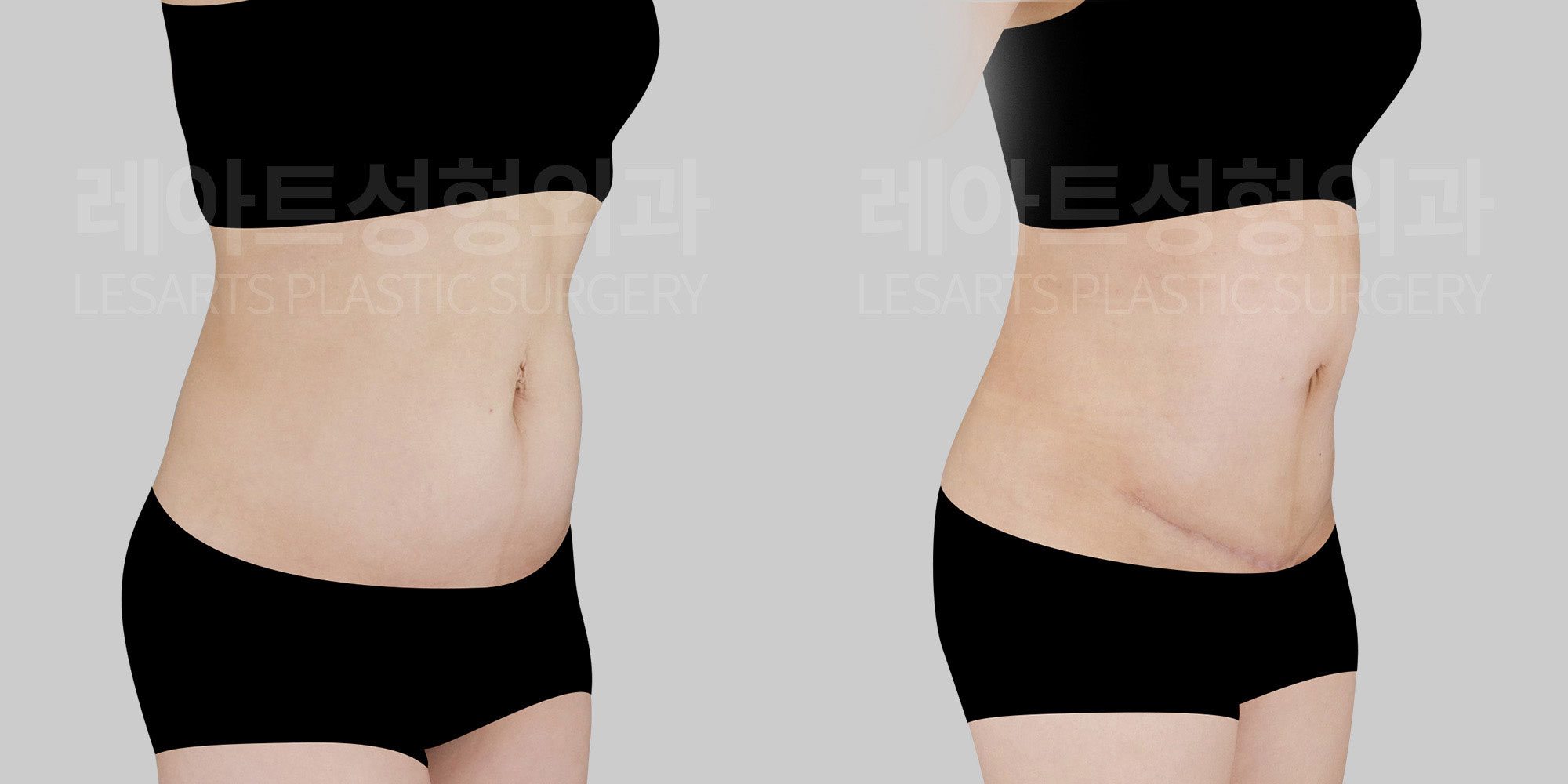
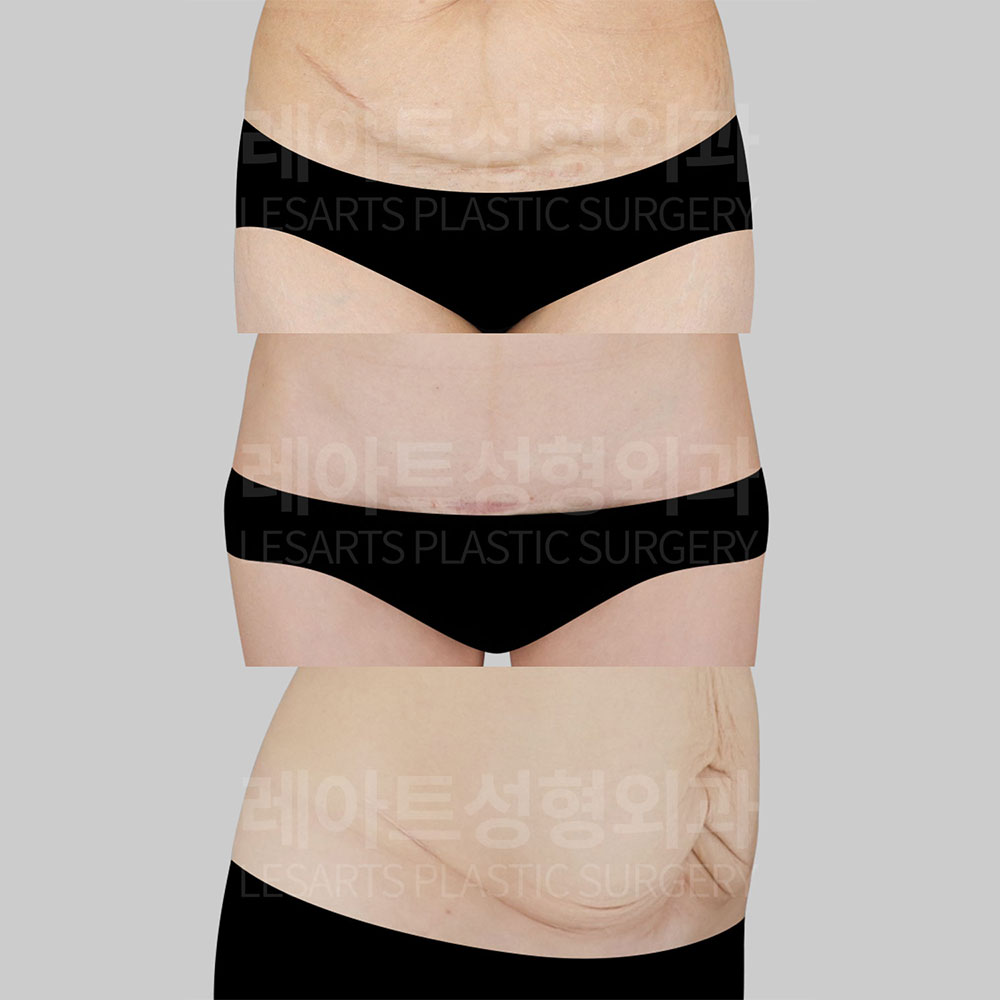
Abdominoplasty Scar Position Lesarts Plastic Surgery – Dr. Kukhan Lee
Because an M-type abdominoplasty
was performed in this case,
the incision line
became relatively longer.
However, it was created
along a position similar
to the previous Cesarean scar.
Therefore, the scar remains
within a range that can
be sufficiently concealed
under standard underwear.
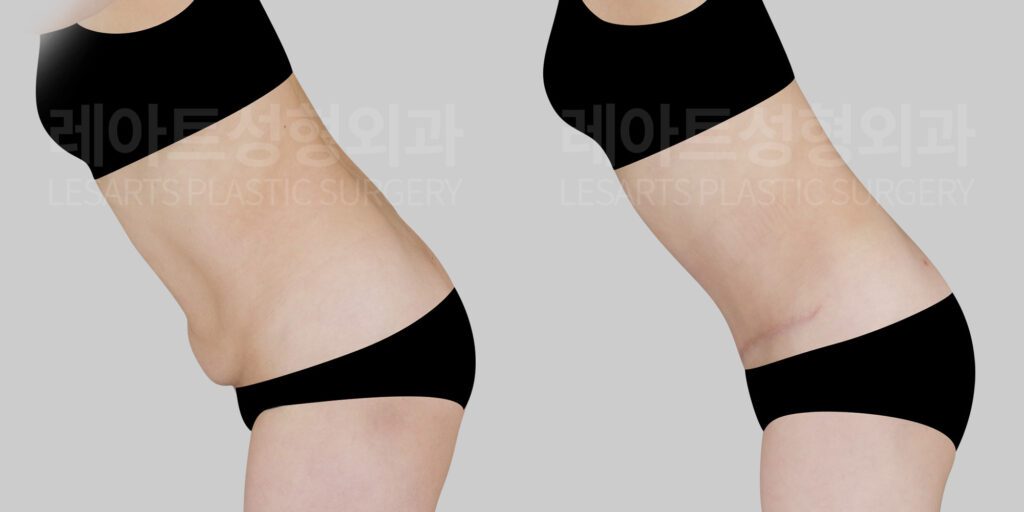
Improvement of Cesarean Scar Indentation with Abdominoplasty Lesarts Plastic Surgery – Dr. Kukhan Lee
Full Abdominoplasty with Rectus Repair Before and After Differences Lesarts Plastic Surgery – Dr. Kukhan Lee
With removal of the previous
Cesarean section scar,
the visible skin indentation
around the incision line
was simultaneously improved.
As a result,
the lower abdomen
now appears noticeably
flatter and more even.
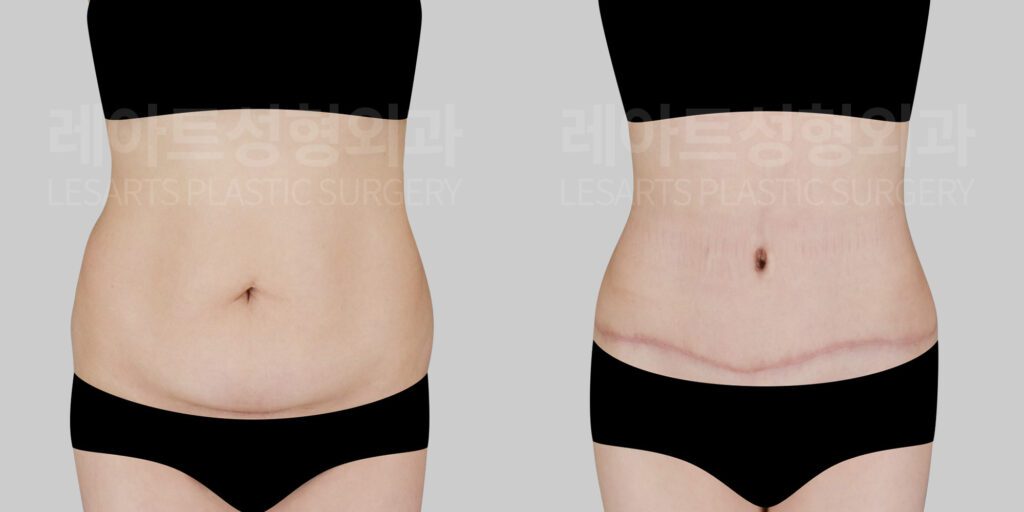
Abdominoplasty Results and Improvements Lesarts Plastic Surgery – Dr. Kukhan Lee
The umbilical shape
was refined into a vertically
oriented form,
which is generally
the most preferred contour.
Although it has not yet
reached 5 months postoperatively,
mild periumbilical pigmentation
is still partially visible.
This is expected
to gradually improve
and normalize over time.
In most cases,
abdominoplasty scars
appear most noticeable
around 3 to 4 months
after surgery.
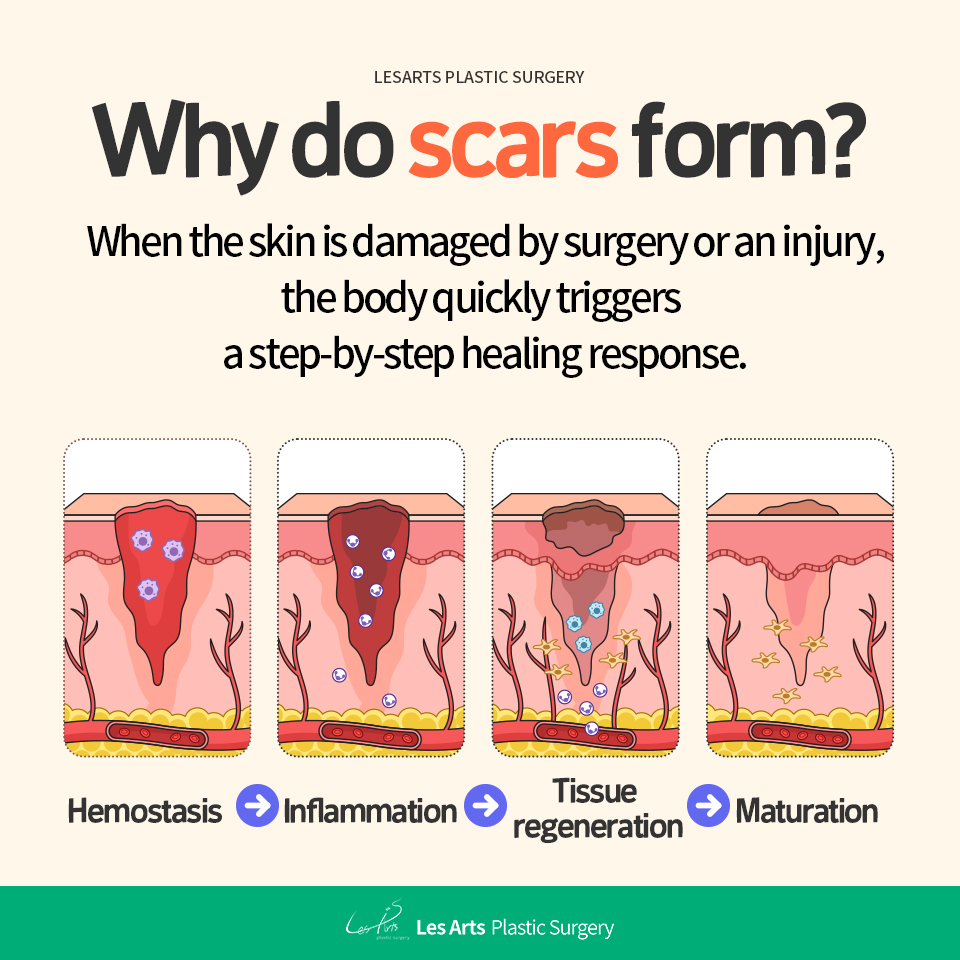
With consistent scar management,
the incision line gradually fades
and becomes more stable.
For patients concerned about
postpartum abdominal laxity
and indentation from
a prior Cesarean scar,
we hope this case
serves as a helpful reference
before consultation.
However, abdominal conditions
and body types vary significantly
between individuals.
For an accurate diagnosis
and personalized surgical plan,
we recommend an in-person
evaluation and detailed consultation.